
.jpg)
.jpg)

.jpg)



Is Your Child Ready to Ditch the Booster Seat?
Car Seats
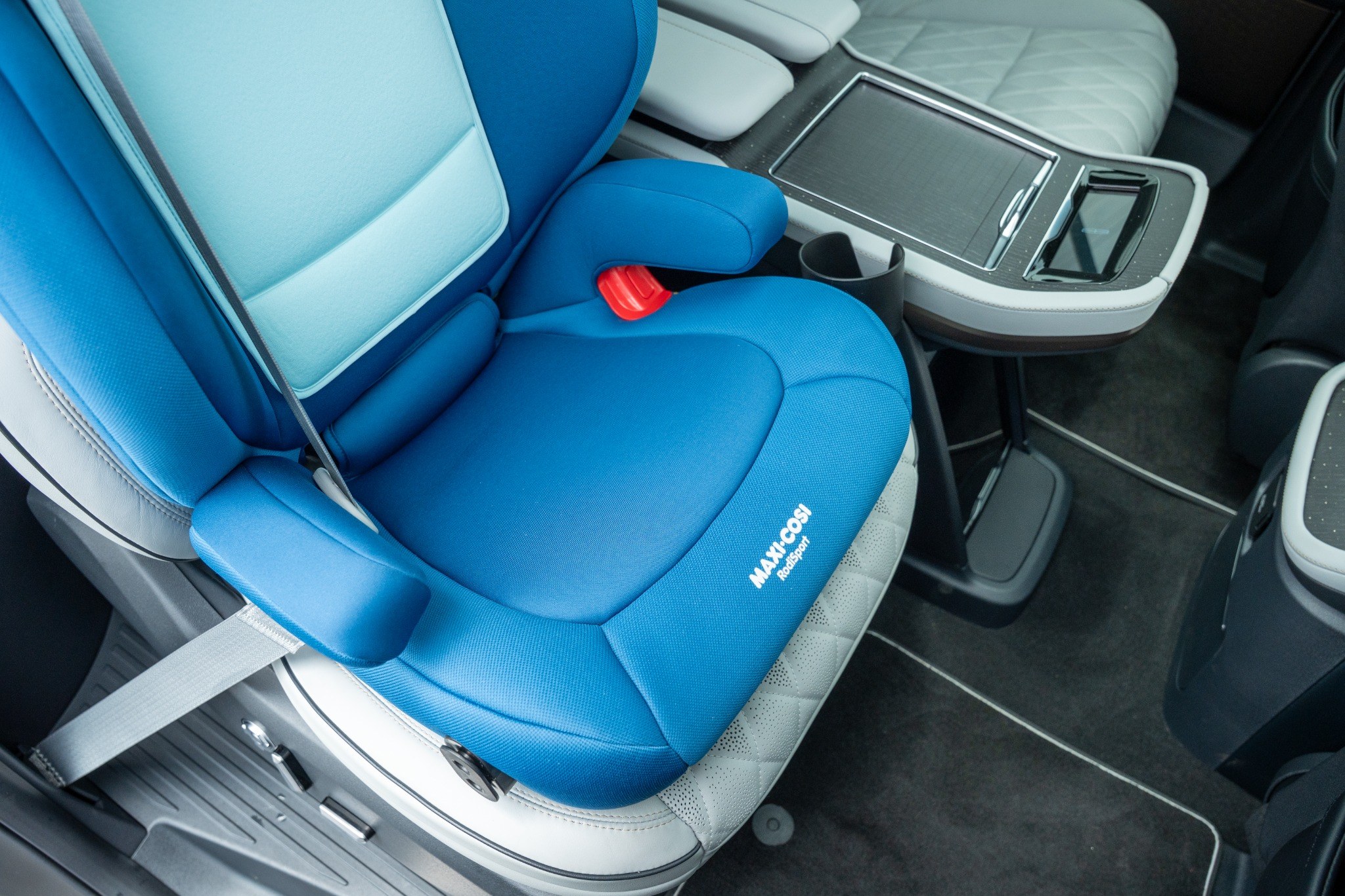
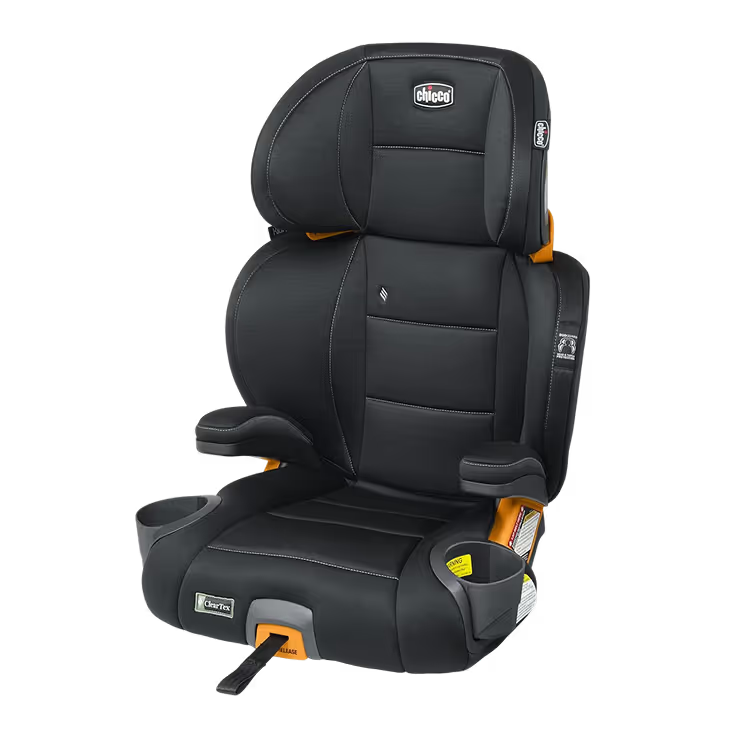
When Can A Child Stop Using A Booster Seat?
Moving your child out of a booster seat and into just a seat belt is a BIG milestone. But honestly? It’s also one of the transitions I see parents rush the most.
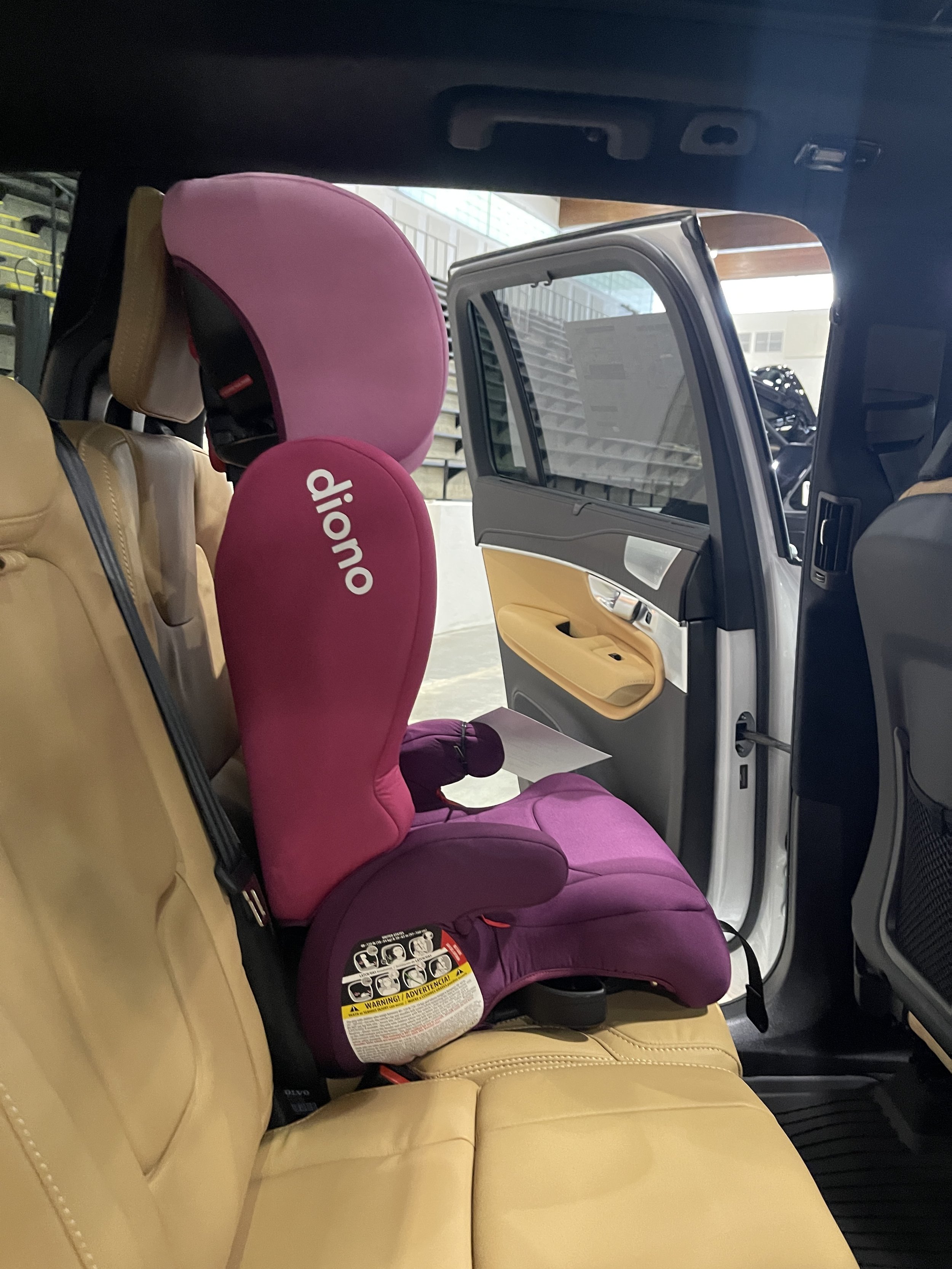
A lot of kids simply do not fit properly in an adult seat belt as early as parents expect, even if they seem “big enough.” Booster seats are designed to help position the seat belt correctly across a child’s smaller body, and transitioning too early can increase the risk of injury during a collision.
So how do you actually know when your child is ready to stop using a booster seat?
Here’s the step-by-step guide I walk parents through.
Quick Answer: When Can Kids Stop Using A Booster Seat?
Children should continue using a booster seat until:
- they are at least 4’9”
- they are between 8–12 years old
- and they pass the 5-Step Seat Belt Fit Test
Even after graduating from a booster seat, kids under 13 should still ride in the back seat.
Step 1: Understand Booster Seat Laws vs. Best Practice
Every state has different booster seat laws, but those laws are often the minimum requirement — not necessarily what’s safest.
The American Academy of Pediatrics (AAP) recommends children remain in a belt-positioning booster seat until:
- they are at least 4’9”
- they are between 8–12 years old
- and they pass the 5-Step Seat Belt Fit Test
And honestly? Many kids do not fit properly in a seat belt until closer to the upper end of that age range.
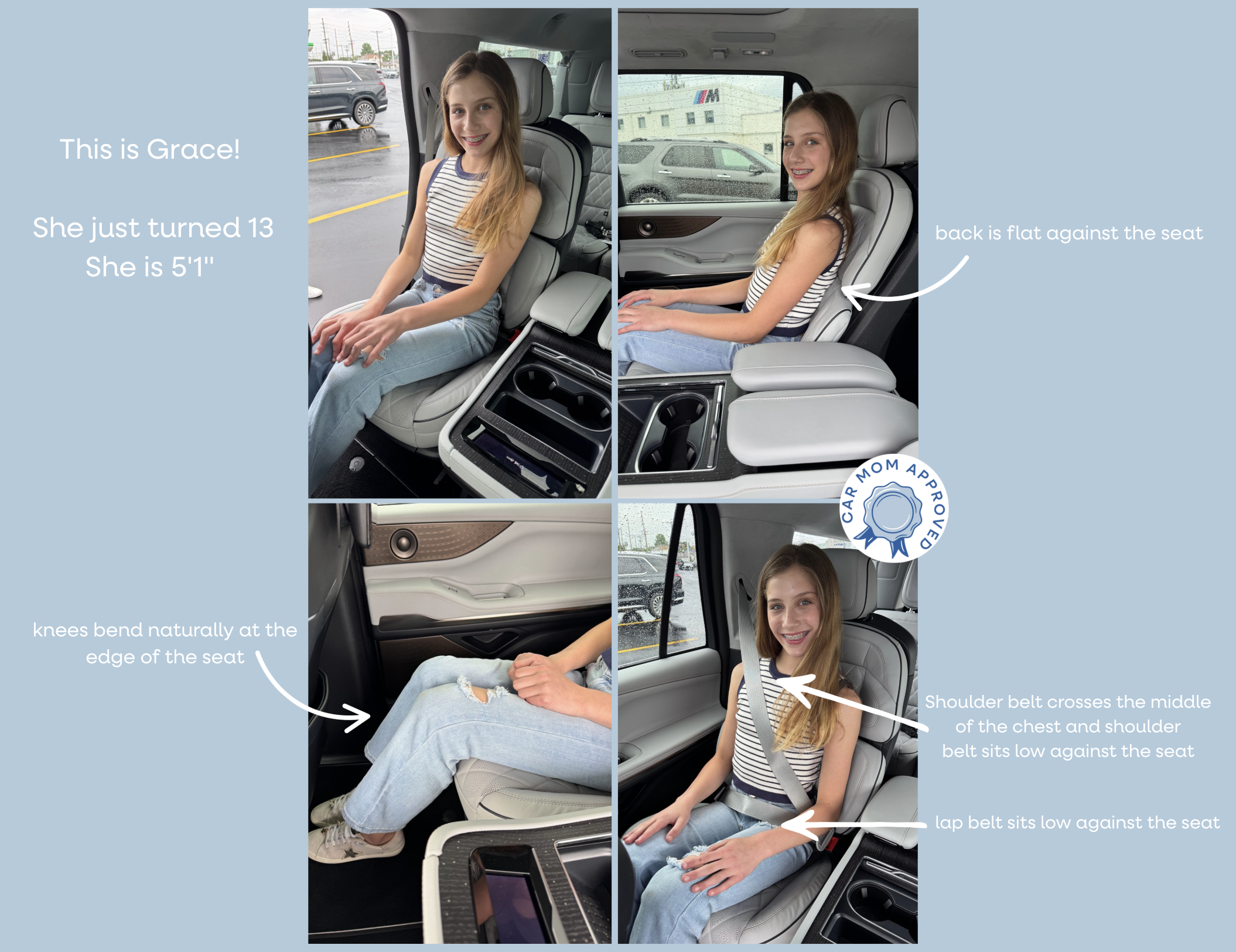
Step 2: Use The 5-Step Seat Belt Fit Test
This is the MOST important step when deciding whether your child is ready to stop using a booster seat.
Have your child sit all the way back against the vehicle seat, then check these five things:
1. Do Their Knees Bend Naturally At The Edge Of The Seat?
Your child should be able to bend their knees comfortably at the edge of the vehicle seat without slouching forward.
2. Is Their Back Flat Against The Vehicle Seat?
They should be able to sit fully back against the seat without leaning forward or scooting out of position.
3. Does The Lap Belt Sit Low Across The Hips?
The lap belt should sit low across the upper thighs and hips — NOT across the stomach.
4. Does The Shoulder Belt Cross The Middle Of The Chest?
The shoulder belt should cross the center of the chest and shoulder without touching the neck or slipping off the shoulder.
5. Can They Stay In Position The Entire Ride?
This one matters more than many parents realize.
Your child needs the maturity to stay seated correctly for the entire ride without:
- leaning forward
- putting the seat belt behind their back
- slouching
- or moving out of position
If your child fails ANY of these five steps, they still need a booster seat.
Step 3: Check Seat Belt Fit In Every Vehicle
One thing many parents don’t realize is that seat belt fit can vary from car to car.
Your child may fit properly in one vehicle but not another! Always check seat belt fit in any car they are riding in.
Step 4: Keep Kids In The Back Seat
Even after your child graduates from a booster seat, they should still ride in the back seat until at least age 13.
The back seat remains the safest place for older children because it places them farther away from frontal impacts and airbags.
Common Signs Your Child Still Needs A Booster Seat
Even if your child wants to stop using a booster, these are signs the seat belt still does not fit correctly:
- the lap belt rides up onto the stomach
- the shoulder belt touches the neck
- they slouch to bend their knees
- they put the belt behind their back
- they lean out of position during rides
If any of these are happening, your child likely still needs the booster seat.
Don’t Rush The Booster Seat Stage
I know a lot of kids get excited to stop using a booster seat, especially as they get older.
At the end of the day, this transition is not about age alone. It’s about:
- seat belt fit
- body size
- maturity
- and your specific vehicle
If your child still needs the booster to get a proper seat belt fit, that’s completely okay.
Booster Seat FAQs
What Age Can A Child Stop Using A Booster Seat?
There is no universal age when a child is ready to stop using a booster seat. The right timing depends on your child’s height, how the seat belt fits in your specific vehicle, and whether they can properly pass the 5-Step Seat Belt Fit Test.
Many children are not ready for just a seat belt as early as parents expect, even if they technically meet minimum legal requirements.
What Height Does A Child Need To Be To Stop Using A Booster Seat?
In general, children should be around 4’9” before transitioning fully to a seat belt without a booster.
Can A 7-Year-Old Ride Without A Booster Seat?
Some 7-year-olds may meet the legal minimum requirements in certain states, but many still do not fit properly in an adult seat belt yet. Proper seat belt fit matters much more than age alone.
What Happens If A Booster Seat Is Removed Too Early?
Without a booster seat, the seat belt may sit incorrectly across a child’s stomach or neck, which can increase the risk of injury during a collision.
What Is The 5-Step Seat Belt Fit Test?
The 5-Step Seat Belt Fit Test checks whether:
- knees bend naturally at the edge of the seat
- the child’s back stays against the seat
- the lap belt sits low on the hips
- the shoulder belt crosses the chest correctly
- and the child can stay seated properly the entire ride
Should My Child Still Ride In The Back Seat After A Booster?
Yes. Children under 13 should continue riding in the back seat, even after they stop using a booster seat.
Does My Child Need A Booster Seat In Every Vehicle?
Not always. Seat belt fit can vary from car to car, which is why it’s important to check booster readiness in every vehicle your child rides in regularly.
.jpg)
Relevant Articles












Reach out & let’s get started
Whether you're comparing models, prepping for the dealership, or looking for car seat recommendations, we’re here to help.