
.jpg)
.jpg)

.jpg)



Family Cars With Heads-Up Display (See The List!)
Features
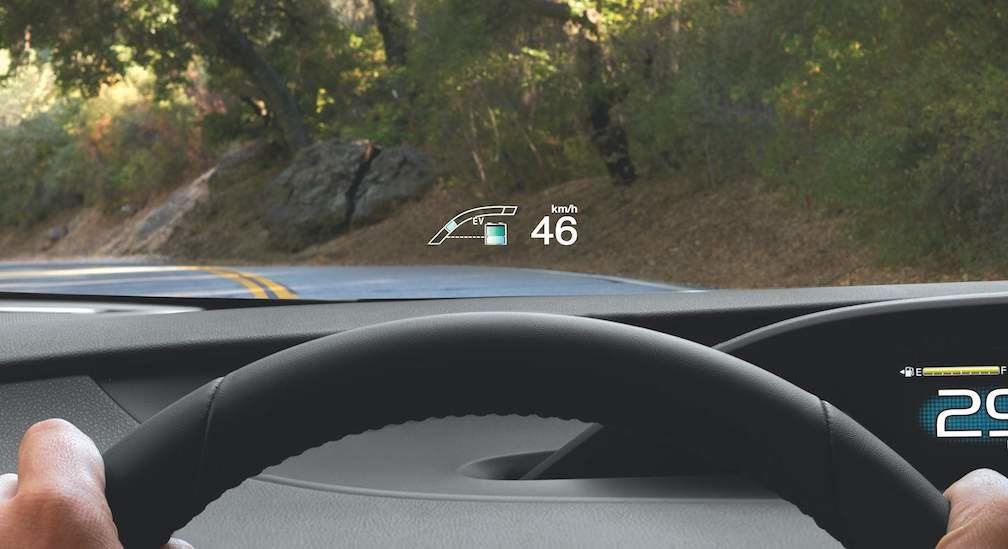
If you've shopped for a newer vehicle lately, you've probably heard the term head-up display, or HUD. It's one of those features that feels really fancy the first time you see it, but quickly becomes something you genuinely enjoy using.
A head-up display projects information like your speed, navigation directions, and safety alerts directly onto the windshield, helping you keep your eyes on the road. Is it a necessity? No. But it is one of those features that makes driving feel a little easier and a little more luxurious.
As more automakers add head-up displays to their vehicles, I think we'll continue to see this feature become more common. Here's how it works and why so many drivers love it.
Here are some of my favorite family vehicle features to consider:
What Is Heads-Up Display?
Head-up display projects an image of information on the vehicles windshield just beneath the driver’s line of sight. It displays key information like current speed, speed limit, navigation instructions cruise control info and more! Many HUD are customizable so you can decide which information you want to see!
The main benefit of head-up display is to keep your eyes on the road and not wandering looking for pertinent information. Since the projection is right below your line of sight you don’t need to move your head to check things like speed, gas mileage, navigation, etc.
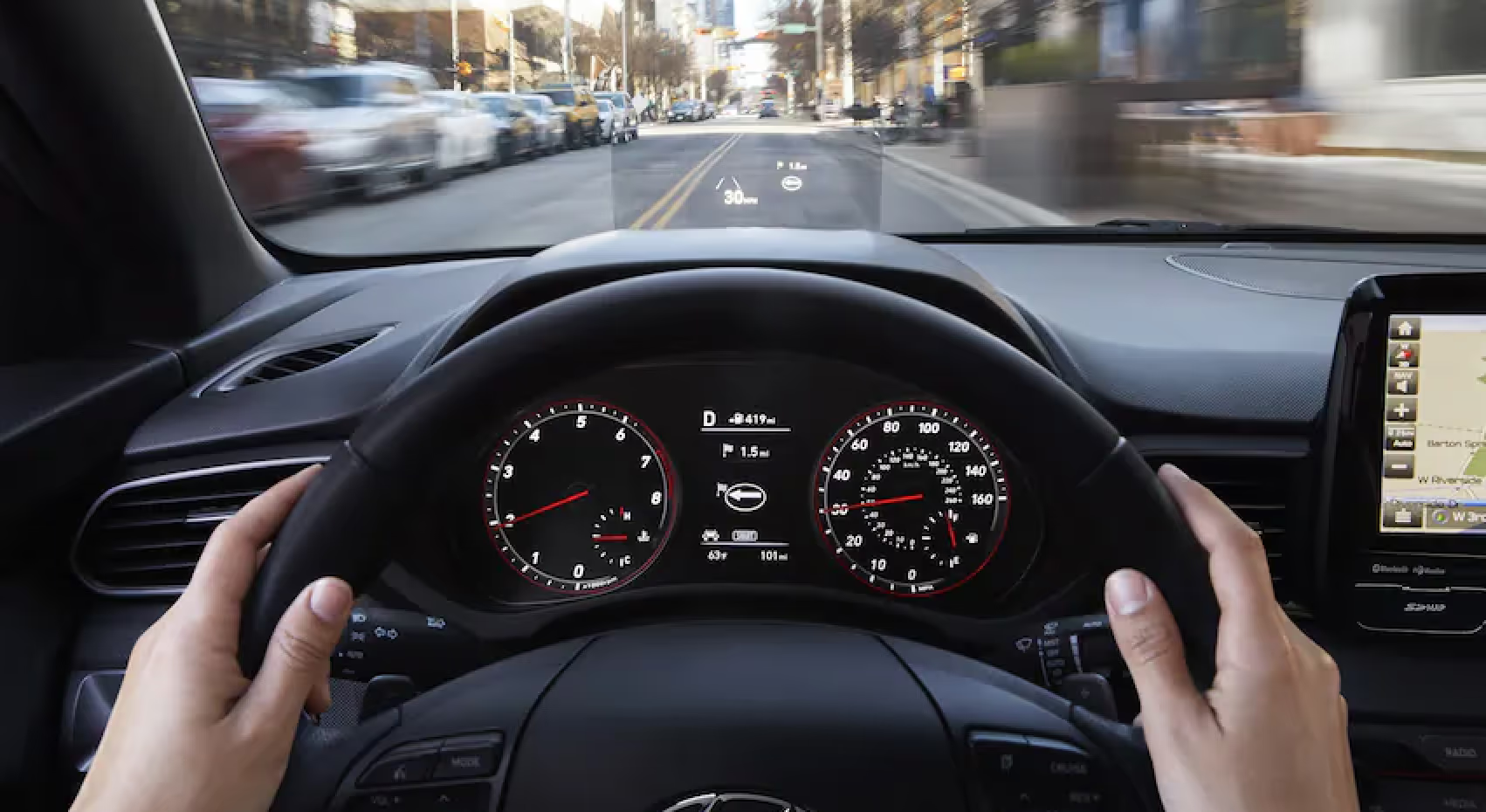
How Does a Head-Up Display Work?
A head-up display projects key driving information onto the windshield just below the driver's line of sight. Depending on the vehicle, it may display:
- Current speed
- Posted speed limit
- Navigation directions
- Adaptive cruise control information
- Driver assistance alerts
- Incoming phone calls or media information
Many systems are customizable, allowing you to choose which information appears on the display.
The biggest benefit is convenience. Instead of constantly looking down at your instrument cluster or center screen, the information is displayed closer to your natural line of sight so you can keep your attention focused on the road ahead.
Heads-Up Displays Typically Come on Higher Trims
If you're shopping for a vehicle because you want a head-up display, here's the most important thing to know: HUDs are usually found on higher trim levels or optional technology packages.
Just because a vehicle offers a head-up display doesn't mean every version of that vehicle comes with one. In many cases, you'll need to move up to a higher trim to get it.
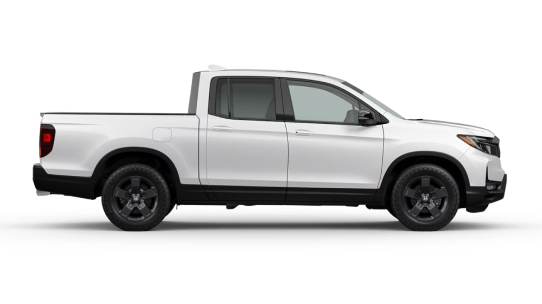
The good news is that head-up displays are becoming more common every year. What used to be a luxury-car feature is now showing up on more family vehicles, trucks, SUVs, and minivans.
The best way to know for sure whether a vehicle has a head-up display is to check the manufacturer's website for the specific model year and trim level you're considering. Features can change from year to year, so it's always worth double-checking before you buy.
As a general rule, if you're shopping for a newer vehicle in one of the higher trim levels, there's a good chance a head-up display is available.
Which family cars have Heads Up Display (HUD)?
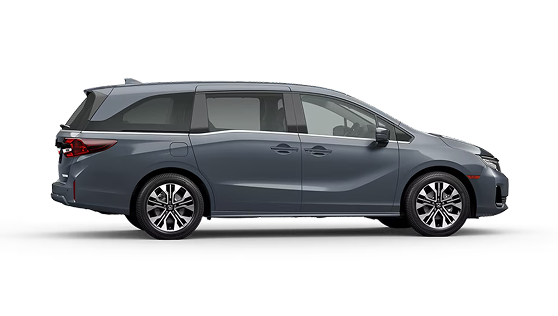
Minivans
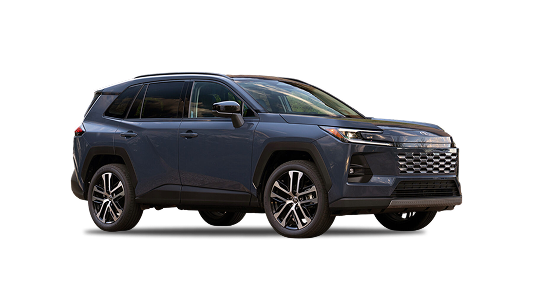
Mid-Size Three-Row SUVs
- Kia Telluride
- Hyundai Palisade
- Honda Pilot
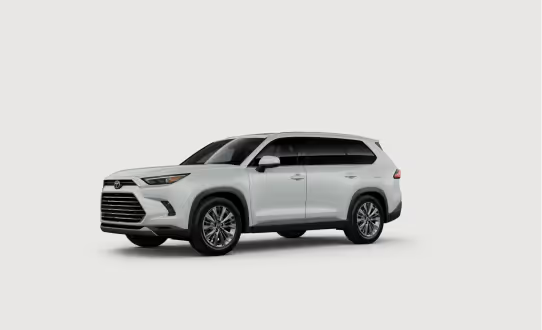
- Toyota Grand Highlander
- Toyota Highlander
- Mazda CX-90
- Lexus TX
- Volvo XC90
- Acura MDX
- Infiniti QX60
- Audi Q7
- Mercedes GLS
- Jeep Grand Cherokee L
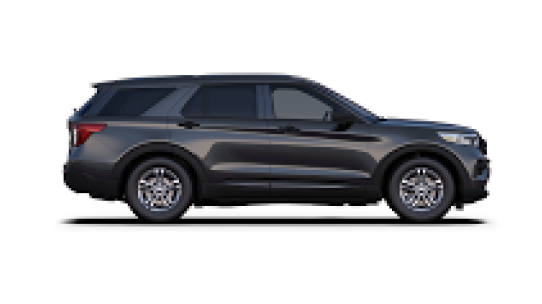
- Ford Explorer
- Hyundai Ioniq 9
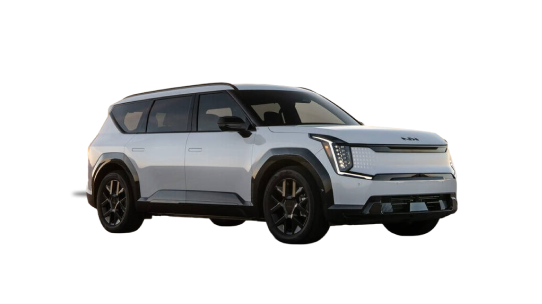
- Kia EV9
Full-Size SUVs
- Chevrolet Tahoe
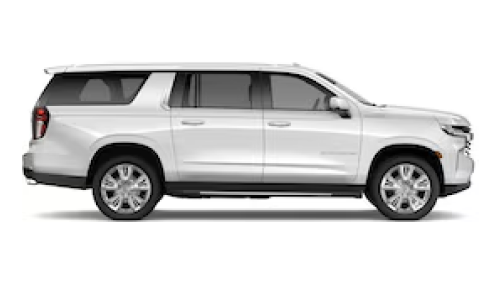
- Chevrolet Suburban
- Cadillac Escalade
- GMC Yukon
- Ford Expedition
- Jeep Wagoneer
- Nissan Armada
- Toyota Sequoia
- Lexus LX
- Infiniti QX80
Is a Head-Up Display Worth It?
For me, a head-up display falls squarely into the "nice-to-have" category. I wouldn't buy a vehicle solely because it has one, but I definitely appreciate it when it's there.
It's a feature that can make driving feel a little more convenient and a little more premium. And as automakers continue adding it to more vehicles, I think we'll see head-up displays become increasingly common in the family-car market over the next few years.
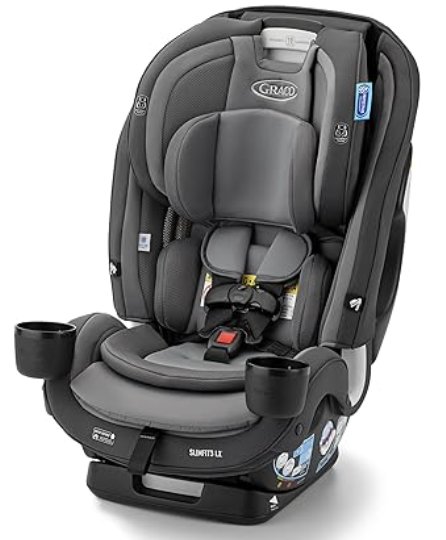
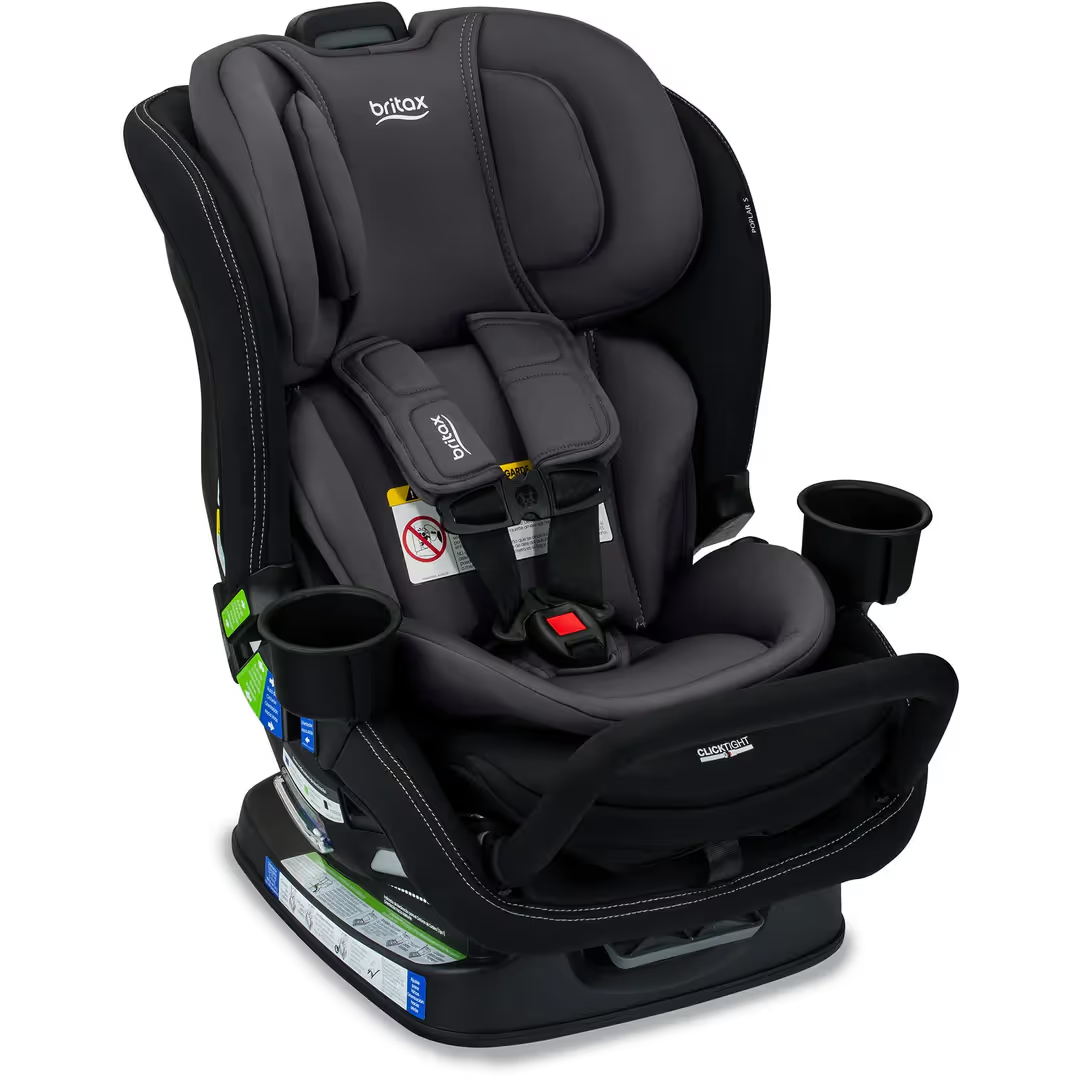
Related Car Seats
.jpg)
Relevant Articles





.jpeg)
Reach out & let’s get started
Whether you're comparing models, prepping for the dealership, or looking for car seat recommendations, we’re here to help.