

.jpg)
.jpg)

.jpg)

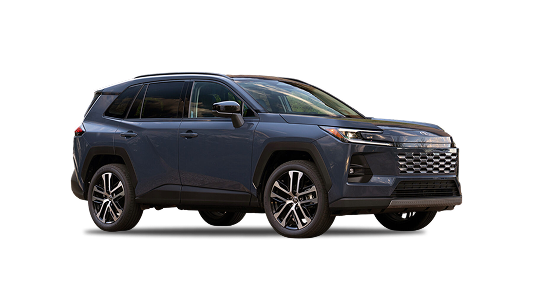
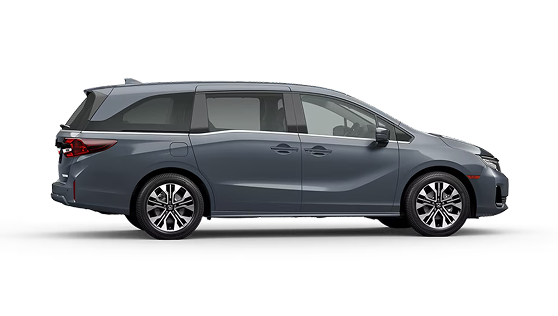
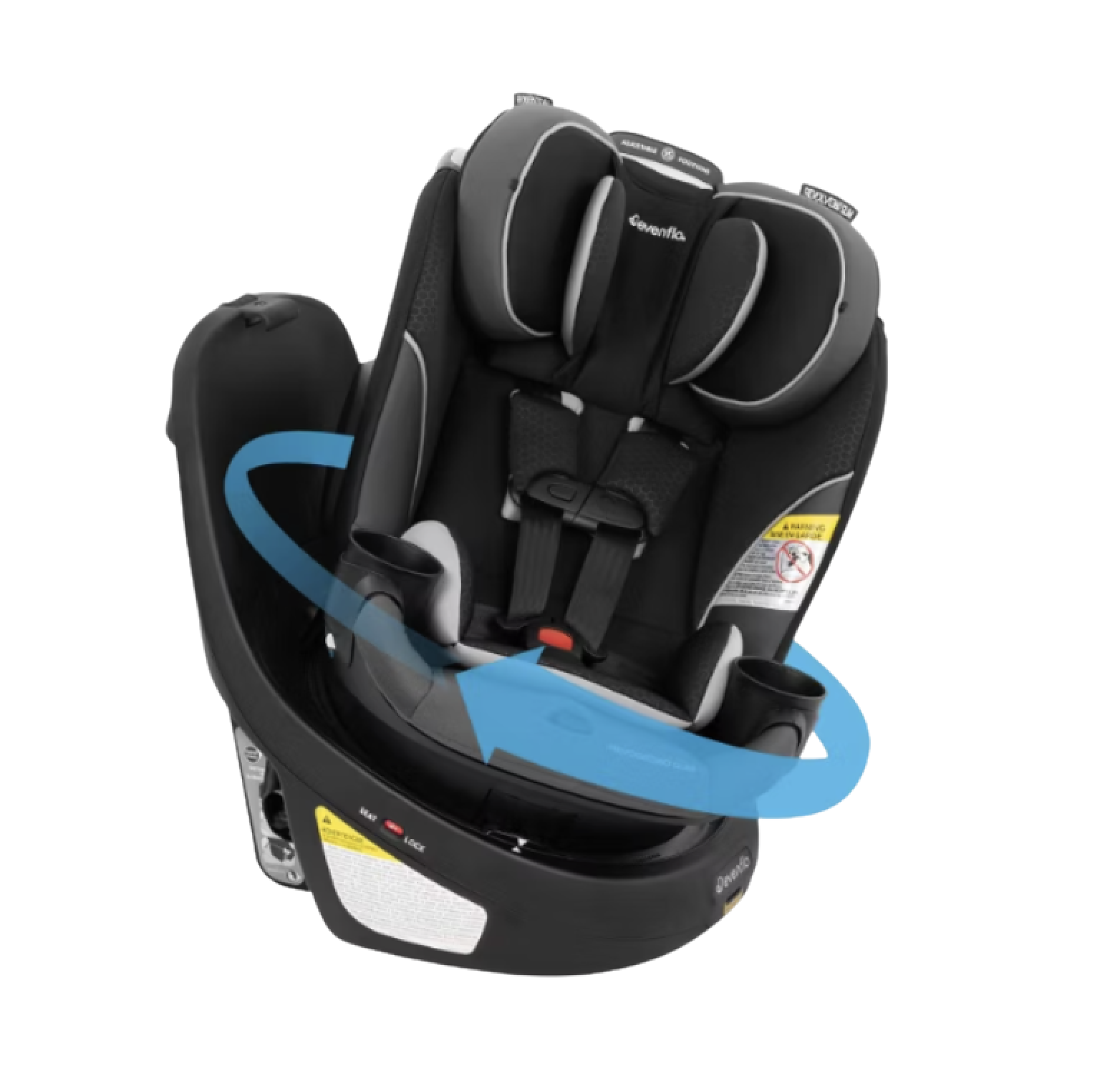

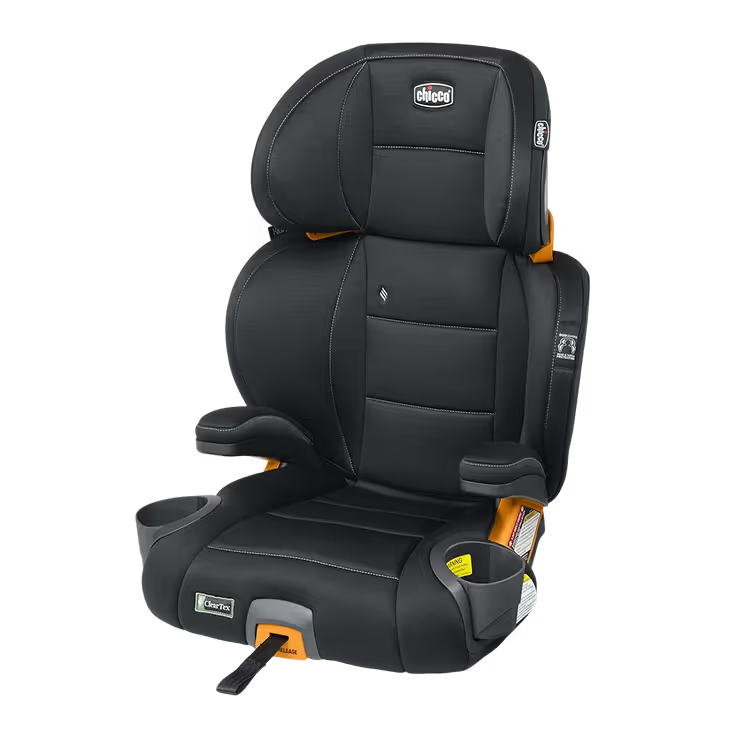
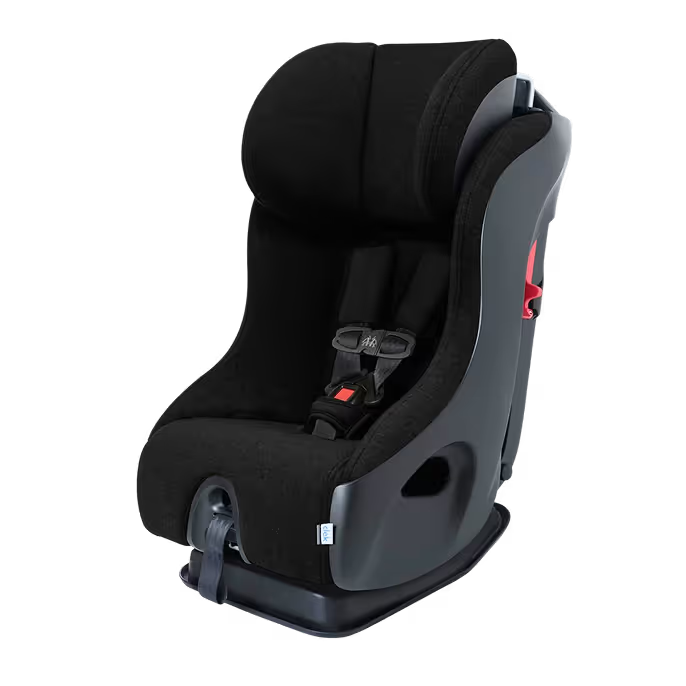
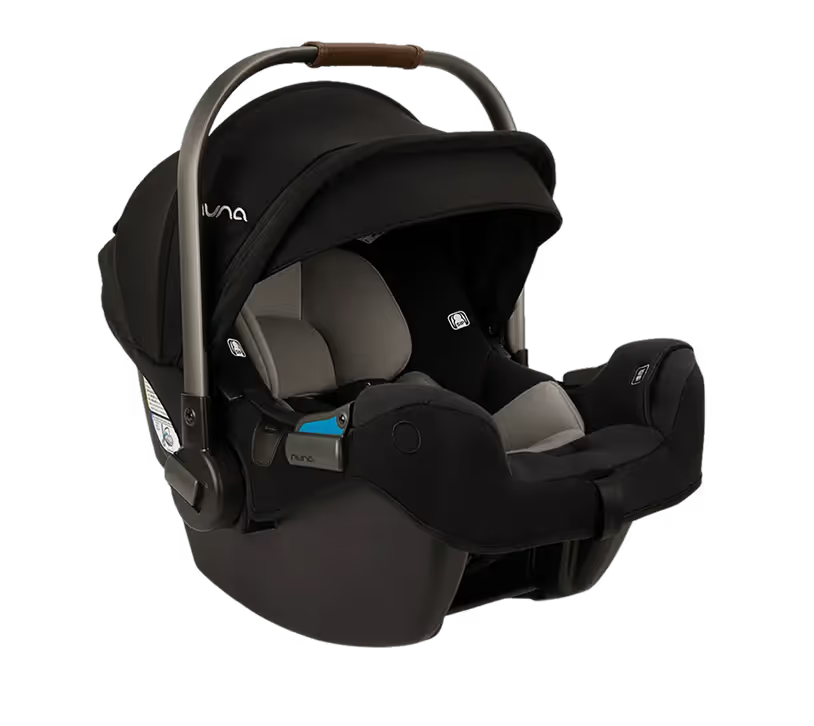


Toyota RAV4 vs. Honda CR-V: Which Compact SUV Is Better For You?
Car Buying

Quick Answer: Toyota RAV4 vs. Honda CR-V
Both the Toyota RAV4 and Honda CR-V are excellent compact SUVs, and honestly, you can't go wrong with either one.
If hybrid efficiency or a plug-in hybrid is at the top of your wish list, I'd lean toward the Toyota RAV4.
If you're shopping with young kids, prioritize car seat flexibility, or simply want a roomier second row, I'd choose the Honda CR-V.
For most growing families, I think the CR-V's interior layout makes everyday life just a little easier.
When it comes to compact SUVs, few names are as well-known as the Toyota RAV4 and Honda CR-V. These two models have earned a reputation for reliability, versatility, and family-friendly features, making them top choices for anyone looking for a practical yet stylish ride. While they might seem similar at first glance, the RAV4 and CR-V each bring their own strengths when it comes to fuel efficiency, interior comfort, and cargo space.
If you’re new here - welcome! I’m Kelly, the Car Mom, and as a Child Passenger Safety Tech (CPST), mom of four, and overall car lover, it’s my goal to help you find the best car for your family. I’m here to break down everything you need to know about these two compact SUV heavyweights, helping you make the best choice for your lifestyle. Whether you’re after better performance, advanced tech, or just more room for your next adventure, I’ll cover it all.
Both SUVs offer great value and dependability, so honestly—you can’t go wrong. But there are a few key differences worth noting!
Why a Two-Row SUV Might Be All You Need
Two-row SUVs have become a go-to choice for families who want the perfect blend of practicality, comfort, and space. While three-row SUVs and minivans offer extra seating for larger families or frequent carpools, many parents find that a spacious two-row SUV is all they really need-especially if their family is smaller or they don’t regularly transport extra passengers.
Two-row SUVs generally offer more cargo space behind the rear seats than three-row models with the third row in use, and they’re easier to maneuver and park.
While there are plenty of larger SUVs out there, two-row models like the Toyota RAV4 and Honda CR-V deliver ample room for car seats, strollers, and sports gear, all while providing a comfortable ride for both kids and adults. They also tend to offer better fuel efficiency and more affordable pricing than their bigger, three-row counterparts.
For most families of four, a two-row SUV strikes the right balance between space and simplicity-giving you everything you need without the bulk or complexity of a third row you might rarely use.
Toyota RAV4 vs. Honda CR-V: What I’m Comparing
- Pricing and value
- Fuel economy
- Technology
- Safety and reliability
- Car seat compatibility
- Rear seat and cargo access
Toyota RAV4 vs. Honda CR-V Price
Both start within $600 of each other, making price a near non-factor:
- Toyota RAV4: Starts at $30,645 (LE trim). Includes Toyota Safety Sense 3.0, wireless Apple CarPlay/Android Auto, 7-inch touchscreen, and LED headlights standard.
- Honda CR-V: Starts at $30,100 (LX trim). Includes Honda Sensing, 7-inch touchscreen, wired Apple CarPlay/Android Auto, and LED headlights. EX trim starts at $32,350; top trims reach $41,100.
Bottom line: Price is essentially a tie. Focus your decision on features, feel, and fit for your family — not the sticker.
Toyota RAV4 vs. Honda CR-V Fuel Economy
Gas models:
- RAV4: 27 city / 35 hwy / 30 combined mpg
- CR-V: 28 city / 34 hwy / 30 combined mpg
Hybrid models:
- RAV4 Hybrid: 41 city / 38 hwy / 39 combined mpg (AWD)
- CR-V Hybrid: 43 city / 36 hwy / 40 combined mpg (FWD); 40/34/37 mpg (AWD)
RAV4 Prime (plug-in hybrid): 40 city / 36 hwy / 38 combined mpg — plus up to 42 miles of all-electric range, making it the standout option for families who want to minimize fuel stops or commute emissions-free.
The CR-V edges ahead slightly on hybrid city MPG, but the RAV4 Prime's electric range is hard to beat if that's on your radar.
Plug-in Hybrid and All-Electric Range (RAV4 Prime)
The RAV4 Prime plug-in hybrid stands out with 40 mpg city, 36 mpg highway, 38 mpg combined-and up to 42 miles of all-electric driving, making it an appealing option for those who want to minimize fuel stops or commute emissions-free.
Toyota RAV4 vs. Honda CR-V Safety
Both are excellent here — you're genuinely in good hands either way.
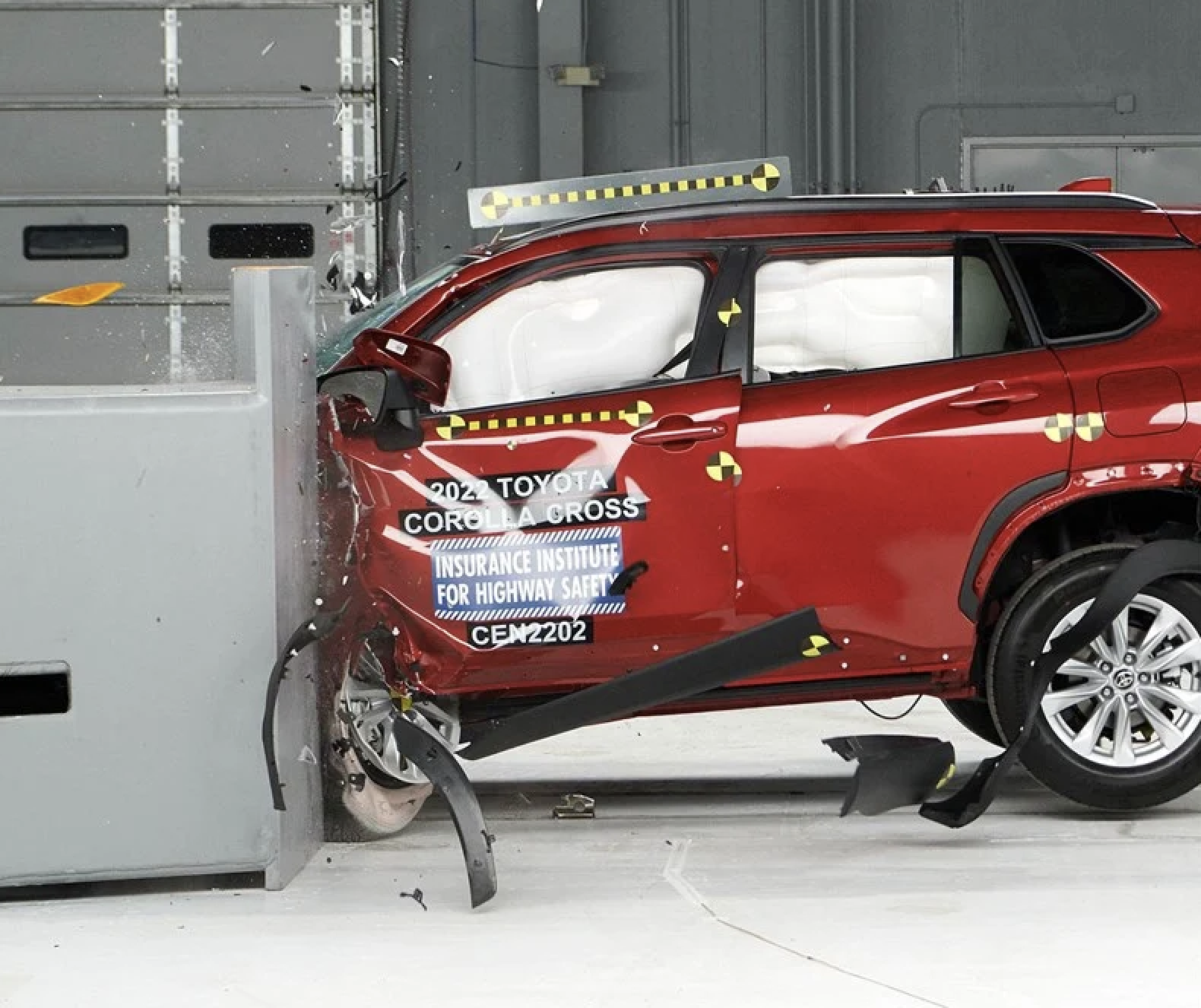
- Toyota RAV4: Earns top marks from IIHS and NHTSA. Toyota Safety Sense 3.0 is standard across all trims, including pre-collision braking, adaptive cruise control, lane tracing assist, and more. Available surround-view camera and blind-spot monitoring on higher trims.
- Honda CR-V: Named an IIHS Top Safety Pick with a five-star NHTSA rating for AWD models. Honda Sensing is standard. Unique features include a center airbag for added side-impact protection and a rear seat reminder — thoughtful touches for families.
Toyota RAV4 vs. Honda CR-V Car Seats
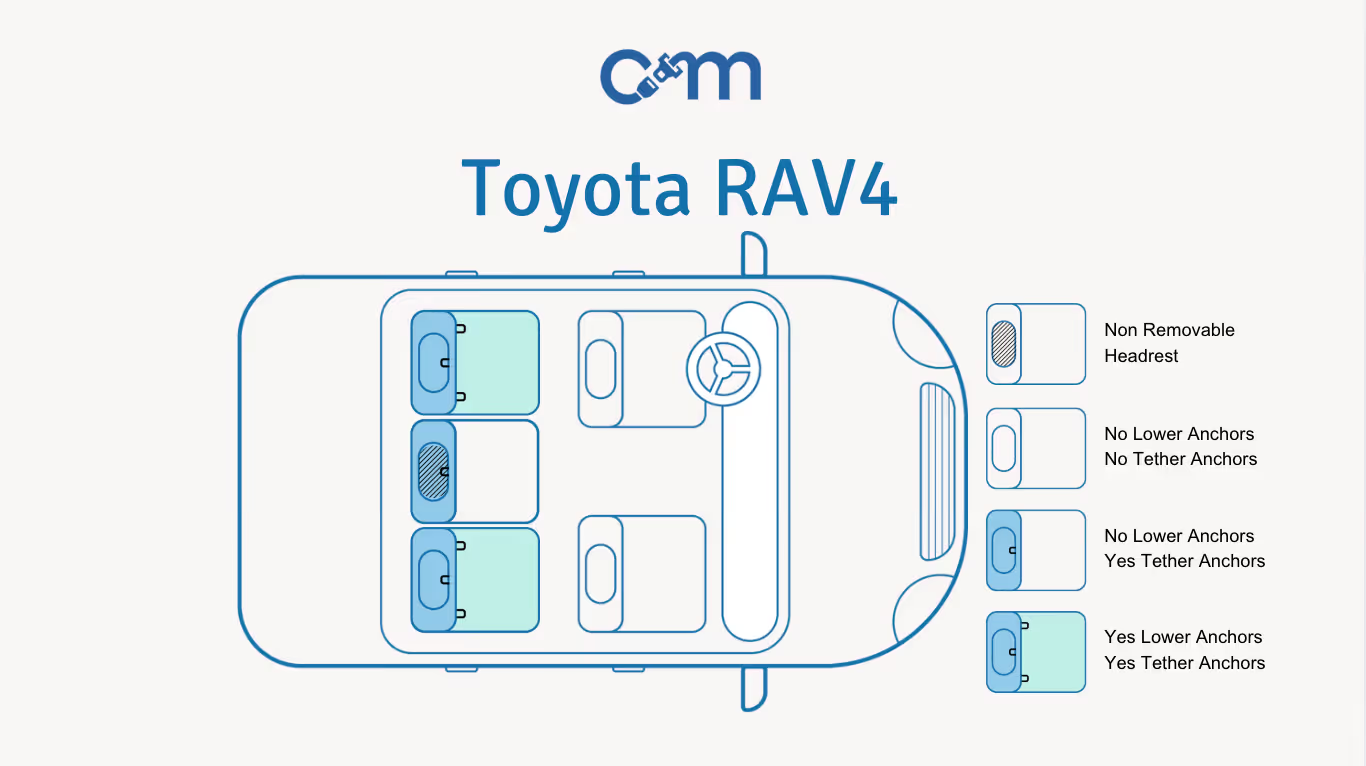
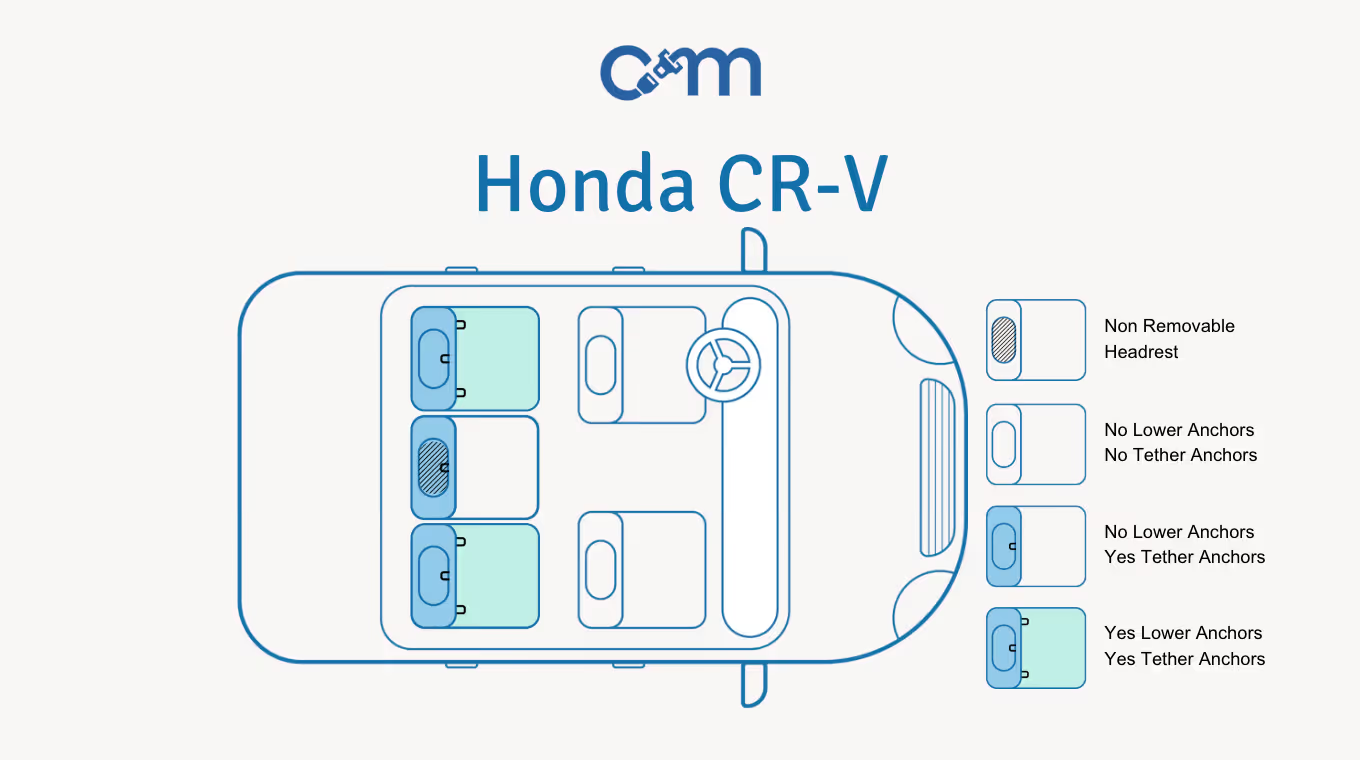
Car Seat Compatibility: RAV4 vs CR-V
This is where the differences matter most for families with young kids.
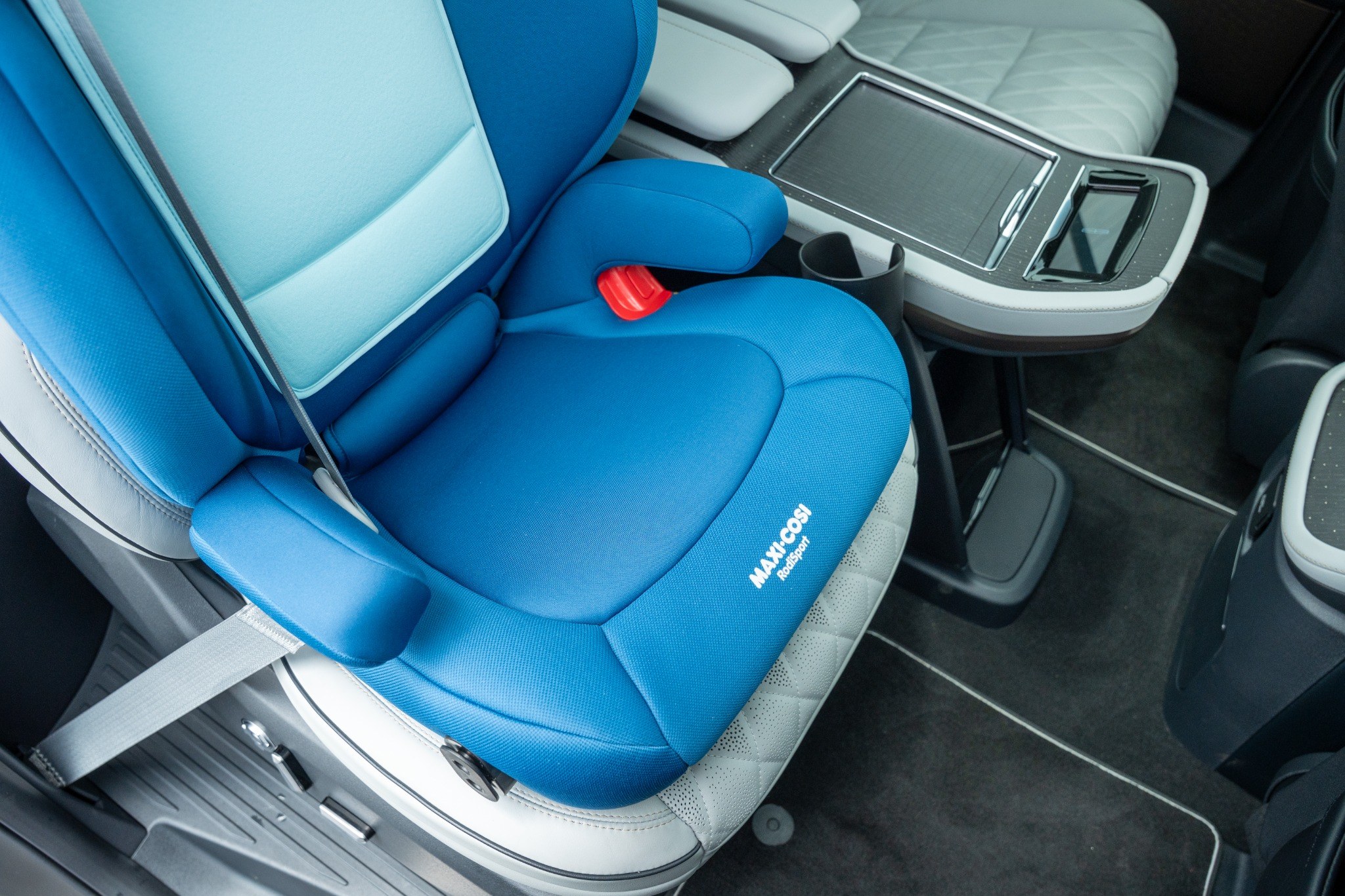
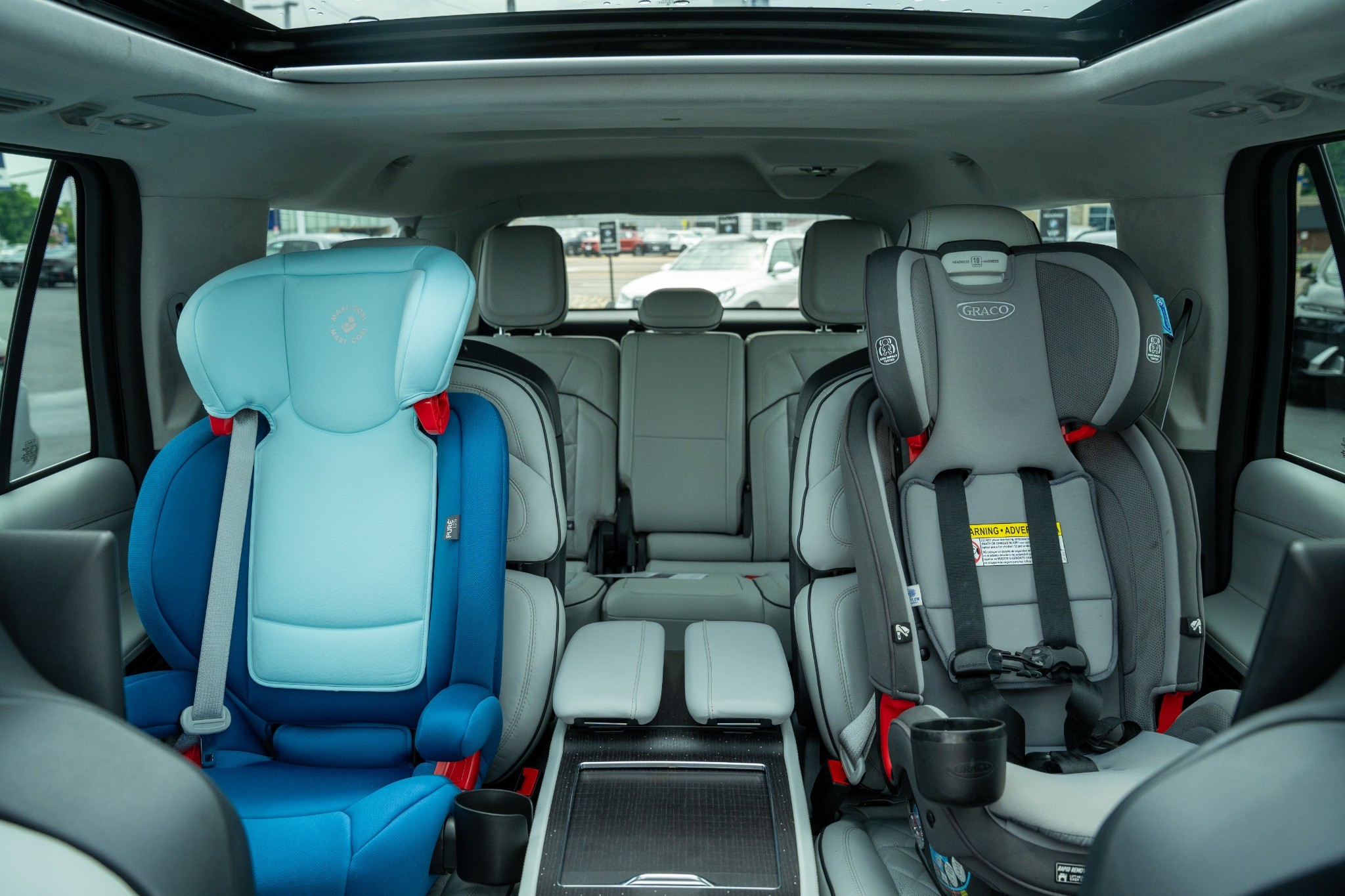
Toyota RAV4:Two sets of lower LATCH anchors on outboard seats, three top tether anchors across the rear seat. Anchors are exposed and easy to access. However, the RAV4's narrower middle seat and overlapping seatbelt design make three-across installs extremely difficult — even with slim seats and multiple configurations. Two car seats is the practical maximum for most families.
Honda CR-V:Two sets of lower LATCH anchors on outboard seats, three top tethers. The redesigned second row eliminates the seatbelt overlap issue from previous models, and the wider rear seat makes three-across installs much more realistic — especially with slim options like the Graco SlimFit3 LX.
Winner: Honda CR-V — if car seat flexibility matters to your family, the CR-V has a clear edge.
Toyota RAV4 vs. Honda CR-V Cargo Space
When it comes to trunk space, both the Honda CR-V and Toyota RAV4 deliver roomy, functional cargo areas—but there are a few standout differences.
Honda CR-V:
The CR-V's trunk is impressively spacious, with a wide, deep layout that easily accommodates a full-size stroller like the Mockingbird without even folding it down tightly. On the EX-L trim, you’ll also get a power tailgate for added convenience. The design is tall and practical, making it easy to load bulky gear, groceries, or luggage without a hassle. Whether you're packing for a weekend road trip or hauling kid essentials, the CR-V feels ready.
Toyota RAV4:
The RAV4 also delivers excellent trunk space for its class—fitting an UPPAbaby Vista stroller with zero disassembly required. You get around 35 cubic feet of space behind the second row, which is among the largest in the small SUV category. The power tailgate on higher trims and wide-opening hatch add convenience, though there’s no handle to fold the rear seats from the back—you’ll need to reach in from the side.
Trunk Space Winner: Tie
Both SUVs offer smart, family-friendly cargo solutions. The RAV4 has a slight edge in total cubic feet, but the CR-V’s deep and user-friendly layout—along with its generous height and thoughtful design—makes this one too close to call. Either way, you’re getting one of the biggest trunks in the compact SUV game.
Technology and Infotainment: RAV4 vs CR-V
- Toyota RAV4: Comes with a standard 8-inch touchscreen (up to 10.5 inches on higher trims), a straightforward interface, and physical controls for climate and audio. The system is praised for its clarity and ease of use.
- Honda CR-V: Features a 7-inch touchscreen on base trims and a 9-inch touchscreen on higher trims. The layout is clean and modern, but the smaller screen on base models can feel a bit dated compared to the RAV4.
Smartphone Integration and Available Tech Features
Both SUVs offer Apple CarPlay and Android Auto-wireless on most RAV4 trims and on higher CR-V trims. The RAV4 offers available upgrades like a JBL premium audio system, navigation, and a digital rearview mirror. The CR-V counters with available Bose audio, wireless charging, Wi-Fi hotspot, and a customizable digital instrument cluster. Both are well-equipped for family tech needs, but the RAV4’s wireless integration on more trims is a plus.
Toyota RAV4 vs. Honda CR-V: Which SUV Is Right For You?
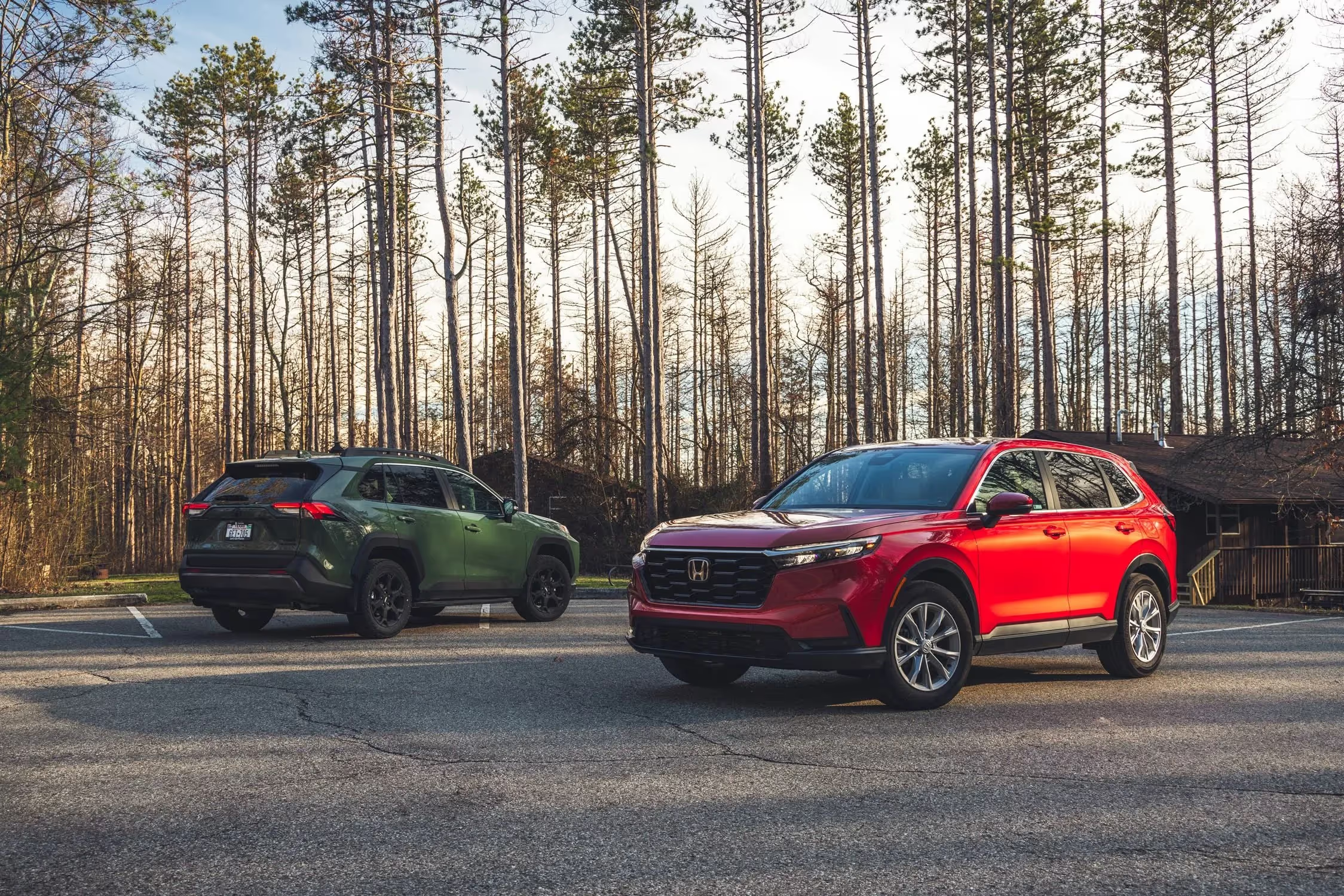
When To Choose The Toyota RAV4:
- You love the sporty, rugged styling—especially the black accents, bold grille, and mini-4Runner vibes.
- You want hybrid efficiency with available all-wheel drive and 40 mpg combined (or a plug-in option with the RAV4 Prime).
- You don’t plan on using three across in the second row—the middle seat is tight and best suited for two car seats max.
- You appreciate features like a panoramic sunroof, digital dash, and a sleek, intuitive infotainment system with wireless Apple CarPlay/Android Auto.
When To Choose The Honda CR-V:
- You need a wider, more usable back seat—especially if you plan to install car seats or fit three passengers across.
- You want a smarter second-row setup with no seatbelt overlap and easier access to LATCH anchors.
- You like a refined, modern interior with upscale touches like honeycomb vents, textured finishes, and tactile dials and buttons.
- You’re looking for great trunk space that easily fits a full-size stroller with room to spare.
- You value practical safety upgrades like a center airbag, rear seat reminder, and impressive Honda Sensing tech across all trims.
The Bottom Line
Both the Toyota RAV4 and Honda CR-V are excellent choices for families, commuters, and anyone who needs a practical, reliable compact SUV. The RAV4 stands out for its value, hybrid and plug-in options, and clever storage solutions, while the CR-V shines with its spacious interior, cargo flexibility, and superior comfort.
Consider your family’s priorities-whether it’s efficiency, space, tech, or safety-and test drive both to see which one fits your lifestyle best. Either way, you’ll be getting a top-tier SUV.

















.jpg)

.jpg)










Reach out & let’s get started
Whether you're comparing models, prepping for the dealership, or looking for car seat recommendations, we’re here to help.