
.jpg)
.jpg)

.jpg)




Here's When To Move Your Car Seat Forward Facing
Car Seats
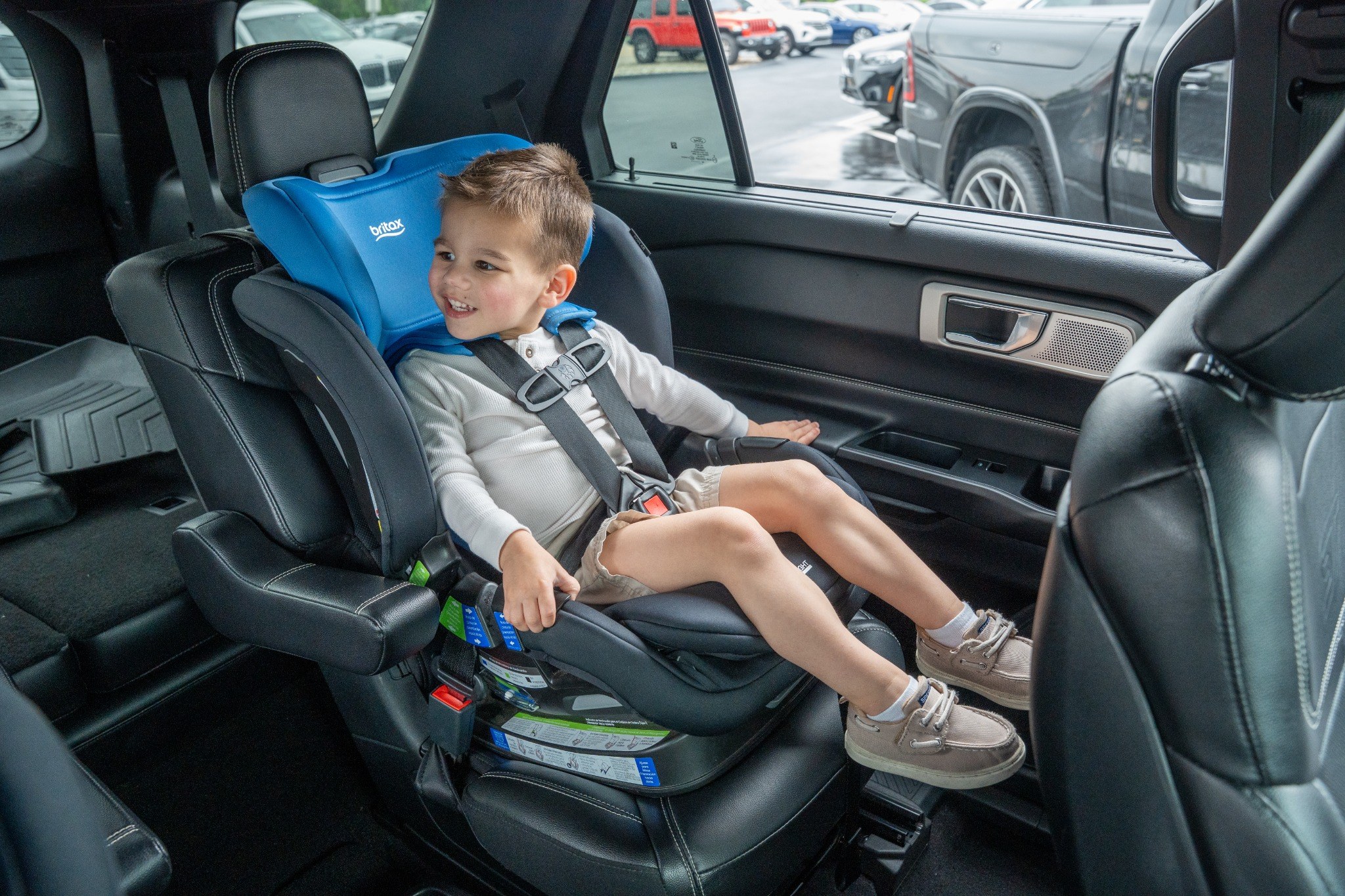
When can I move my child forward-facing? It’s one of the biggest car seat milestones parents navigate, and honestly, one of the most misunderstood. I know once kids start looking cramped rear-facing or approaching a certain age, it can feel tempting to make the switch sooner rather than later. But forward-facing is not a transition I recommend rushing.
If you’re new here, I’m Kelly, The Car Mom — a mom of four and a Child Passenger Safety Technician (CPST). Helping families safely navigate every stage of car seats is a huge part of what I do, and this is one of the questions I get asked most often.
In this guide, I’m breaking down everything you need to know before turning your child forward-facing, including minimum requirements, best practices, common misconceptions, and how to know if your child is truly ready for the switch.
Quick Answer: When Can Kids Face Forward?
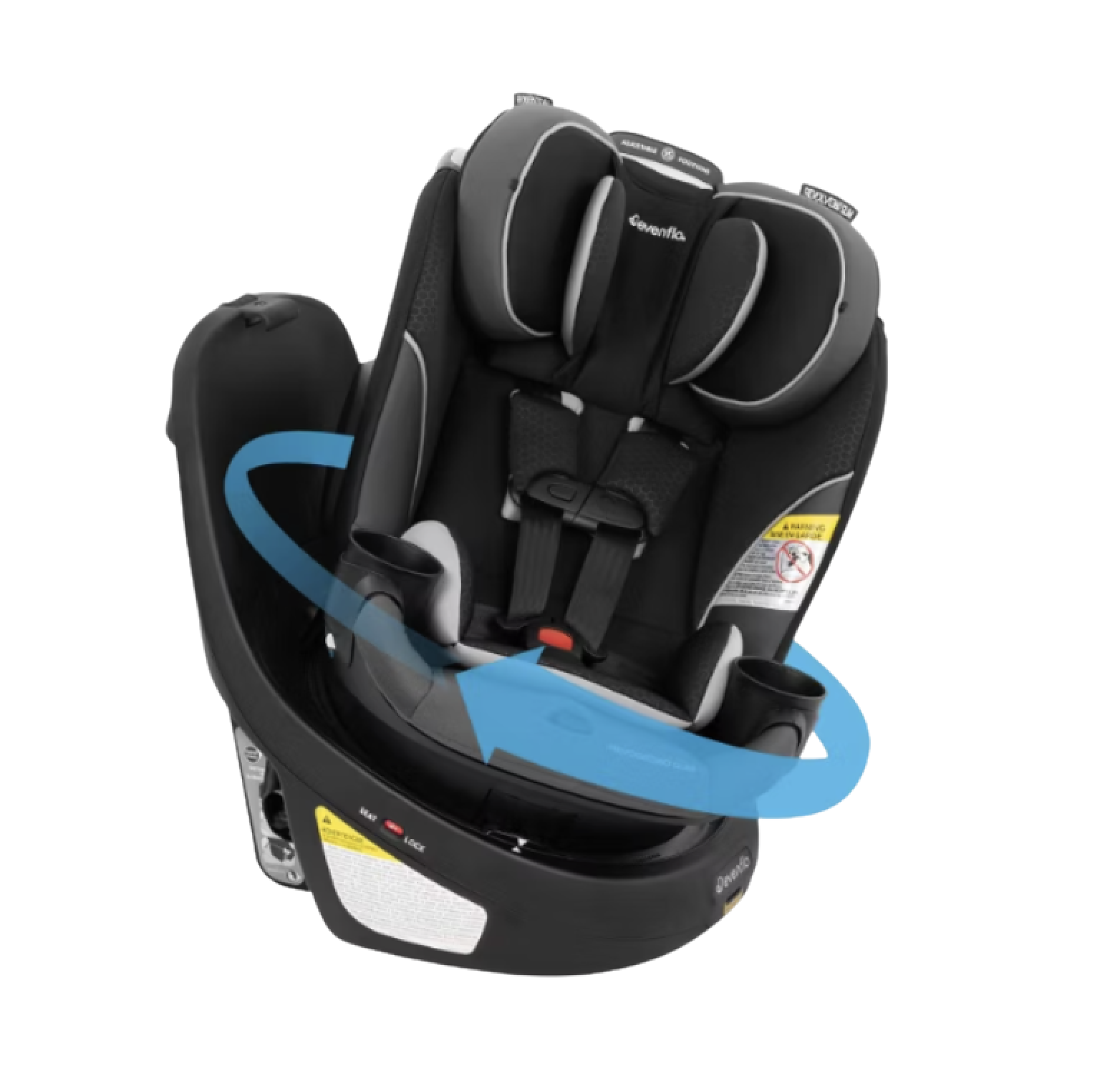
Children can move to a forward-facing car seat once they meet the minimum forward-facing height and weight requirements for their seat. However, best practice is to keep children rear-facing until they fully outgrow the rear-facing height or weight limits of their car seat.
Every car seat is different, which is why checking your specific car seat manual matters so much.
Why Are Rear-Facing Car Seats Safer?
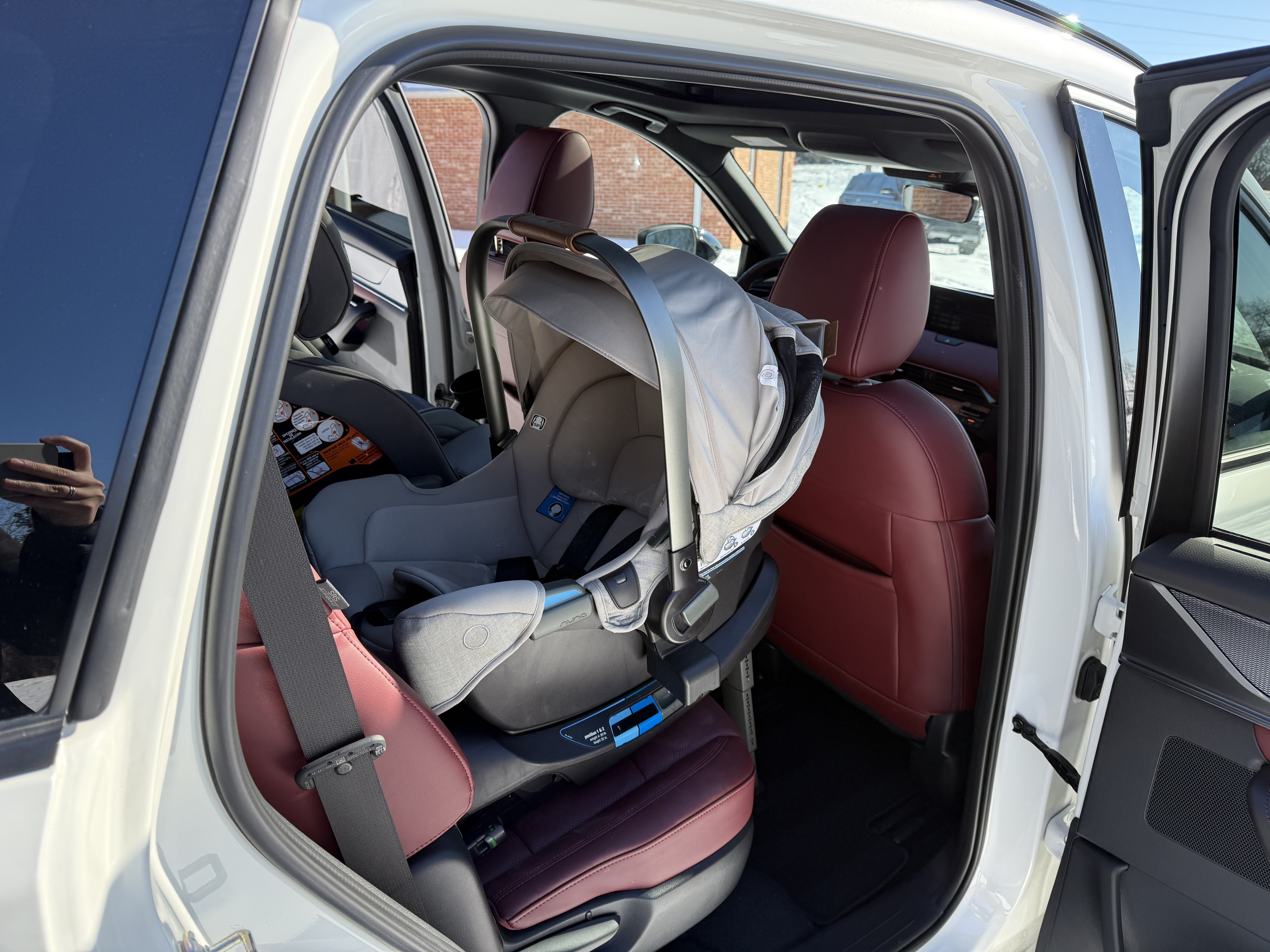
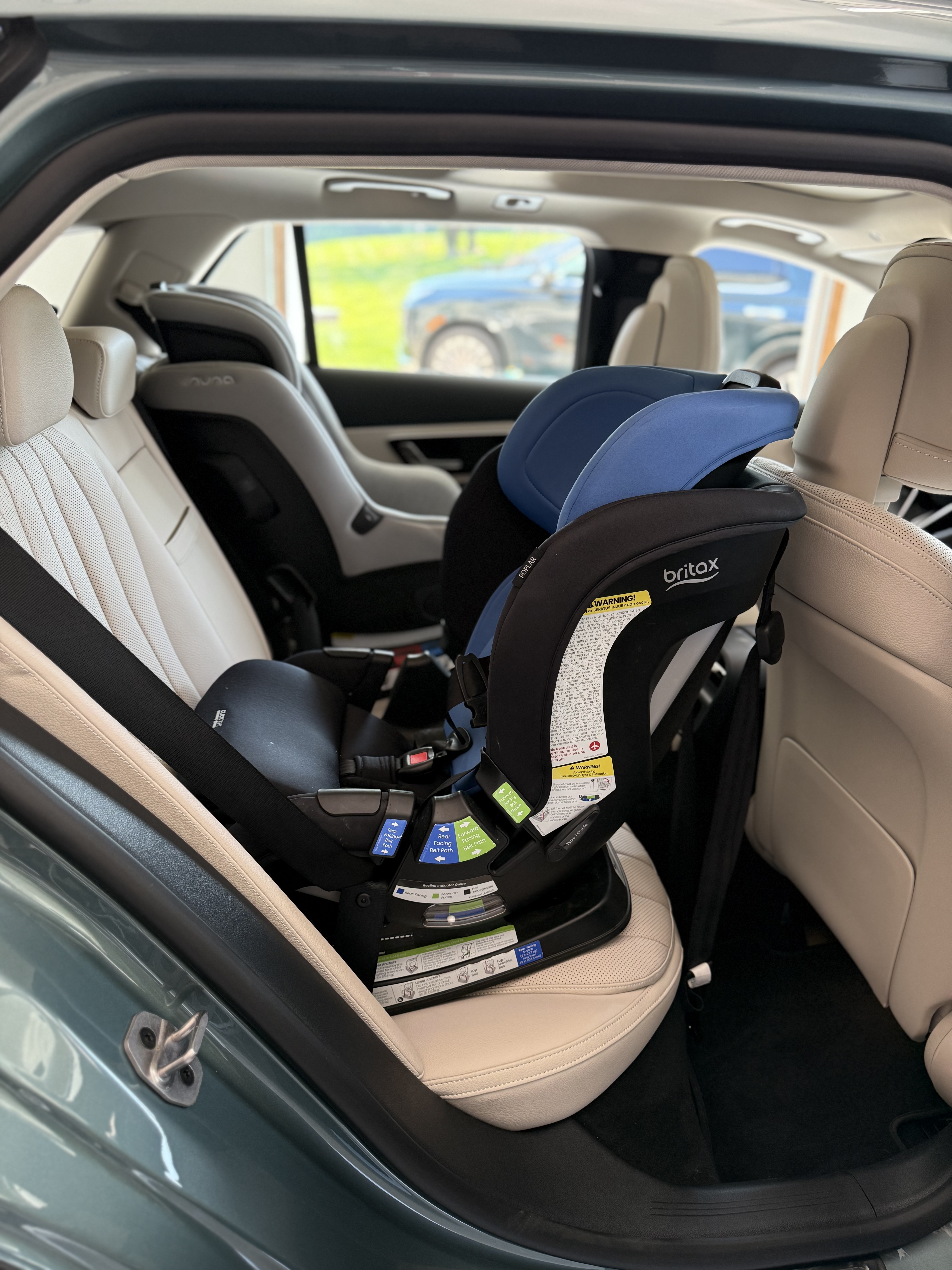
To start, rear-facing car seats are safer when a child is within the weight and height limits of their seat. Once they've maxed out their seat limits in rear-facing mode, it's safest to then moving them forward-facing.
Rear-facing car seats are safest when your child is still within the height and weight limits of their seat. That’s why experts recommend keeping kids rear-facing as long as possible within those limits instead of rushing to turn them forward-facing.
During a collision, rear-facing seats help:
- Support the head, neck, and spine
- Distribute collision forces more evenly across the body
- Reduce strain on the neck
- Better protect developing spinal cords
Why does this matter so much for babies? About 25% of a newborn’s body weight is their head, which is pretty incredible when you think about it. If a young child is forward-facing during a collision, their head moves forward quickly while their neck and spine are still developing and relatively fragile.
As kids get older, many parents start wondering whether rear-facing still matters as much during the toddler stage. I remember wondering the exact same thing as a first-time mom. While a toddler’s neck becomes stronger over time, their spine is still developing and not fully mature. Rear-facing seats continue to provide additional support by helping manage collision forces more evenly across the body.
It’s Okay If You’re Eager To Move Forward-Facing
I totally understand why many parents feel anxious to turn their child forward-facing. Once your child reaches toddlerhood, it can start to feel like they’ve “outgrown” rear-facing even when they technically haven’t.
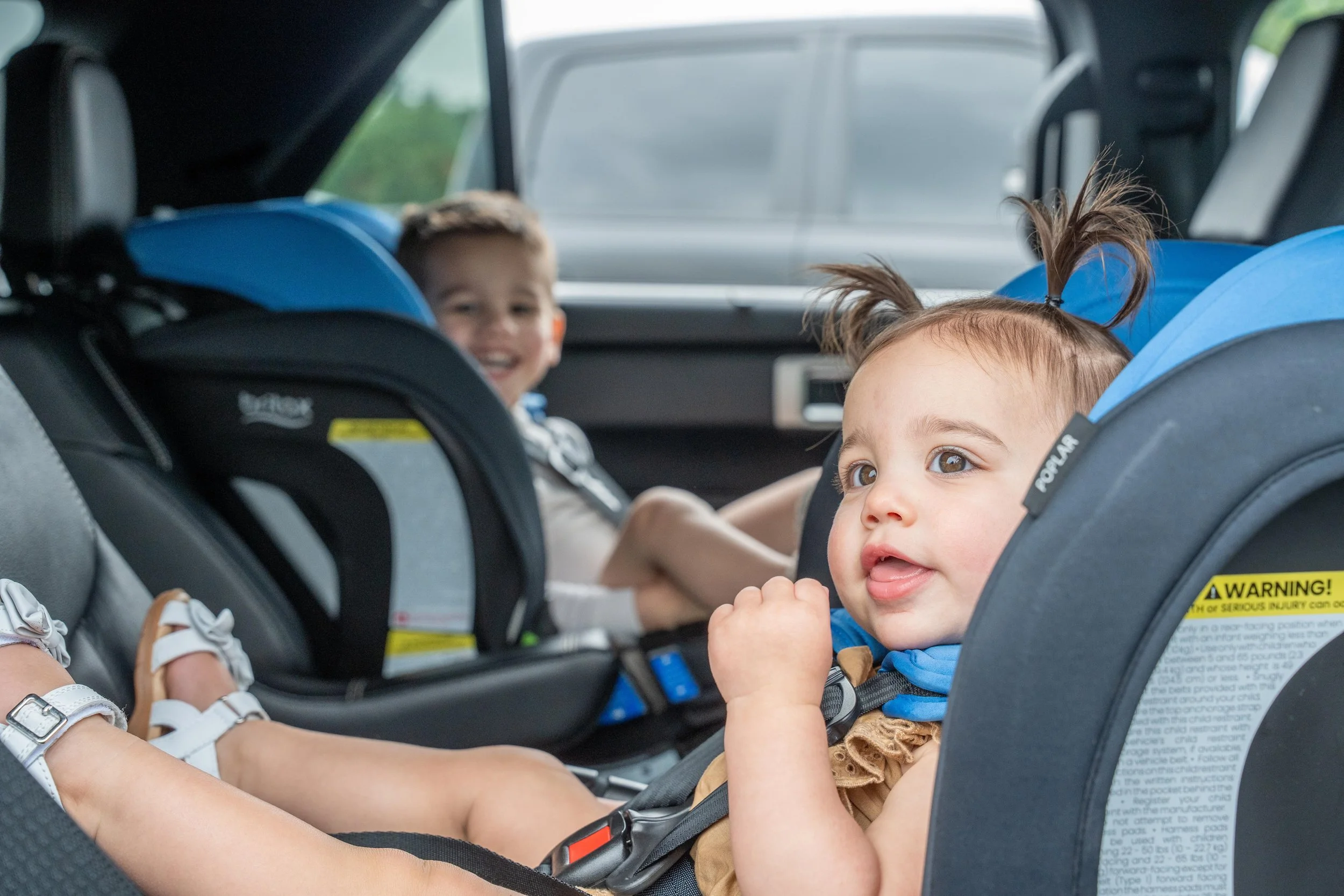
One thing I always remind parents is that cramped legs are not a safety concern the way head, neck, and spinal protection are. Kids are incredibly flexible, and most toddlers naturally find comfortable ways to sit while rear-facing, even if it looks uncomfortable to us as adults.
I also know there are real-life factors families sometimes have to consider, like:
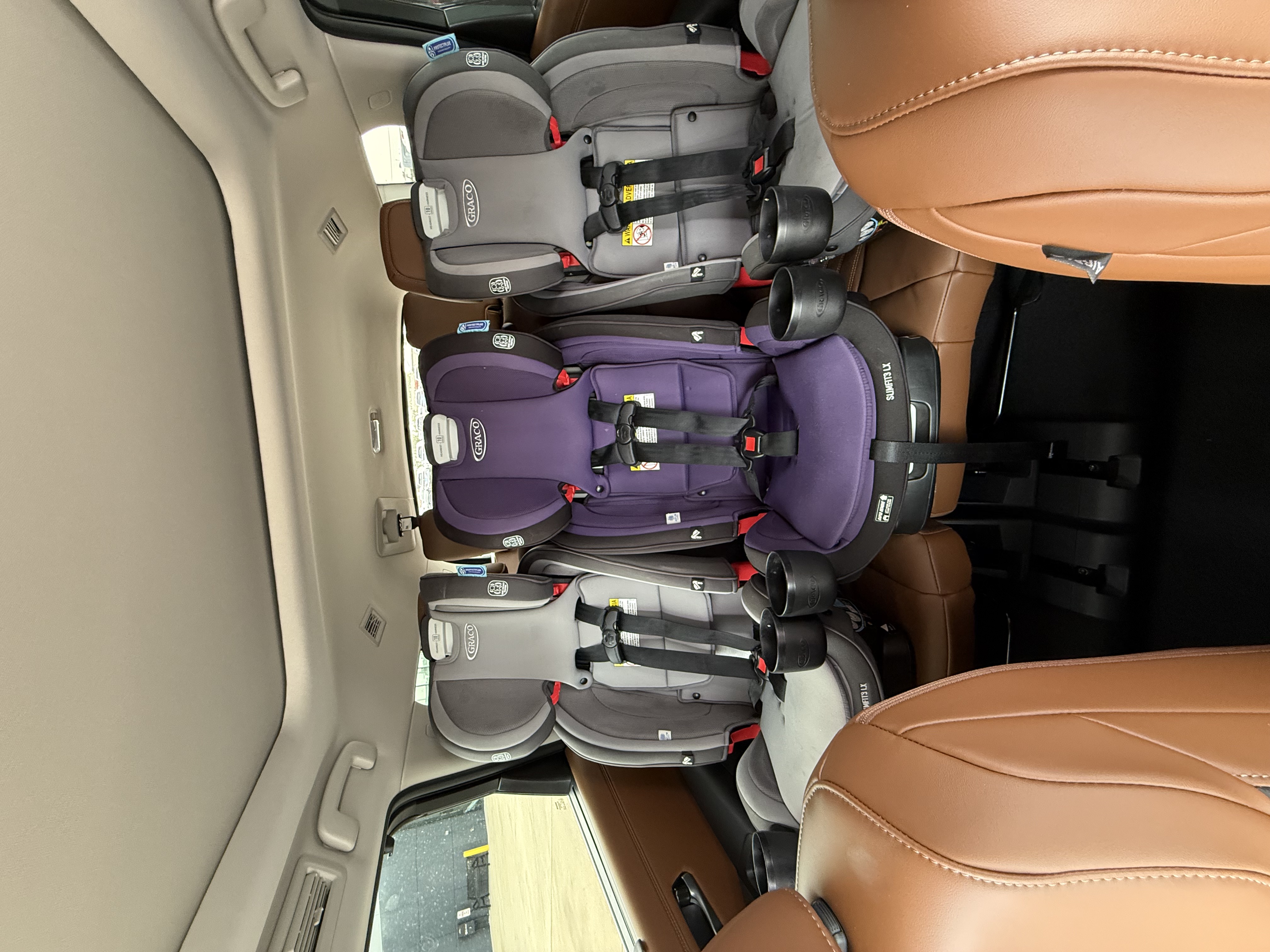
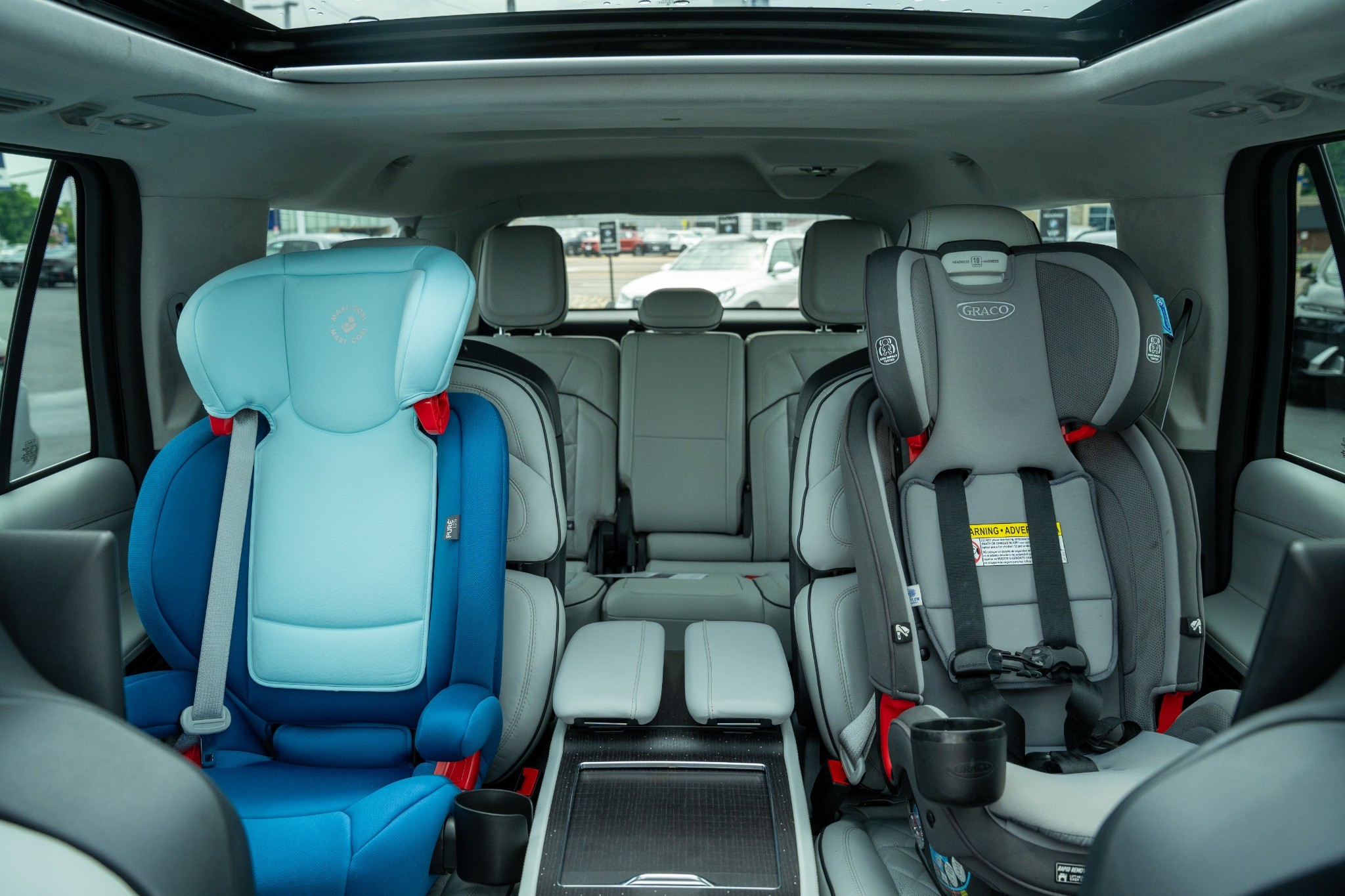
- fitting multiple car seats in a car
- access to the third row
- managing severe motion sickness
None of that changes the fact that best practice is to keep your child rear-facing until they fully outgrow the rear-facing height or weight limits of their seat.
But if your child is at least two years old, meets the minimum forward-facing requirements for their seat, and your family has a reason to consider the transition, it’s something you may need to thoughtfully weigh and consider.
My goal is never to scare parents or make anyone feel guilty. I simply want families to understand why rear-facing is recommended, what the safest practices are, and how to make informed decisions that work for their child and vehicle setup.
Are Rear Facing Car Seats Comfortable?
As a first-time mom, being unable to see my son in the rearview mirror gave me a lot of anxiety. Turns out I am not alone! The comfort aspect of kids in rear facing car seats is a common concern for parents and is often why car seats facing forward are rushed.
If this is the case for you, I wholeheartedly recommend buying a mirror that clips onto a headrest. Both you and your child can see each other and feel significantly calmer on the road.
As for the seat itself, modern car seats are designed with comfort in mind!
So short answer: Yes! Rear facing car seats are plenty comfortable.
Are Kids’ Legs Safe In A Rear-Facing Car Seat?
I know what many of you are wondering: what about my child’s legs?
As babies grow into toddlers, their legs often start touching the vehicle seat or looking cramped in the rear-facing position. This is one of the most common reasons parents feel ready to switch to forward-facing.
But rear-facing is still considered safe even when:
- Legs are bent
- Feet touch the seat
- Kids sit cross-legged
- Toddlers prop their feet upward
While leg comfort is a common concern, protecting a child’s head, neck, and spine during a collision is the bigger priority.
I promise you, this awkward in-between stage does not last forever.
So…When Should Car Seats Start Facing Forward?
This is the golden question: when should my child’s car seat face forward?
There is no universal age when children should face forward. The right timing depends on your child’s height, weight, and specific car seat limits.
In general, children should remain rear-facing until they:
- Reach the rear-facing height or weight limit of their car seat
- Are at least two years old
To determine whether your child is ready to forward-face:
- Check your car seat manufacturer’s rear-facing limits
- Reach out to a CPST if you have questions about your specific setup
One thing I always tell second-time parents: try not to compare siblings. Some children outgrow rear-facing much earlier than others, and that’s completely normal.
I promise there is no rush to hit this milestone!
Related Car Seats
.jpg)

Relevant Articles











Reach out & let’s get started
Whether you're comparing models, prepping for the dealership, or looking for car seat recommendations, we’re here to help.