
.jpg)
.jpg)

.jpg)



Do You Need A Car Seat On The Airplane? Ask A CPST
Car Seats

Traveling with young kids can feel overwhelming—there's just so much to think about. Diapers, snacks, entertainment, extra clothes... the list goes on. And then there's the car seat situation. If you've ever lugged a heavy car seat through an airport or tried installing one quickly in a rental car, you know exactly what I'm talking about.
I get it—traveling with little ones is already challenging enough without adding bulky gear into the mix. So how do you balance convenience and safety when traveling with kids?
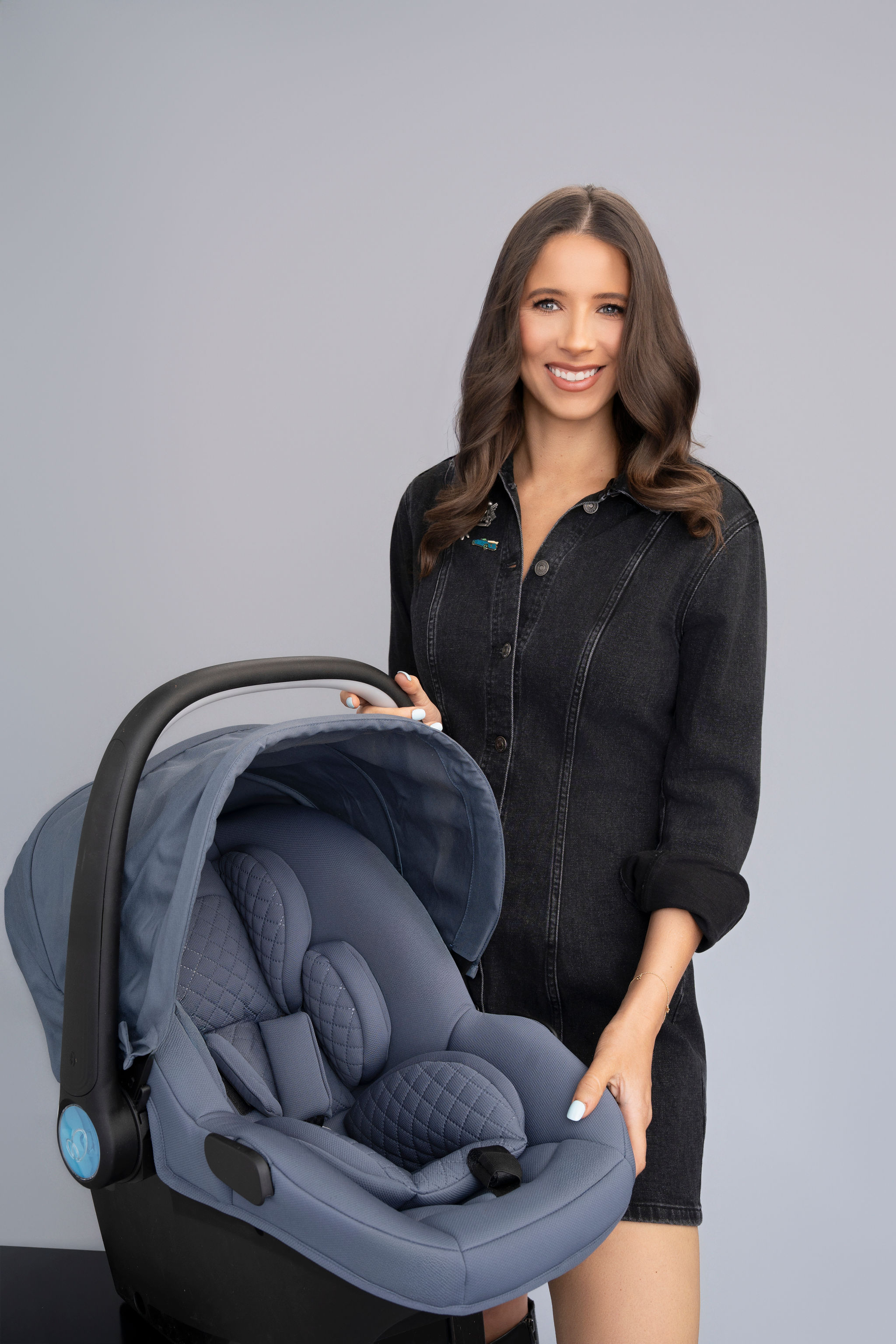
If you're new here—welcome! I'm Kelly The Car Mom, a Child Passenger Safety Technician (CPST) and mom of four. Helping families navigate car seats and family travel is my thing. My goal is to simplify all the confusing parts of family travel so you can feel prepared, safe, and confident every time you hit the road (or sky!).
Today, we're diving into one of the most common questions I get asked: How do you handle car seats while traveling? Do you really need to bring a car seat on the airplane? Is a dedicated "travel" car seat worth it—or can your everyday seat work just fine? And once you've chosen your car seat, how do you actually manage it smoothly during your trip?
I'll break down everything you need to know—from airplane policies and choosing between traditional vs. travel-friendly seats, to tips for installing them quickly in rental cars or taxis. By the end of this post, you'll have all the tools and tips needed to make traveling with a car seat easier, safer, and way less stressful.
Do You Need A Car Seat On The Airplane?
This is one of the first questions parents ask when they're planning air travel. The short answer is: technically no, but it's highly recommended.
The FAA doesn't require you to use a car seat on a plane, but they strongly encourage it for safety reasons. Even though flying is generally safe, turbulence is surprisingly common. Having your child secured in their own car seat during the flight can prevent injuries from unexpected bumps or sudden movements.
Plus, if you're going to need a car seat at your destination anyway, bringing it onboard means you won't have to worry about it getting lost or damaged in transit. And in my experience, children are much calmer on the flight when sitting in a seat they’re used to.
Just remember—if you decide to use a car seat on the plane, it needs to be FAA-approved. Look for a sticker on the side or back of your seat that says it's certified for aircraft use. Most US car seats have this clearly marked in red lettering.
Traditional vs. Travel Car Seats: What's The Difference?
Here's something important to know: you don't actually need a separate travel-specific car seat. Your everyday car seat will work just fine on an airplane as long as it's FAA-approved. But let's be real—everyday car seats can be bulky and heavy. If you're juggling luggage, kids, and trying not to lose your sanity at the airport, a lighter travel-specific car seat might make your life easier.
So, what's really different between traditional and travel car seats?
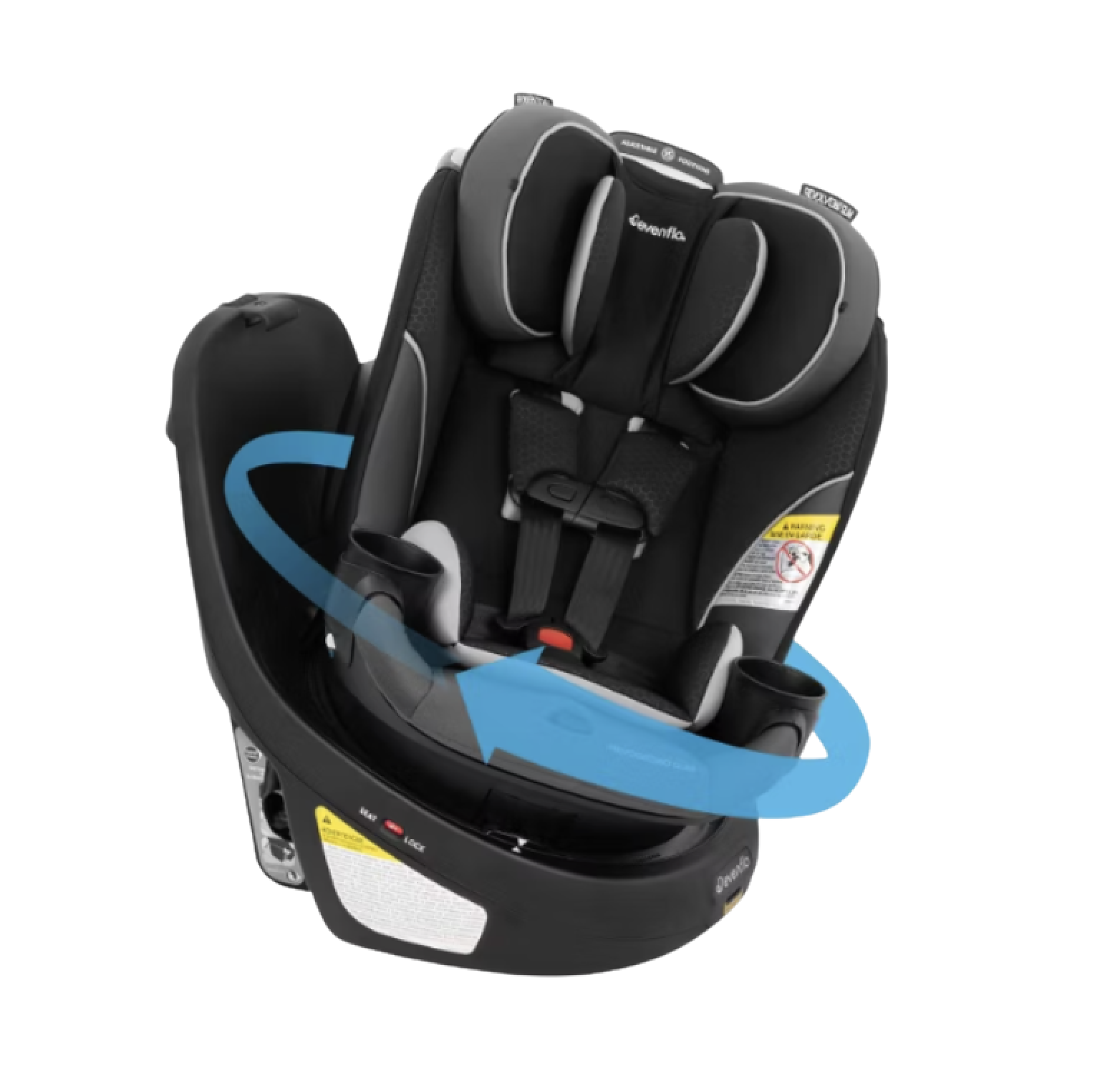
- Traditional seats are usually built for comfort and long-term use in your family car: they have extra padding, multiple reclining positions, cup holders, and other convenient features that make them heavier and bulkier.
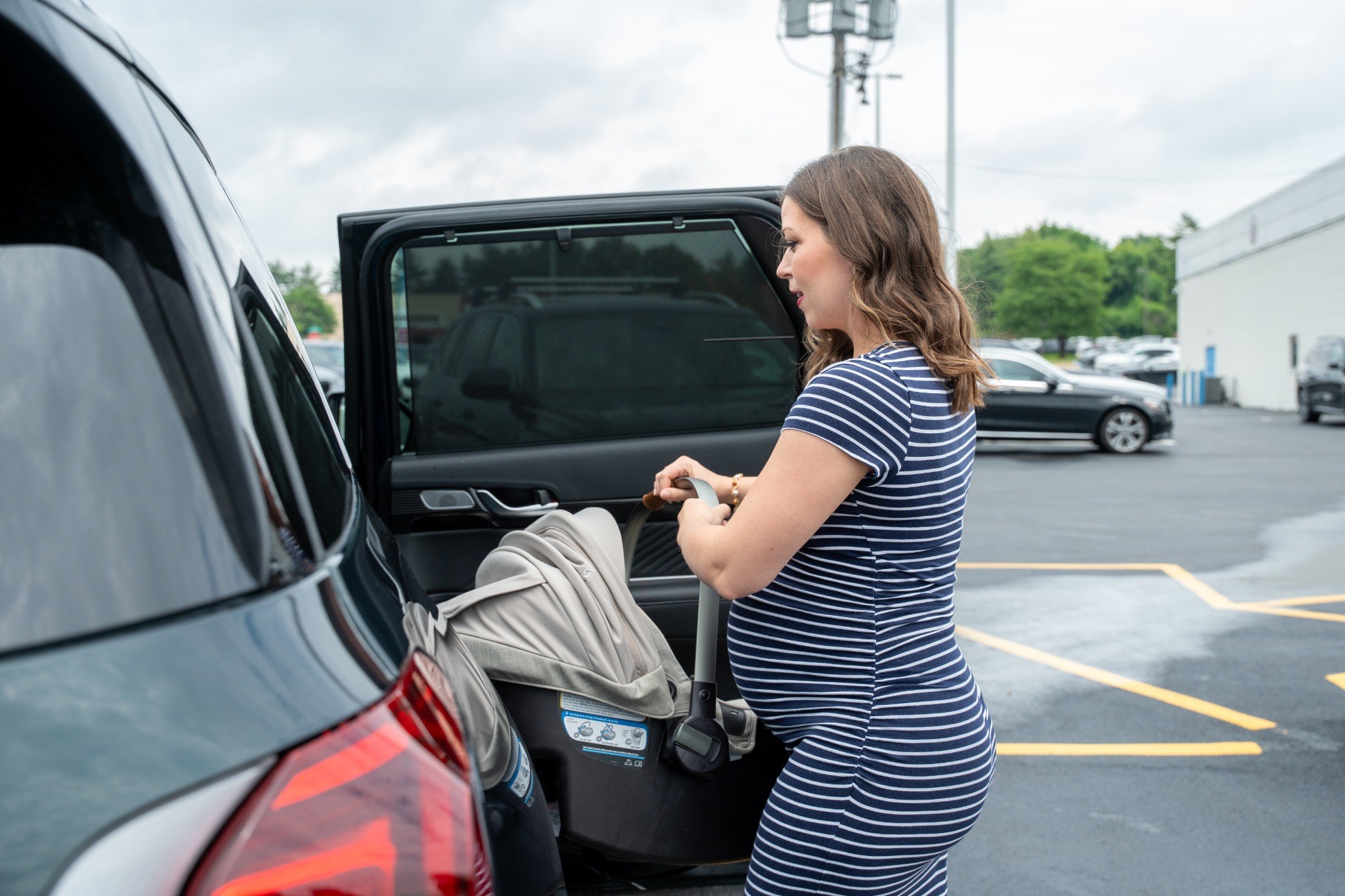
- Travel-specific seats are designed with portability in mind: they're lighter (often under 10 pounds), more compact, and easier to carry through airports or install quickly in rental cars or taxis.
You don't have to buy a separate travel seat—but if you travel often or want less hassle at the airport, it's definitely worth considering.
Key Features To Look For In A Travel Car Seat
If you're thinking about getting a dedicated travel car seat, here are some key features you'll want to look for:
- Weight: Go for something lightweight—ideally under 10 pounds—to avoid lugging extra weight through airports.
- Portability: Compact designs that fold up or come with carrying straps are ideal for navigating busy terminals or fitting into taxis.
- Ease Of Installation: Look for seats designed specifically for quick installation, or ones you are familiar with installing. The last thing you want is fiddling with straps before or after a long flight.
- FAA Approval: Always double-check that your chosen model has an FAA-approved sticker clearly labeled on it.
My Favorite Car Seats To Travel With (As A CPST + Mom Of Four)
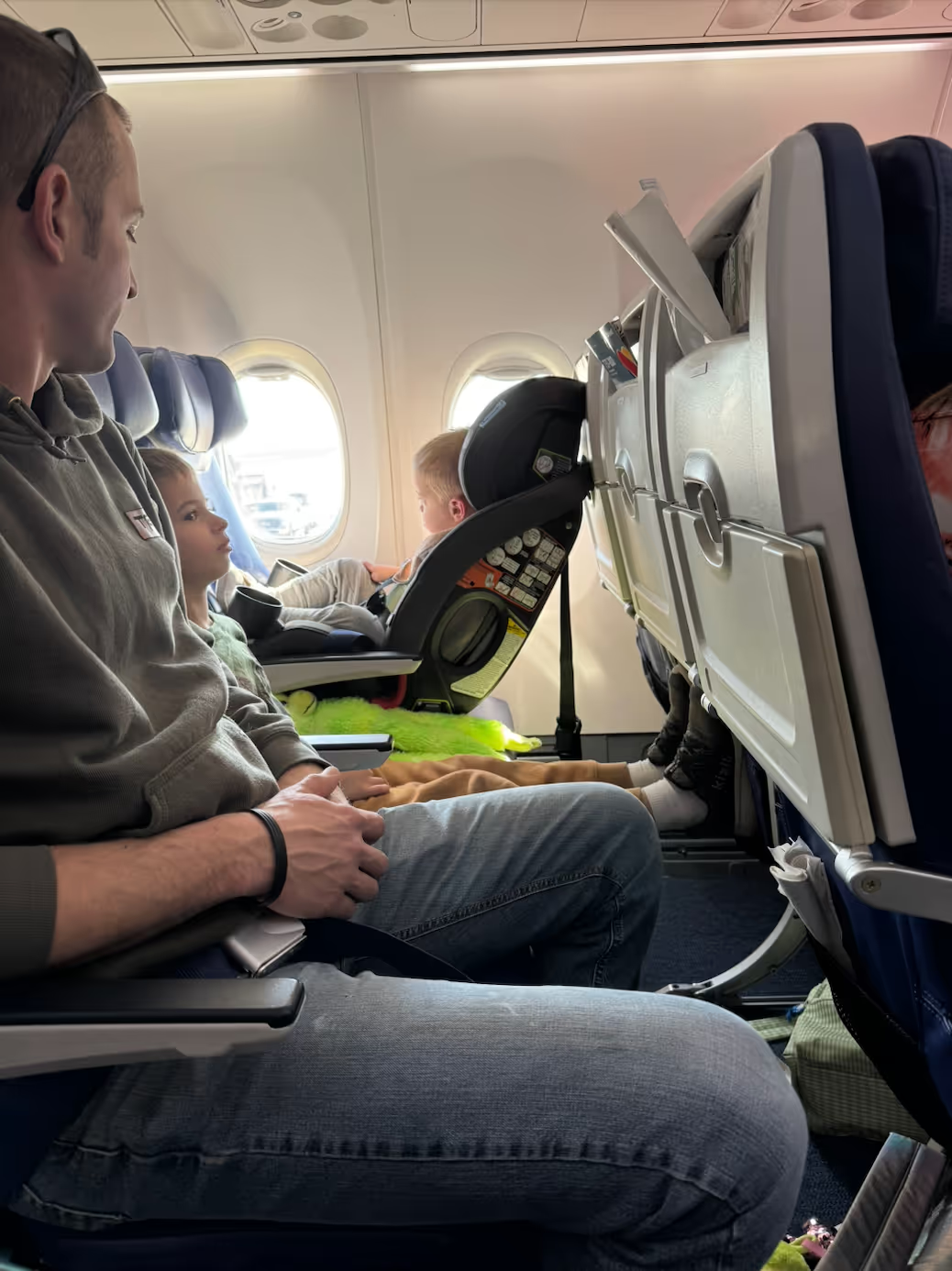
Infant Seats
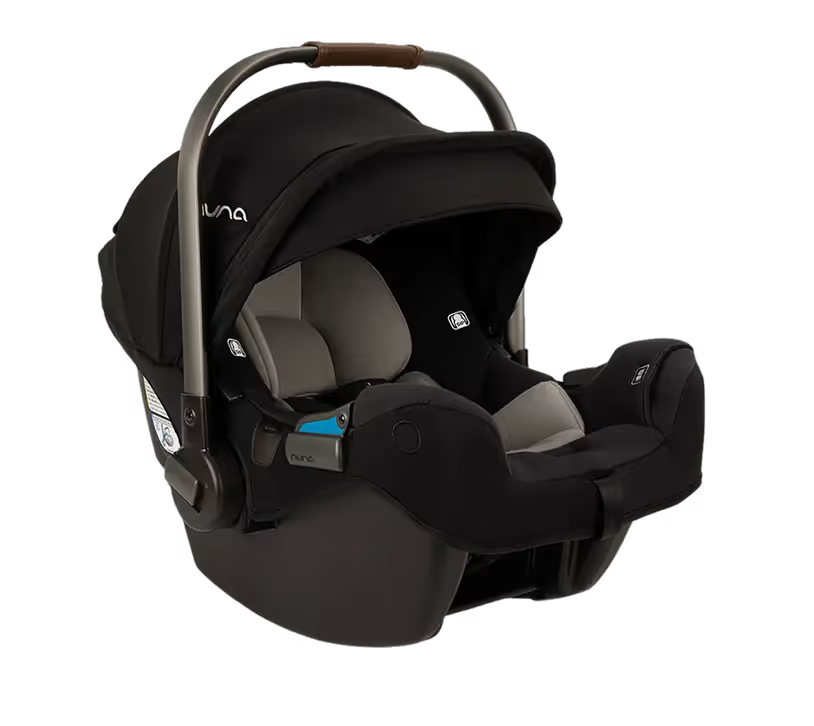
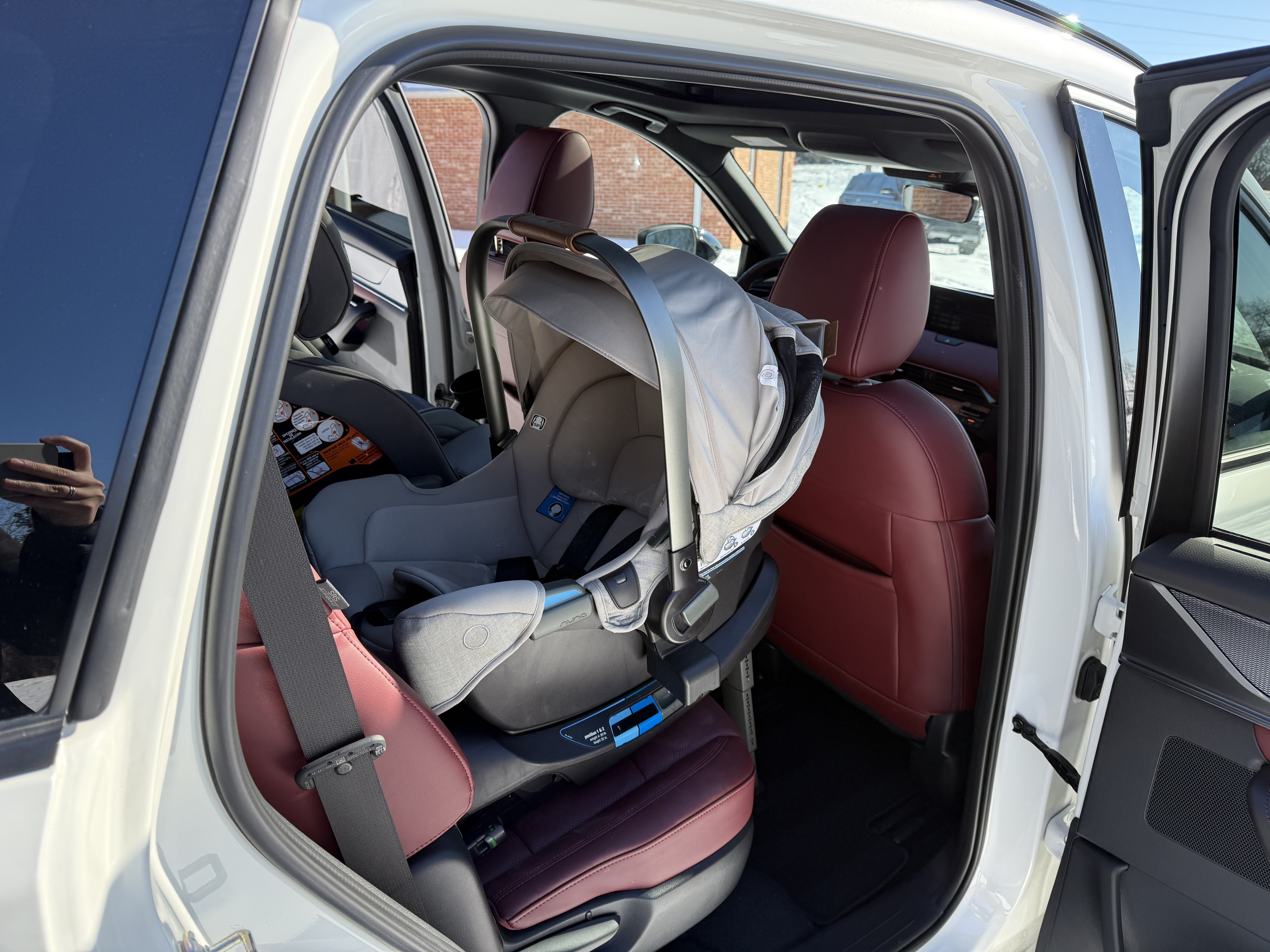
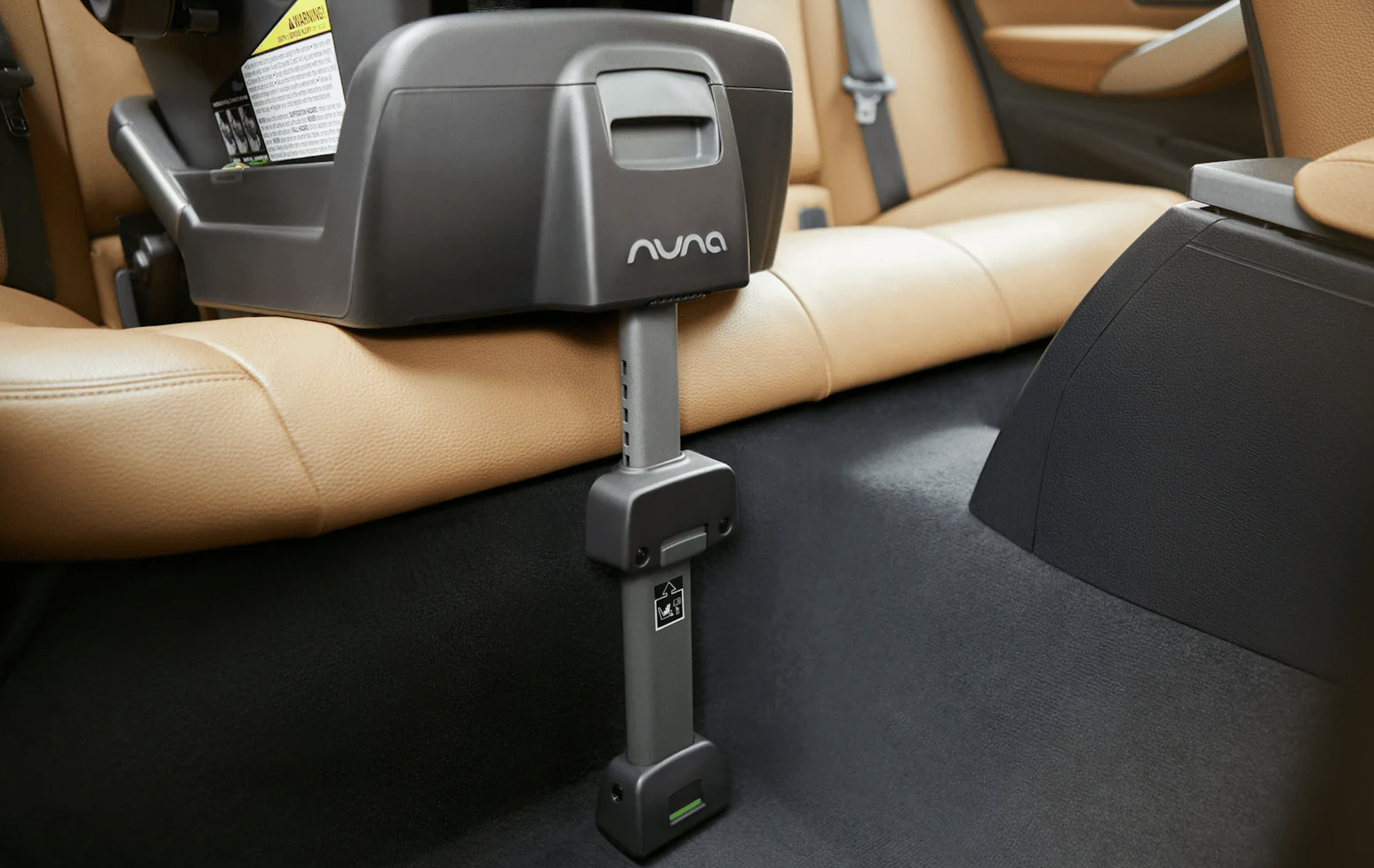
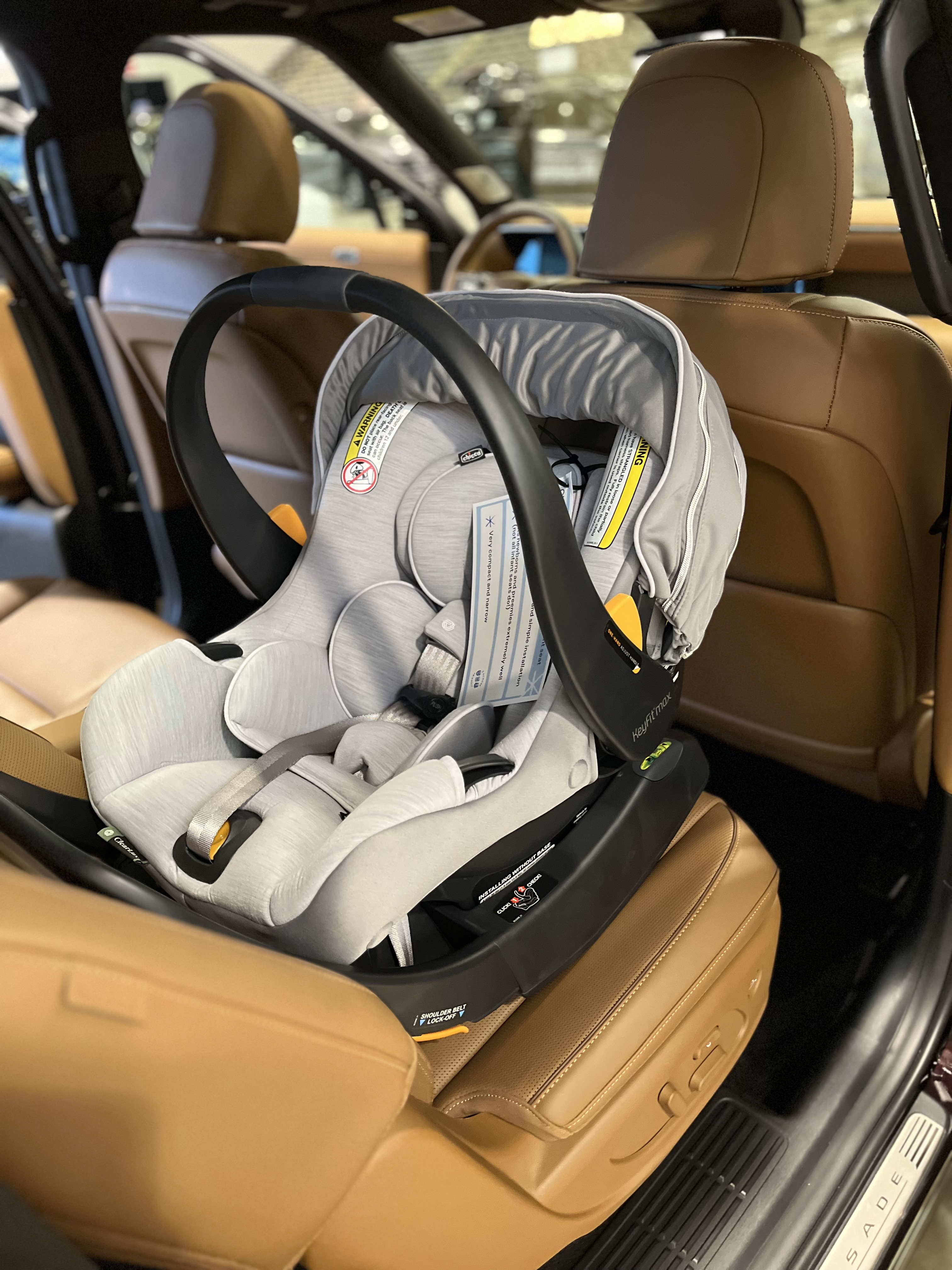
When looking for an infant travel car seat, I highly recommend choosing a seat that is baseless. Here are the options I recommend:
Their compact designs and lightweight builds make them easy to carry andi install. Nothing is worse than travelling with a base!
Infant Car Seats
- Nuna PIPA RX:
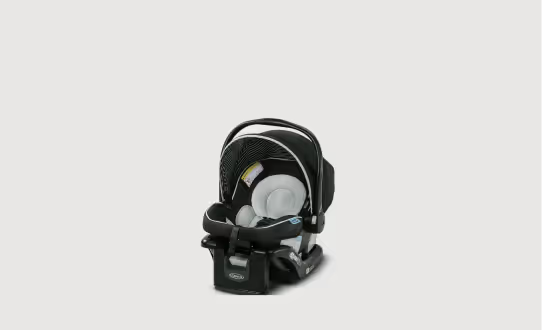
- Graco GoMax
- Joie Mint Latch: a baseless seat with a rigid latch ideal for traveling and ride shares
- Evenflo Shyft DualRide: Great for families who travel frequently because it's a stroller/car seat combo!
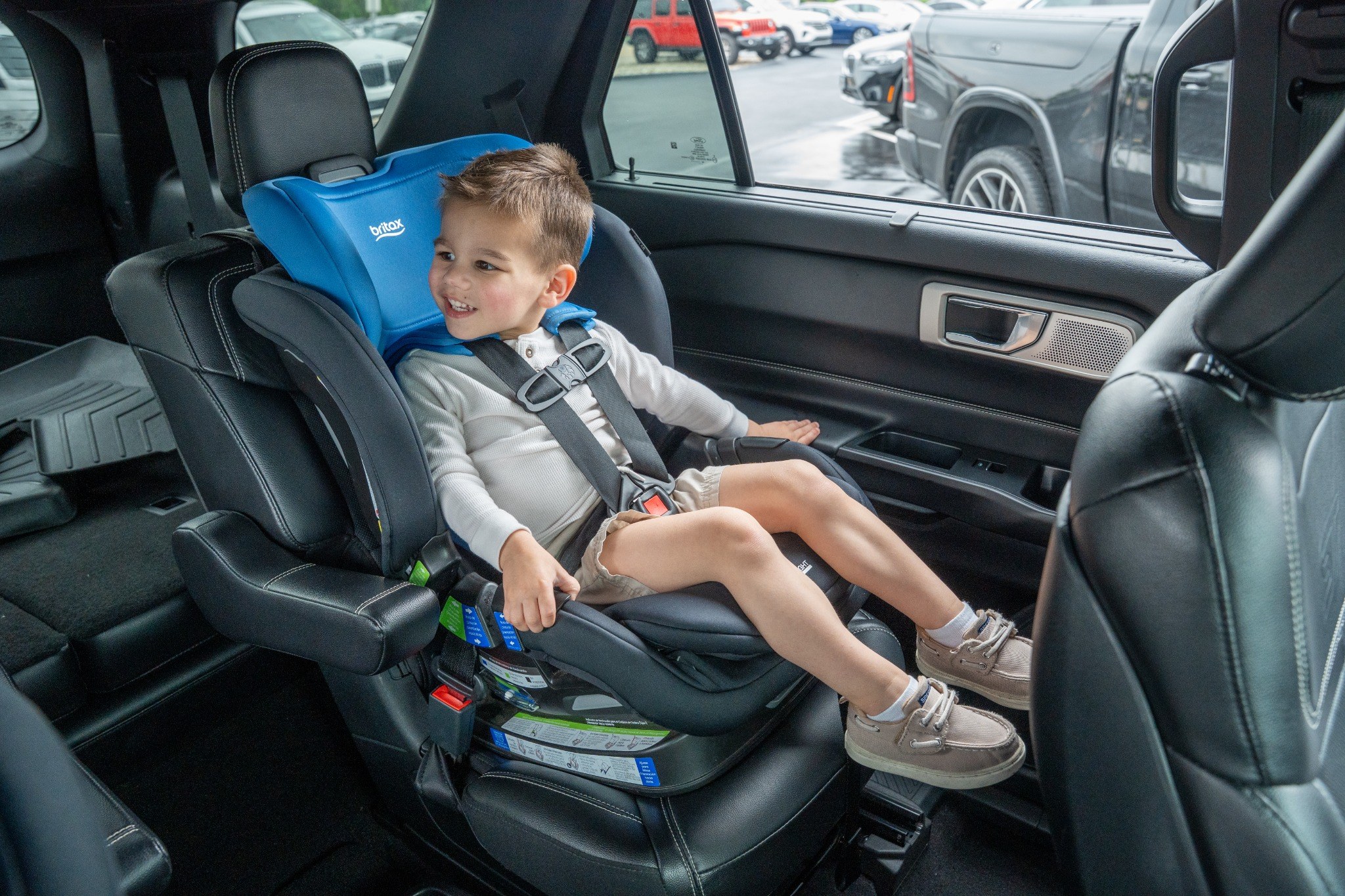
Convertible Car Seats
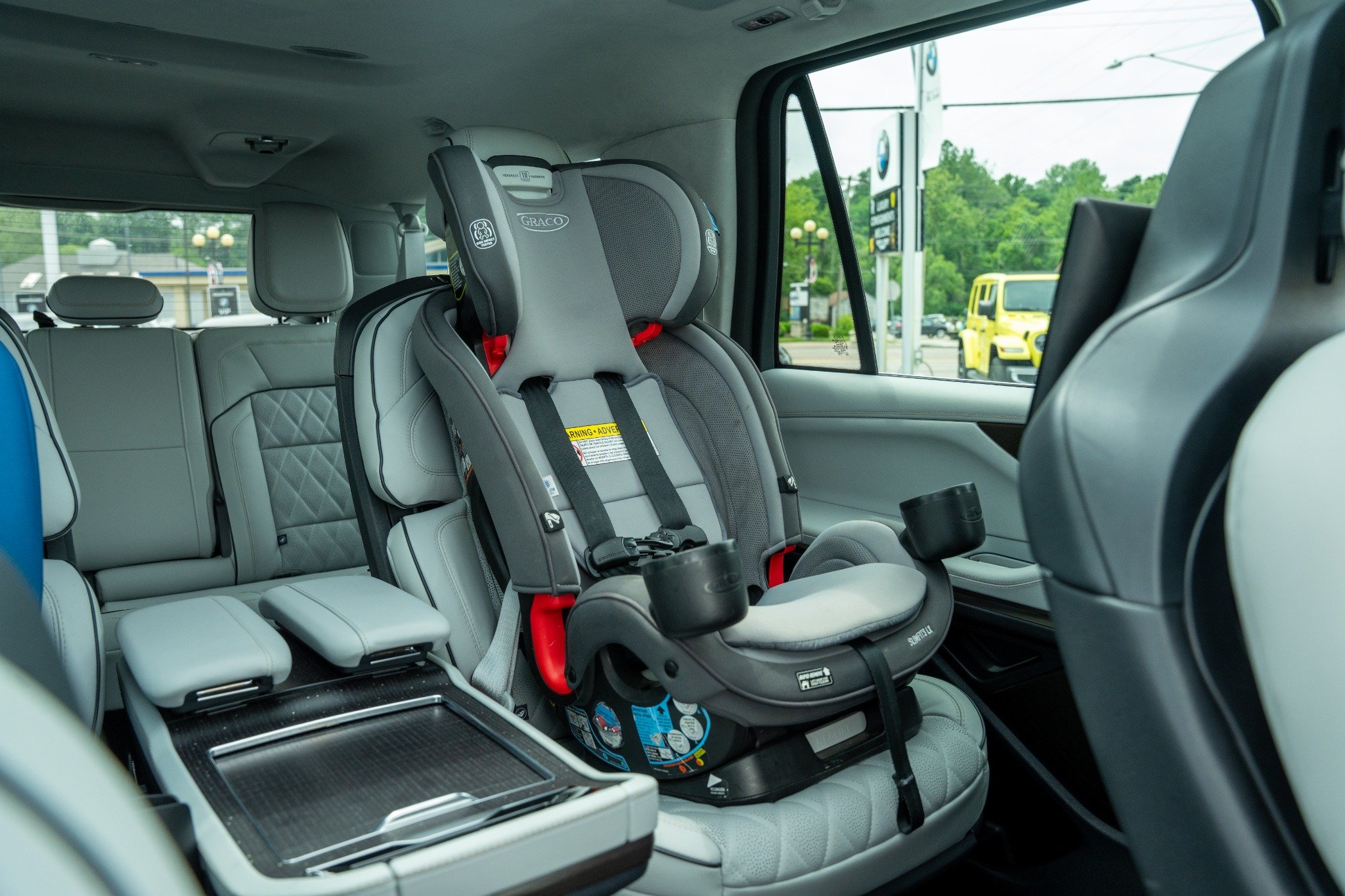
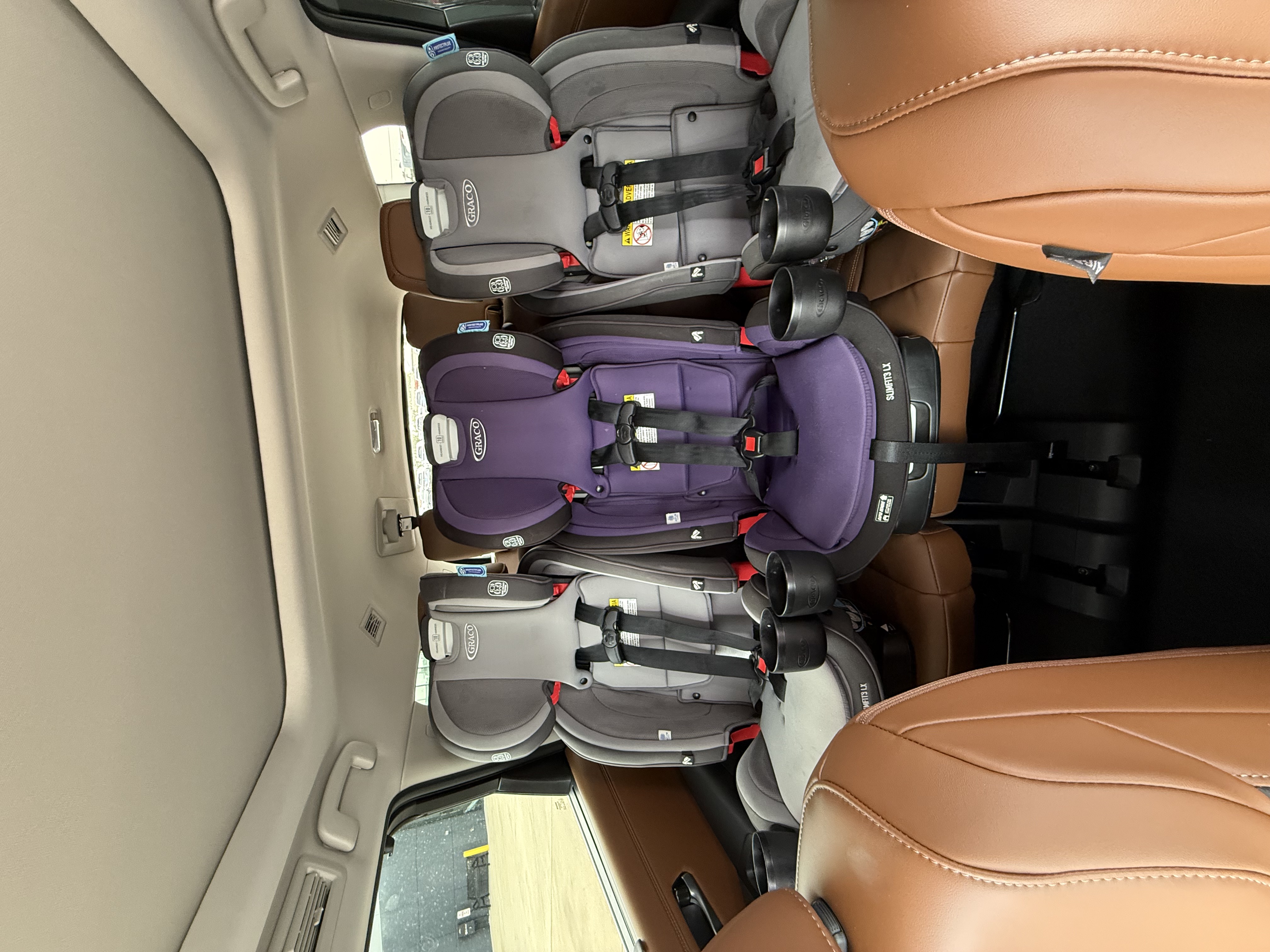
- Graco SlimFit 3 LX: Extended rear-facing capacity, perfect for long flights.
- Graco Contender Slim: This seat has a closed belt path, meaning the airplane belt buckle won’t push through the fabric and bother your child.
- Cosco Scenera Extend: This updated version of the Cosco Scenera Next is the most lightweight, convertible seat.
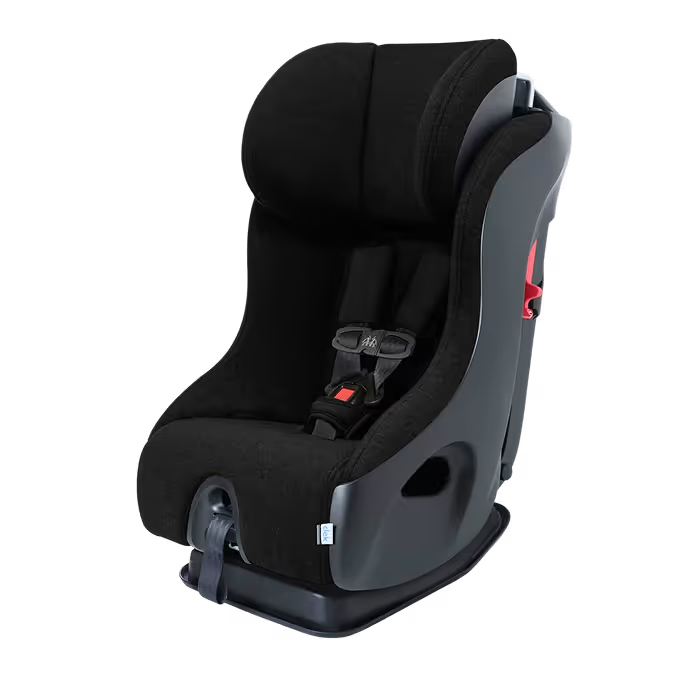
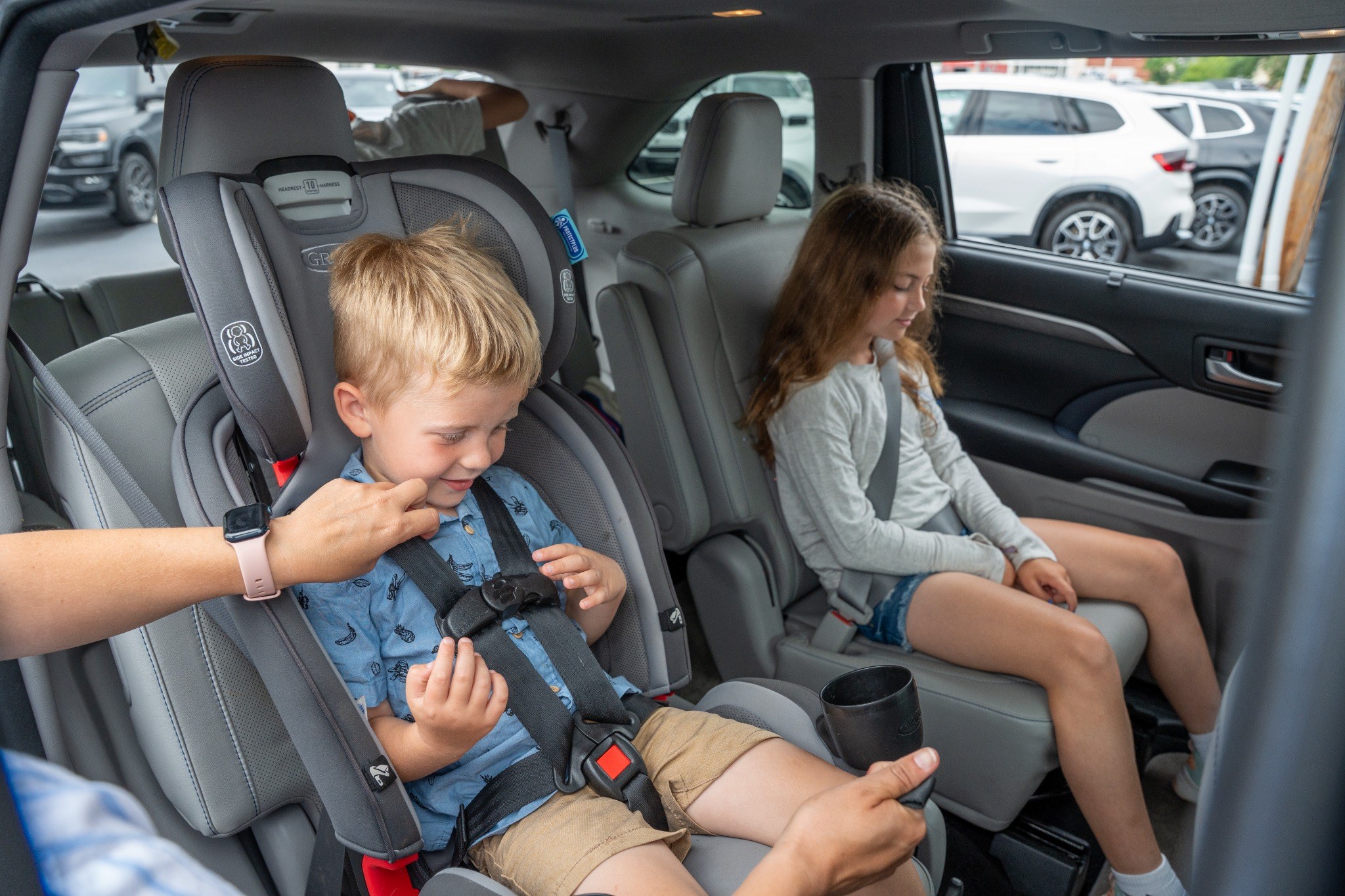
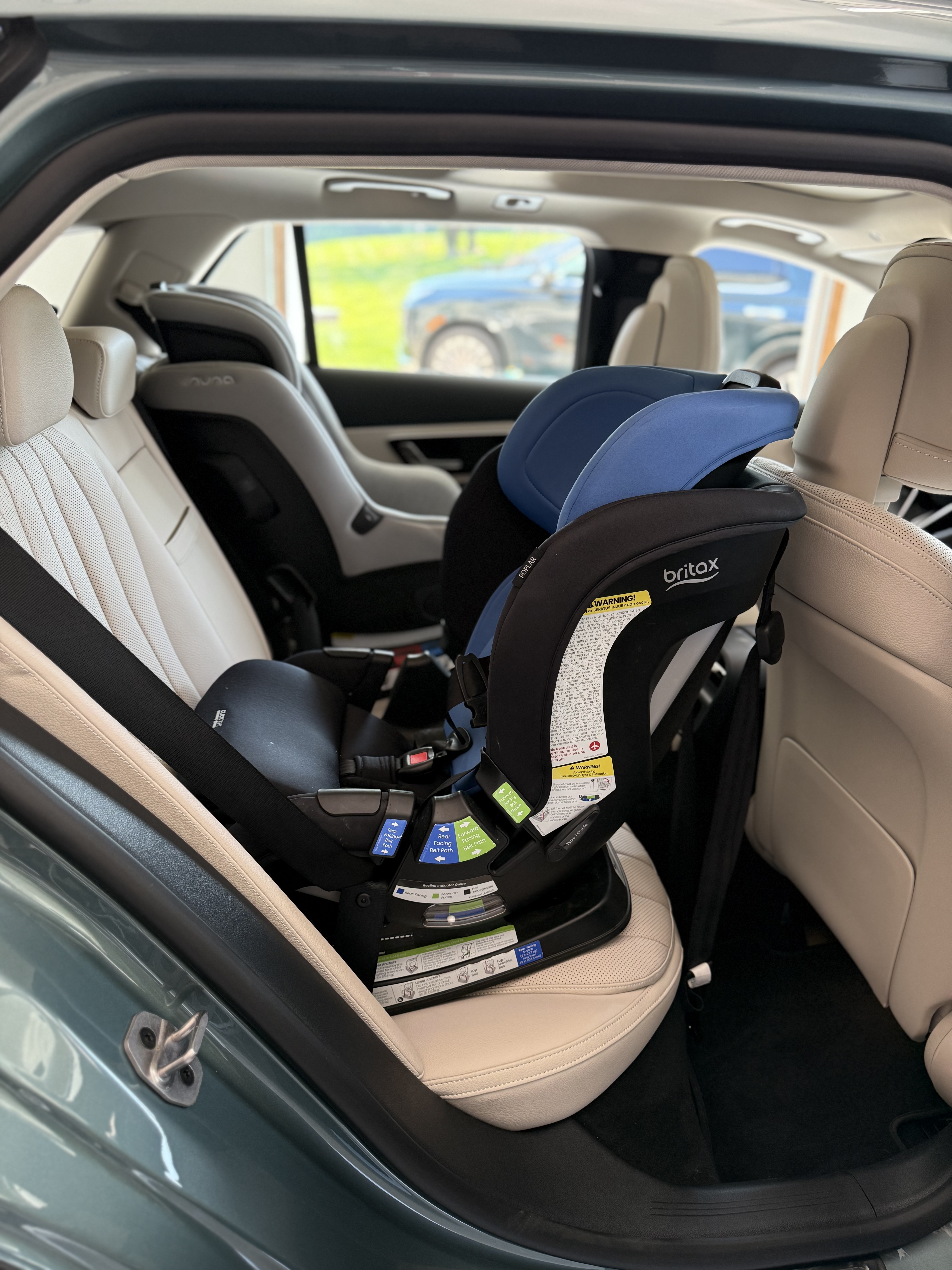
Convertible seats can be rear- or forward-facing, so they’ll last through multiple stages of your child’s growth. They’re great if you don’t want to buy a separate travel seat.
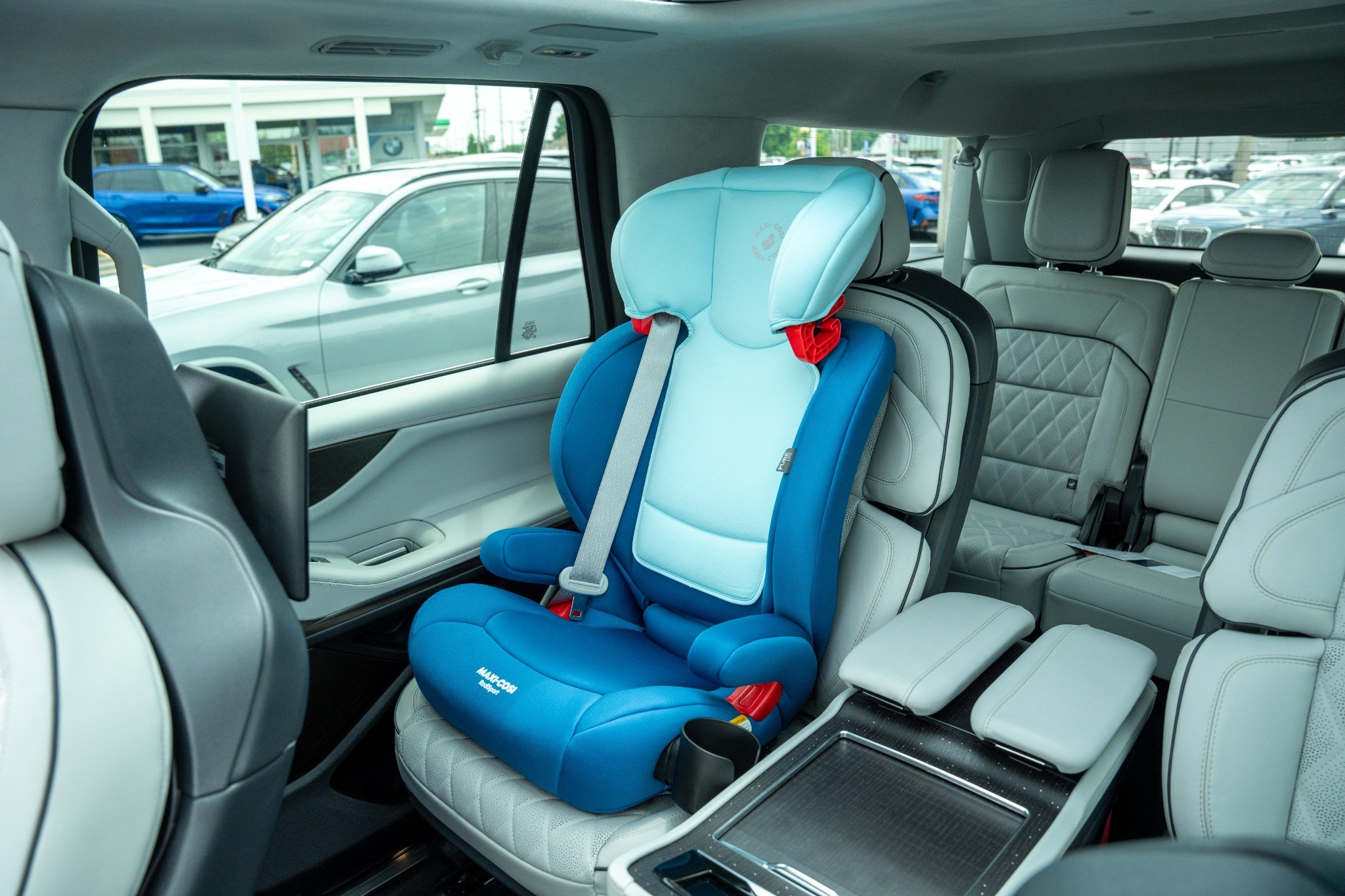
Boosters
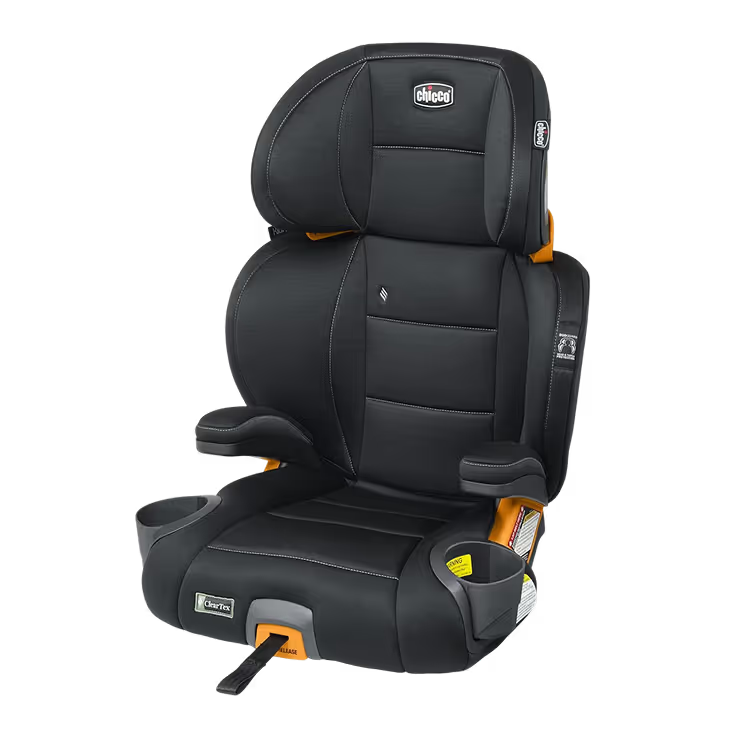
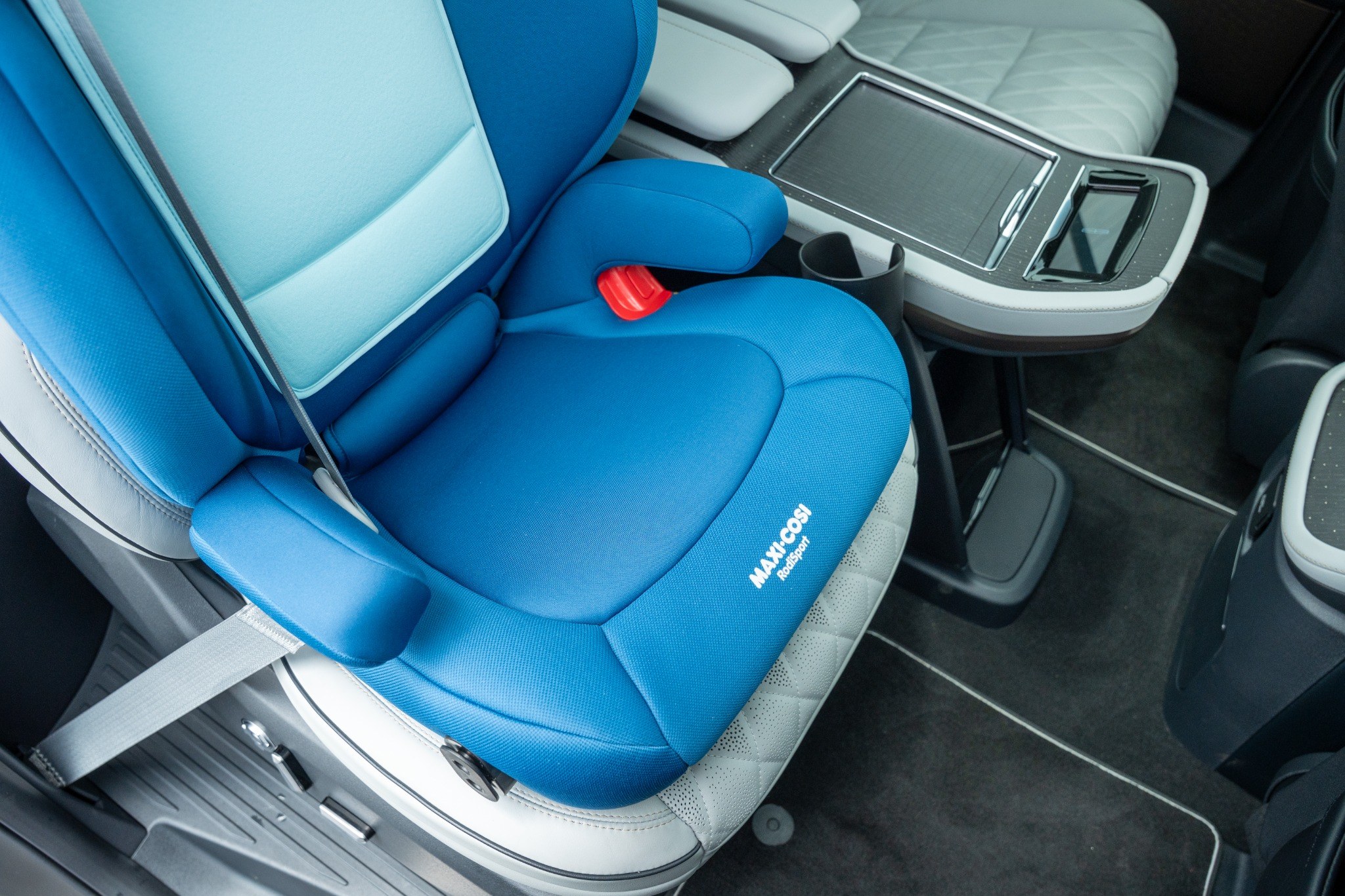
No boosters are FAA-approved since they require lap-and-shoulder belts, which are unavailable on planes. However:
- Peg Viaggio Flex 120: Folds compactly for easy storage in overhead bins.
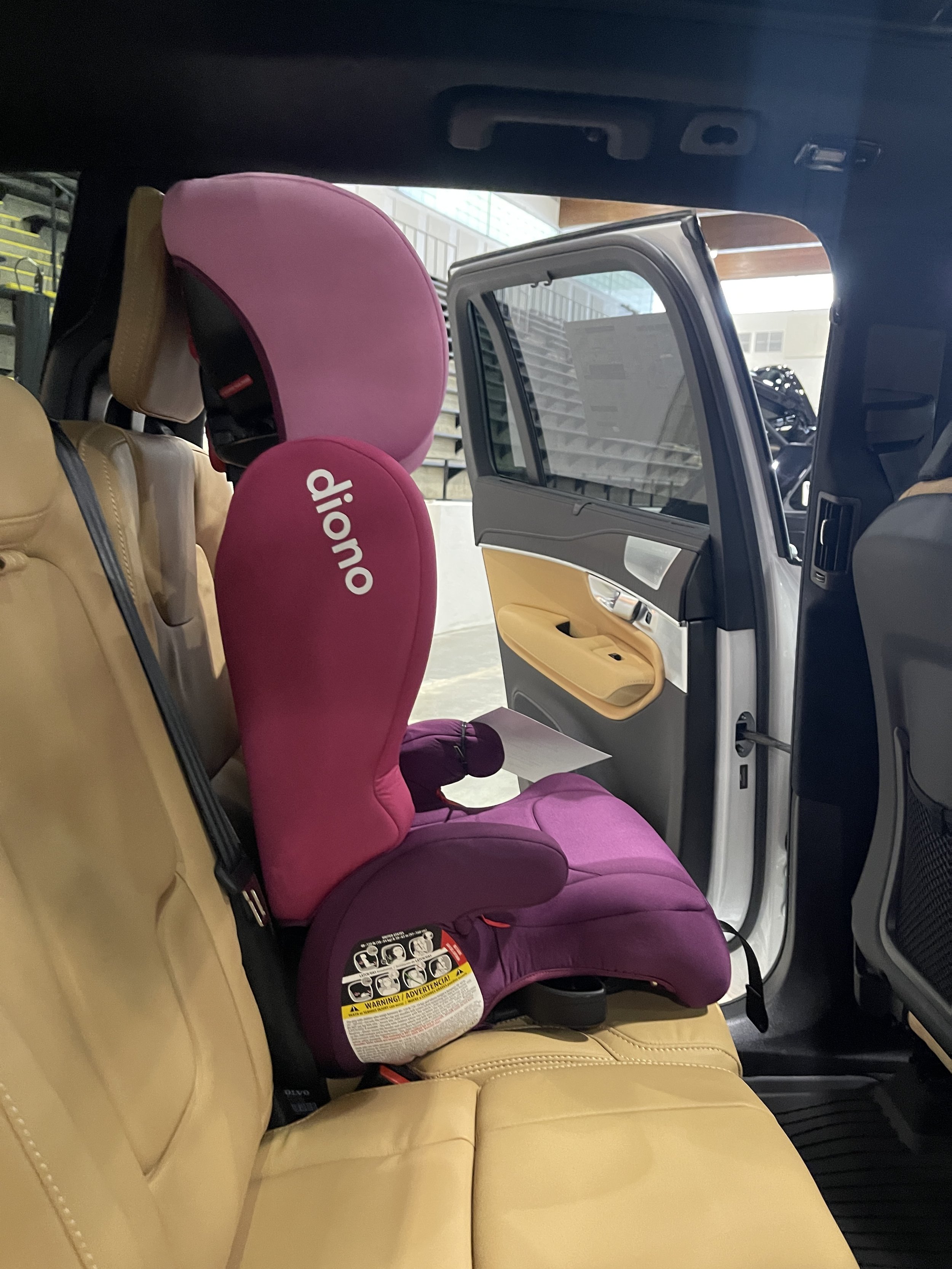
- Cosco Rise: Lightweight backless booster that fits well in backpacks for easy transport
Air Travel Tips For Car Seats
Traveling with a car seat doesn't have to be stressful. A little planning can make your trip much smoother.
Choose Direct Flights When Possible
Fewer connections mean fewer chances for delays, lost luggage, or your car seat being damaged during transit.
Bring Your Car Seat Onboard If You Can
Using your child's car seat on the plane is the safest option and helps keep them comfortable in a familiar seat. If you plan to use it onboard, practice the installation at home before your trip.
Gate-Check Instead Of Checking At The Counter
If your child is traveling as a lap infant or you won't be using the seat on the plane, gate-checking is typically the better option. It reduces handling and lowers the risk of damage compared to checking it with your luggage.
Protect Your Car Seat
Most airlines allow car seats to be gate-checked for free, but it's always worth confirming their policy before you travel. If you plan to gate-check your seat, consider using a travel bag to help protect it from dirt and rough handling.
The Best Car Seat For Travel Is What You Feel Comfortable Using!
Traveling with young children definitely requires extra preparation—but having the right gear makes all the difference between feeling overwhelmed versus confident and relaxed during your trip. A lightweight travel-friendly car seat isn't mandatory but can reduce hassle when navigating airports, taxis, rental cars—or even public transportation abroad.
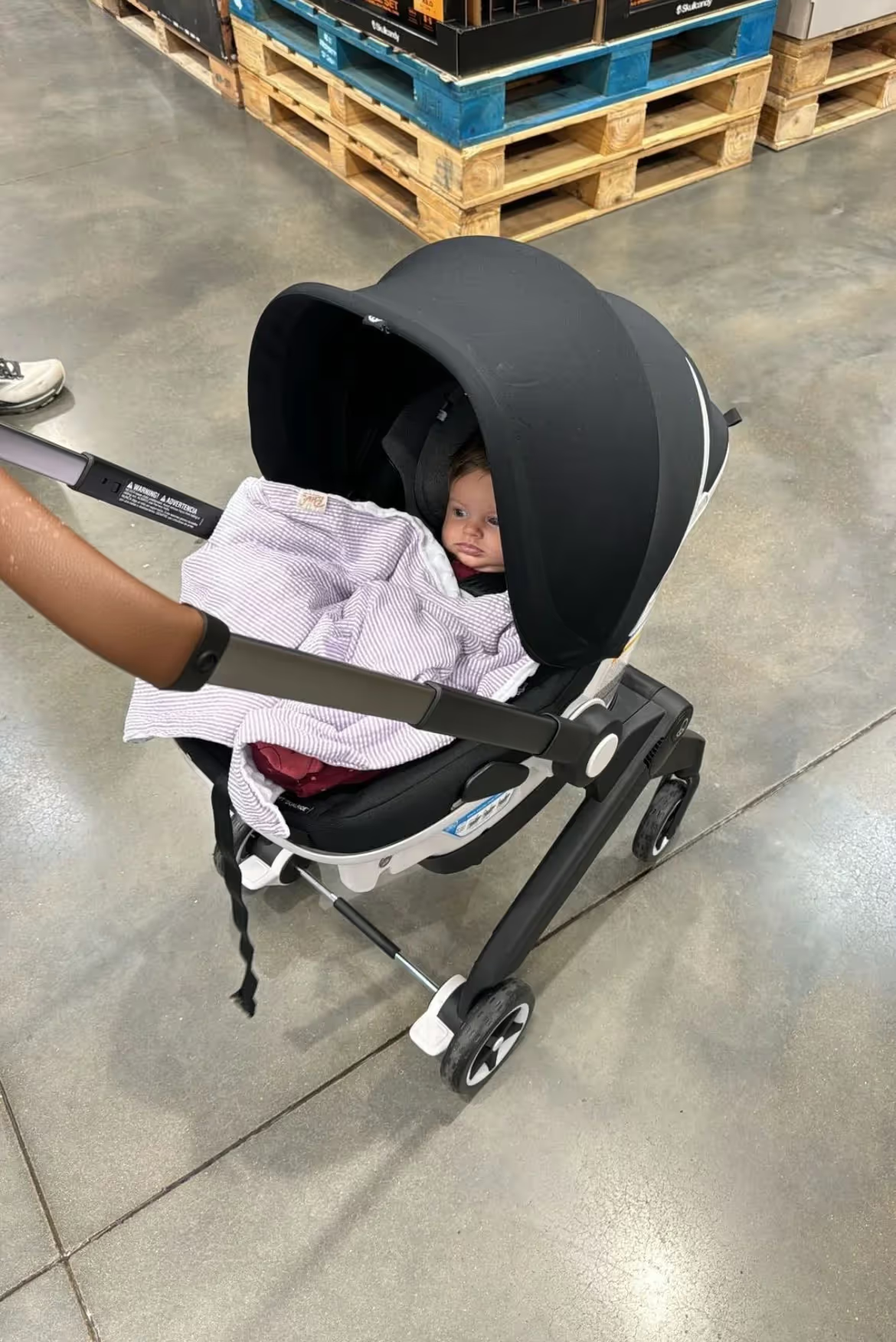
At the end of the day though, whether you choose an everyday model or go for something more portable depends entirely on what works best for your family’s needs. My family does fine with normal car seats, but everyone is different. The most important thing is ensuring whatever option you pick meets safety standards while fitting comfortably into your overall travel plans.
Relevant Articles





Reach out & let’s get started
Whether you're comparing models, prepping for the dealership, or looking for car seat recommendations, we’re here to help.