

.jpg)
.jpg)

.jpg)








When Do Car Seats Expire? Ask A CPST
Car Seats

Quick Answer: Do Car Seats Expire?
Yes. All car seats have an expiration date, and you should never use a seat after it expires. Most car seats last between 6 and 10 years, depending on the manufacturer and model. Even if a seat looks perfectly fine, the materials can degrade over time, safety standards change, and replacement parts may no longer be available.
As a Child Passenger Safety Technician (CPST) and mom of four, I completely understand how confusing this topic can be. You might have a seat that looks perfectly fine—no cracks, no visible damage—but still has an expiration date stamped on it. So what's the deal?
If you're new here—welcome! I'm Kelly The Car Mom. Helping families navigate car seat safety (and all things cars!) is my thing. My goal is to clear up confusion and give you straightforward answers so you can feel confident every time you buckle up your kids.
Today we're diving into everything you need to know about car seat expiration dates. Why do they expire? How long do they last? And what should you do once yours hits its expiration date? I'll also share some important tips on how to keep your seat in great shape—and common mistakes that can ruin a seat long before it's set to expire.
Why Do Car Seats Have Expiration Dates?
Car seats aren't just hunks of plastic—they're carefully engineered safety devices designed to protect your child in a crash. Even if a seat looks perfectly fine on the outside, years of use and exposure can affect how well it performs in a collision.
There are a few reasons manufacturers put expiration dates on car seats:
- Materials degrade over time due to heat, sunlight, and everyday wear.
- Safety standards evolve as new research and crash-testing become available.
- Replacement parts become harder to find for older models.
- Expiration dates help remove older recalled seats from circulation.
Where To Find Your Car Seat's Expiration Date
Finding your car seat's expiration date is usually pretty straightforward:
- Check the bottom or back of your seat: Most manufacturers put a sticker or stamp with the expiration date clearly listed.
- Look in your manual: If you can't find it on the seat itself, check the owner's manual—it'll be listed there.
- Contact the manufacturer: If you're still unsure, reach out directly to the company with your model number—they'll help you pinpoint exactly when your seat expires.
How Long Do Car Seats Typically Last?
Always double-check your specific seat's manual or label for exact information, and while it varies slightly by brand, here's a general guideline:
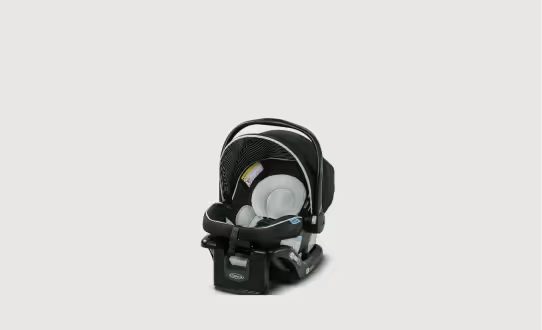
- Infant car seats: Typically expire after about 6–7 years.
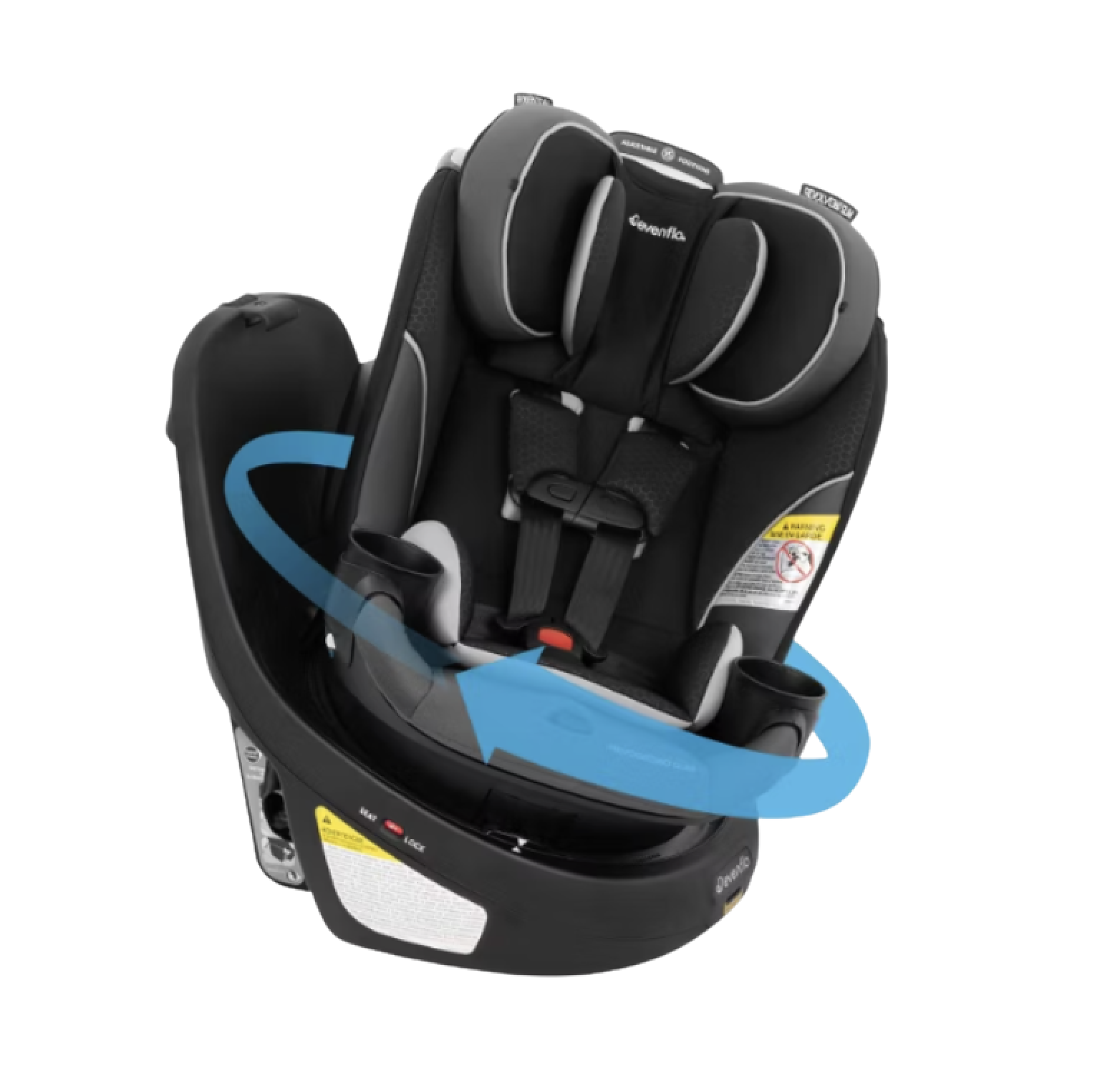
- Convertible car seats: Usually good for around 7–10 years.
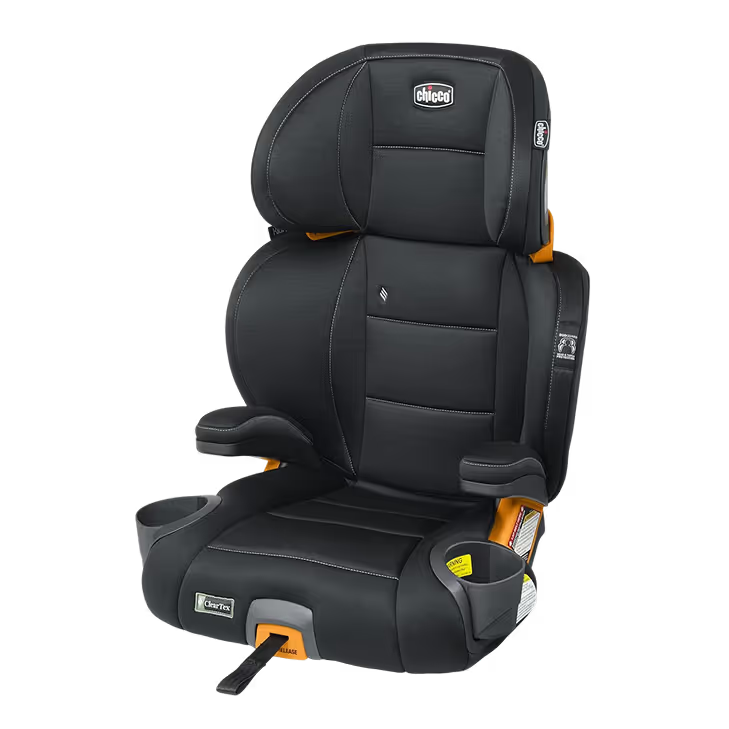
- Booster seats: Often last around 6–10 years.
Quick tip for new parents: Hold off on buying a convertible car seat when setting up your baby registry. Stick with an infant seat first, and when it’s time to transition, you’ll have a better idea of what works best for your car and lifestyle—plus, you’ll maximize the use of the convertible seat!
What Happens When A Car Seat Expires?
A common question I hear is, "If the seat looks fine, does the expiration date really matter?"
The answer is yes.
A car seat can look perfectly normal while the materials inside have weakened over time. Plastic components may become more brittle, foam can deteriorate, and the seat may no longer meet current safety recommendations or crash-testing standards.
There's also the practical issue of manufacturer support. Once a seat has expired, replacement parts may no longer be available if something breaks or gets lost.
The bottom line? Using an expired car seat simply isn't worth the risk.
What To Do With An Expired Car Seat
Once your car seat reaches its expiration date, it's time to retire it—even if it still looks perfectly fine.
I know it can feel wasteful to throw away a seat that appears to be in good condition, but an expired car seat should never be donated, sold, or passed along to another family. Someone else may not realize it's expired and could unknowingly use a seat that no longer meets safety recommendations.
Here are the best ways to dispose of an expired car seat:
1. Save it for a Target Car Seat Trade-In Event
This is my favorite option. Target periodically hosts car seat trade-in events where you can bring in an old or expired car seat and receive a coupon for 20% off a new car seat, stroller, or other eligible baby gear. If you know you'll be purchasing baby gear in the future, it can be worth holding onto the seat until the next event.
2. Recycle it if your area offers a program
Some communities have recycling programs that accept car seats and separate the materials for proper disposal. Availability varies by location, so check with your local recycling provider to see if this is an option.
3. Throw it away—but make it unusable first
If a trade-in or recycling program isn't available, dispose of the seat in the trash. Before you do, make sure it can't accidentally be reused by another family:
- Cut the harness straps.
- Remove any padding or fabric.
- Dispose of the seat.
No matter which option you choose, the goal is the same: make sure an expired car seat doesn't end up back in circulation.
Keep Your Car Seat In Good Condition
The best thing you can do for your car seat is use and care for it according to the manufacturer's instructions.
One of the most common ways parents accidentally damage a car seat is during cleaning. Using products or cleaning methods that aren't approved by the manufacturer can weaken materials and affect how the seat performs in a crash.
Before cleaning your car seat, always check the owner's manual and follow the manufacturer's recommendations. When in doubt, contact the manufacturer directly for guidance.
When To Replace A Car Seat
Expiration isn't the only reason a car seat may need to be replaced.
In general, you should replace your car seat if:
- The seat has expired.
- The seat has been involved in a crash or collision.
- The seat has visible damage, such as cracks, broken parts, or frayed harness straps.
- The seat has been cleaned or treated in a way that goes against the manufacturer's instructions and may have compromised its safety.
If you're ever unsure whether a car seat is still safe to use, contact the manufacturer. Most car seat manufacturers have excellent customer service teams and can help you determine whether a seat is still usable based on your specific situation.
When it comes to car seat safety, it's always better to ask questions than make assumptions.
Car Seat Expiration Dates Aren't Just Suggestions! Take Them Seriously.
Car seats have expiration dates for good reasons—and following them helps ensure your kids stay protected every time they're buckled up. By understanding why these dates exist and how to properly care for your seat throughout its lifespan, you'll feel confident knowing you're doing everything possible to keep them safe on every ride.
Related Car Seats
.jpg)
Relevant Articles






















Reach out & let’s get started
Whether you're comparing models, prepping for the dealership, or looking for car seat recommendations, we’re here to help.