
.jpg)
.jpg)

.jpg)



What Are Tether Anchors For Car Seats? Ask A CPST
Car Seats
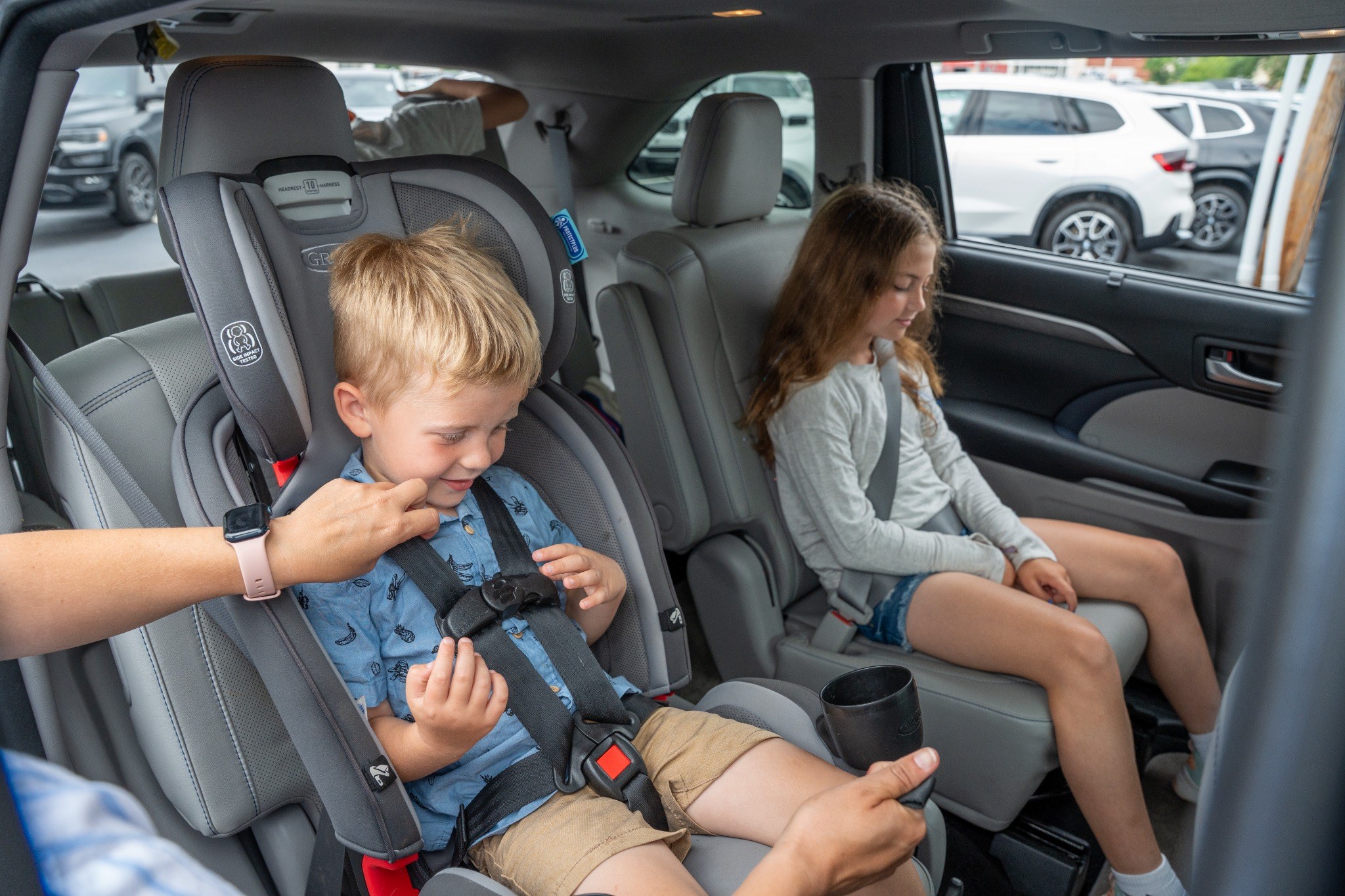
If you’ve ever looked at the strap hanging off the back of your child’s car seat and wondered, what “What the heck is this for?”– you’re not alone. That strap, called a tether, connects to a tether anchor in your car—and it’s one of the most important safety features in modern car seat installation.
Here’s the surprising part: many parents either don’t use the tether strap at all or attach it incorrectly. As a Child Passenger Safety Technician (CPST) and mom of four, I can tell you that skipping this step could mean the difference between minor injuries and something far more serious in the event of a crash.
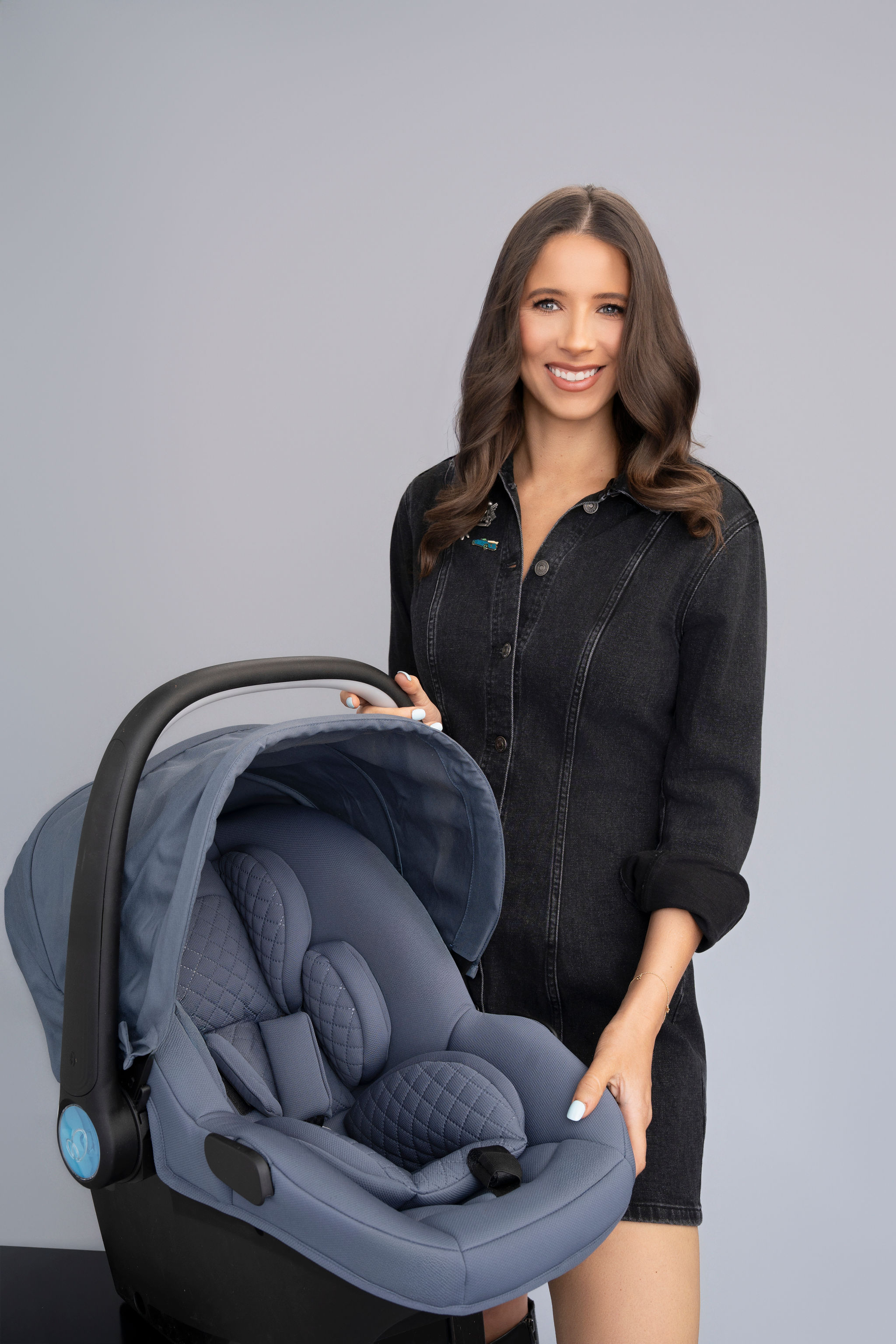
If you’re new here—welcome! I’m Kelly The Car Mom, and helping families navigate car seat safety is my thing. My goal is to simplify all the confusing parts of car seat installation so you can feel confident every time you buckle up.
What Is A Tether Anchor?
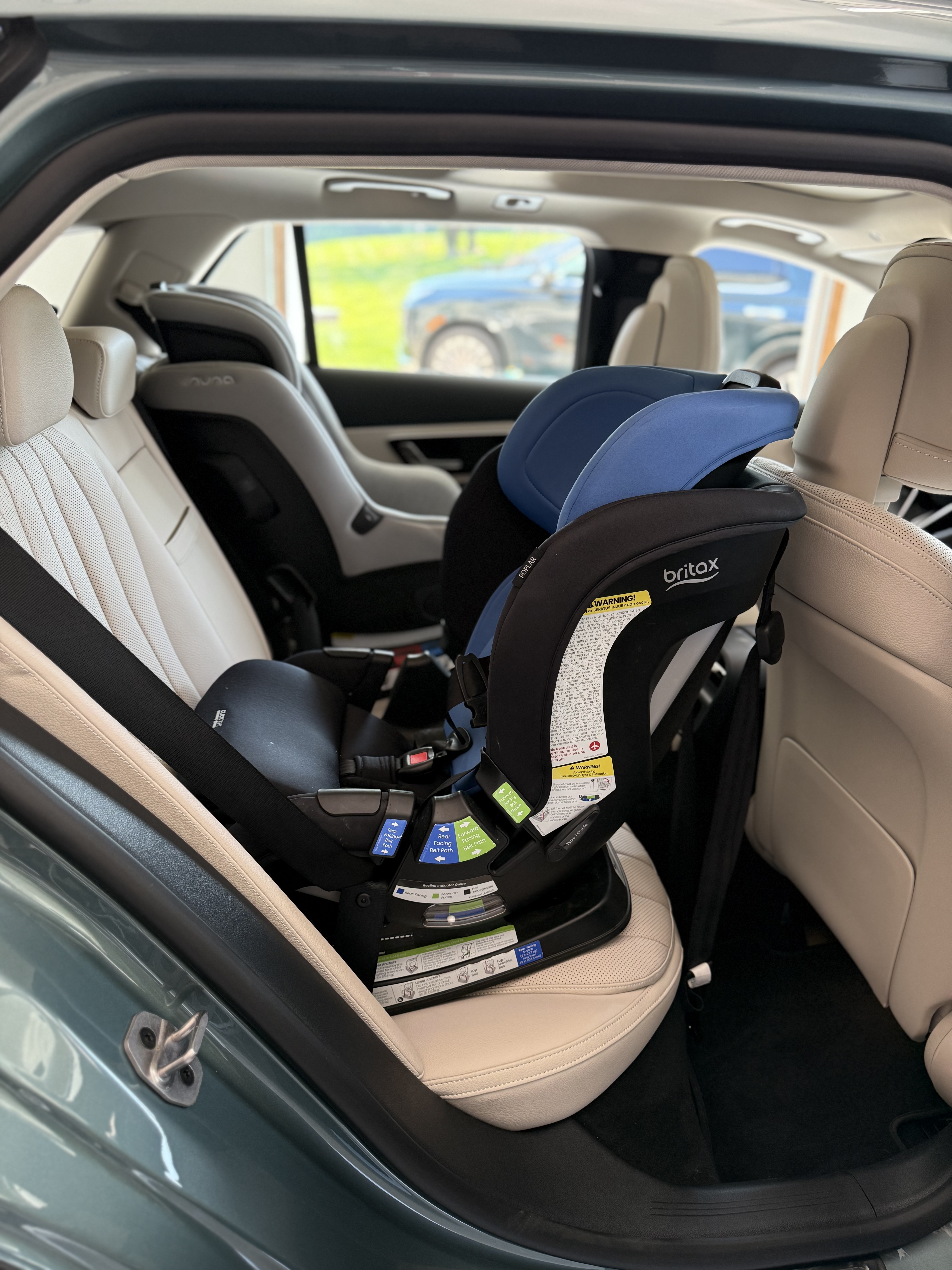
A tether anchor is a designated attachment point in your vehicle that connects to the tether strap on a forward-facing car seat. When used correctly, the tether helps limit how far the car seat moves forward in a crash, reducing the risk of head and neck injuries.
Most vehicles manufactured after 2002 have tether anchors, although not in every seat, and they should always be used when installing a forward-facing car seat.
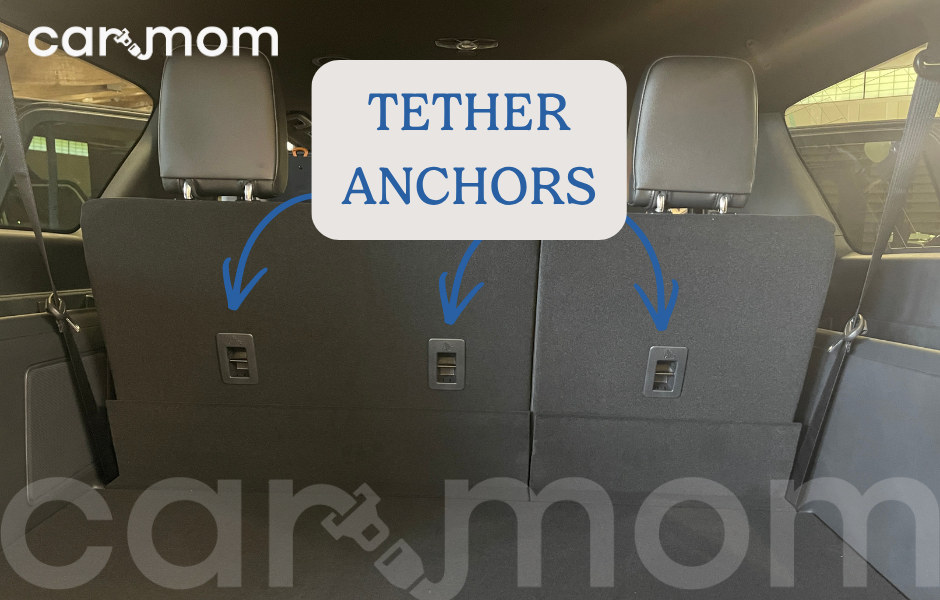
You’ll find tether anchors in most cars manufactured after 2002. They’re typically located:
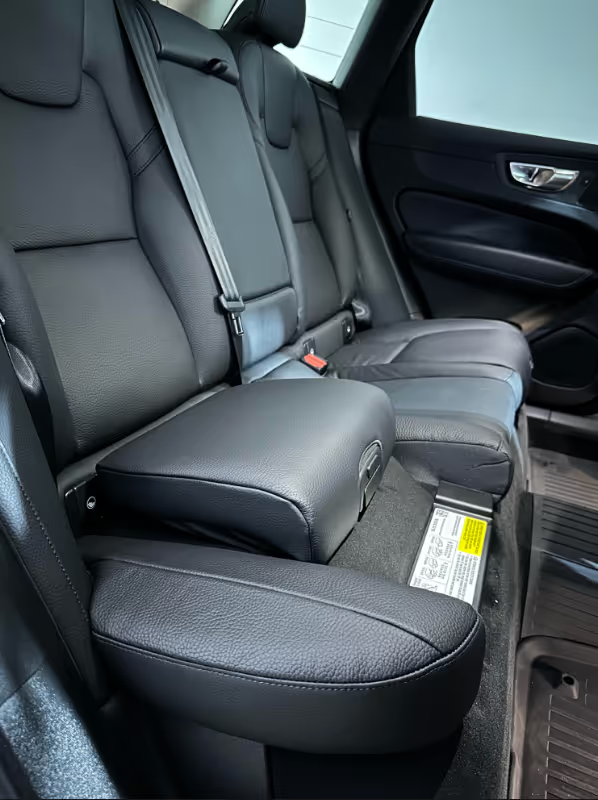
- On the back of the vehicle seat
- On the rear shelf behind the back seat (in sedans)
- On the ceiling or floor (in SUVs, vans, or trucks)
Look for a small symbol that looks like an anchor—it marks where your tether anchors are located. If you’re unsure, check your vehicle owner’s manual for exact locations.
Where Is A Tether Anchor In A Car?
One of the most confusing things about tether anchors is that they aren't always located in the same place.
Depending on your vehicle, you may find tether anchors:
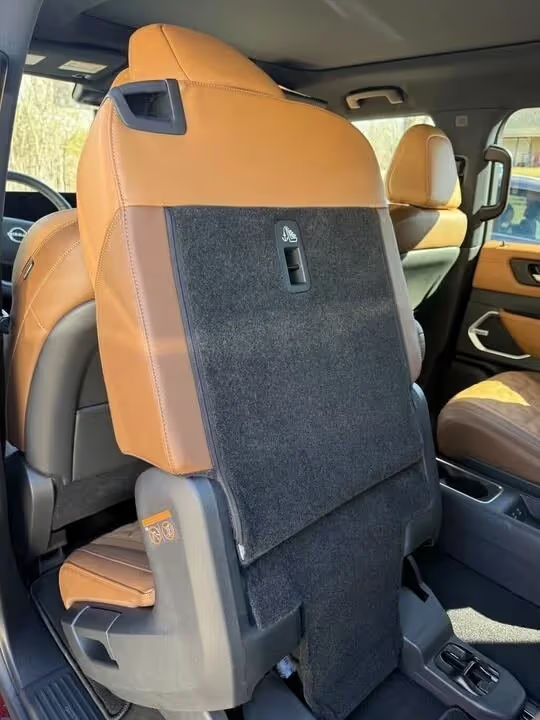
- On the back of the vehicle seat
- On the rear shelf behind the back seat in many sedans
Look for a small symbol that resembles an anchor. That's your clue that you've found the correct tether anchor location.
If you're having trouble finding it, don't guess. Some cargo hooks and tie-down points can look very similar to tether anchors but are not designed for car seat installation. Your vehicle owner's manual will show the exact location and identify which anchors can be used with a car seat tether.
Why Tether Anchor Placement Matters
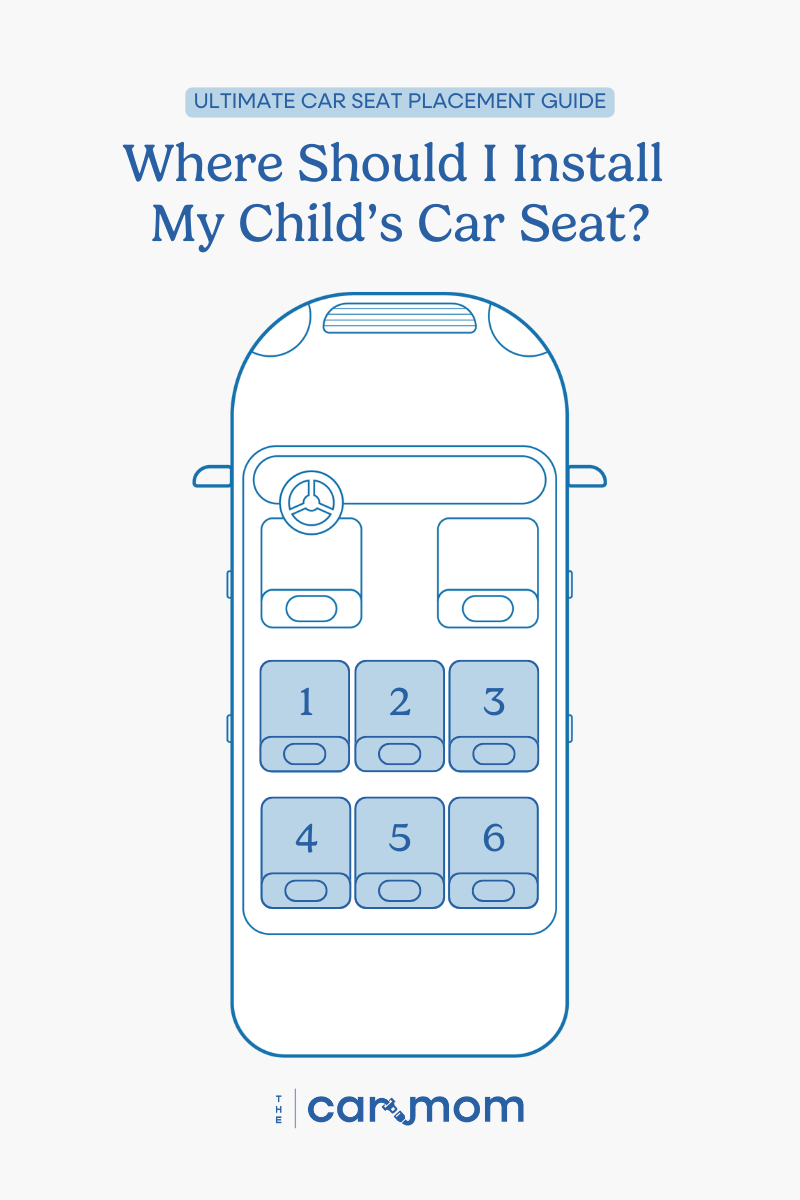
Here's something many parents don't realize: tether anchors aren't available in every seating position.
If your children are currently rear-facing, this may not seem important yet. But as your kids grow and transition to forward-facing car seats, tether anchor placement becomes a much bigger deal.
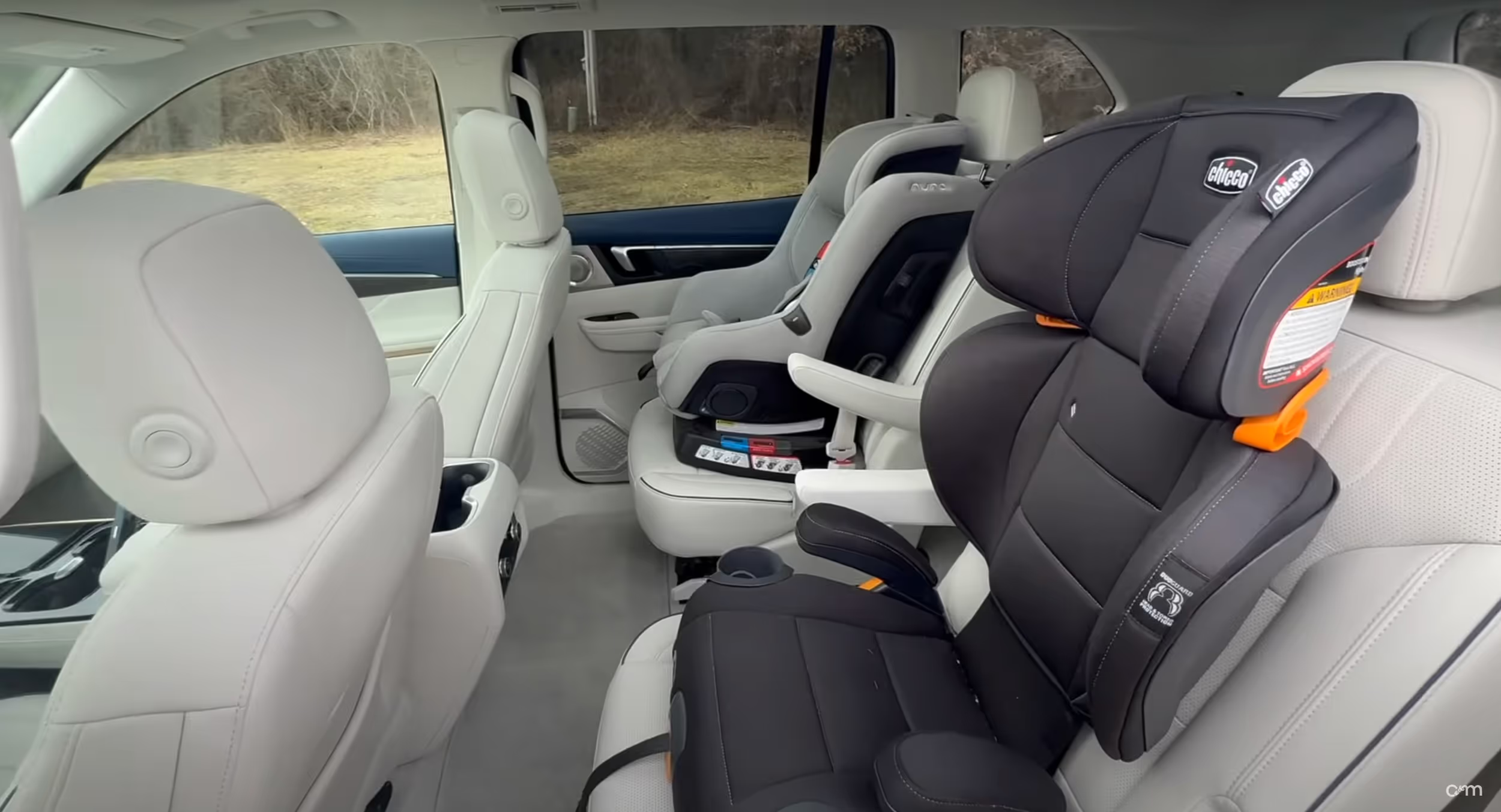
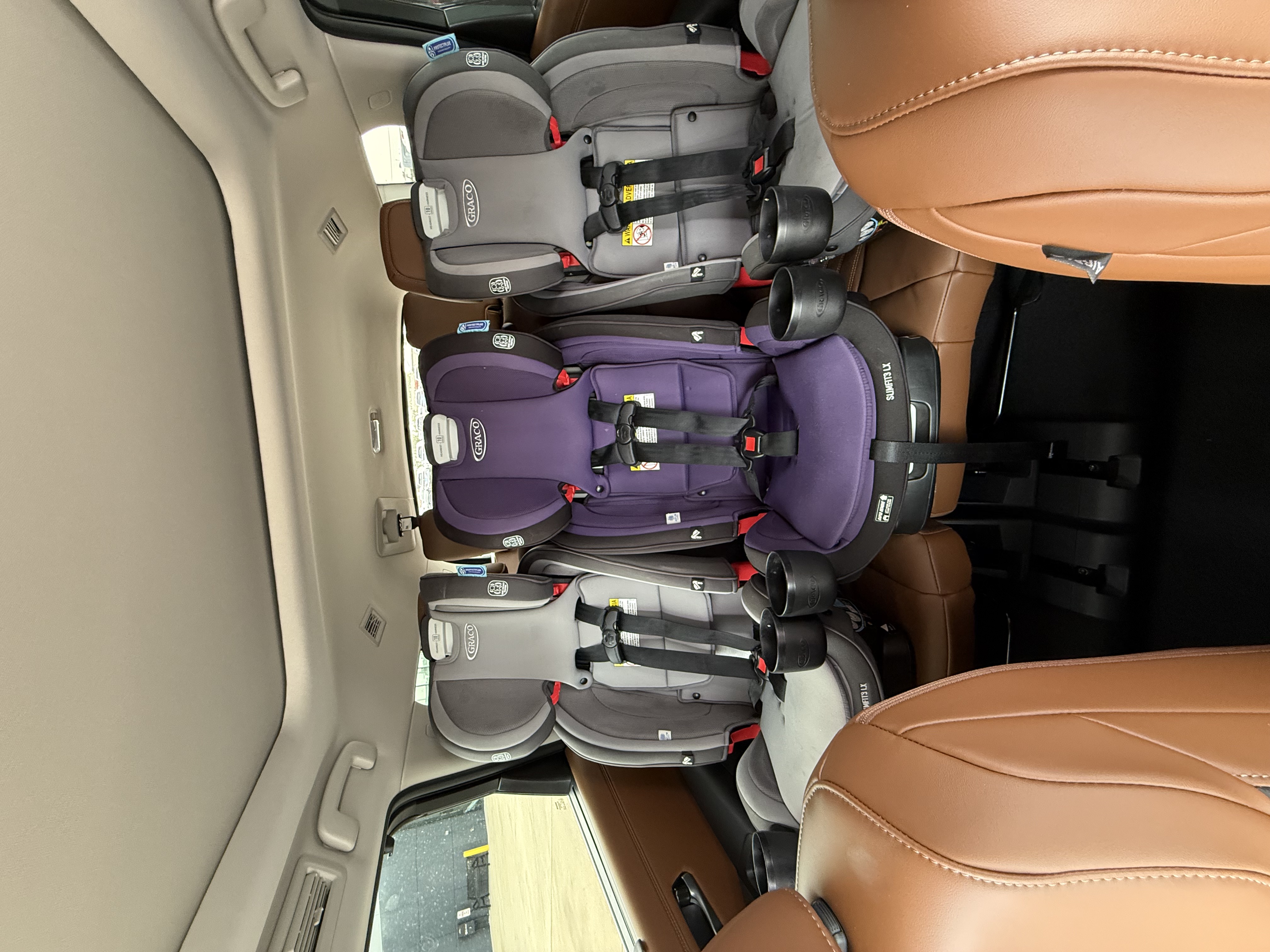
Some vehicles have tether anchors in every rear seating position, while others may be missing them in places where you'd expect to find them. That's why I always encourage families to check tether anchor locations before purchasing a vehicle, especially if they plan to use multiple forward-facing car seats.
This is also why we include LATCH maps in our vehicle reviews. They show exactly where tether anchors are located so you can understand which seating positions can safely accommodate a forward-facing harnessed car seat.
It's one of those details that's easy to overlook while car shopping, but it can have a huge impact on how well a vehicle works for your family long-term.
Why Every Forward-Facing Car Seat Needs A Tether Anchor
Tether anchors play a critical role in keeping your child safe during every ride. Without them, a forward-facing car seat secured only at its base can tip dangerously forward during a crash. This sudden motion can cause your child’s head to hit hard surfaces like the back of the front seat or even other passengers, leading to severe head or neck injuries.
Using a tether anchor reduces this forward movement by up to 4–6 inches, which may not sound like much, but can make all the difference in preventing serious injuries during a collision.
Here’s an important point: whether you’re installing a car seat using lower anchors (LATCH) or a seat belt, always attach and tighten the tether strap when using a forward-facing car seat—it’s not optional; it’s essential.
When To Use A Tether Anchor
Any forward-facing harnessed car seat should be attached to a tether anchor.
LATCH vs. Tether Anchors: What’s The Difference?
It’s easy to confuse lower anchors (the “LA” in LATCH) with tether anchors since they’re both part of the LATCH system, but they serve different purposes:
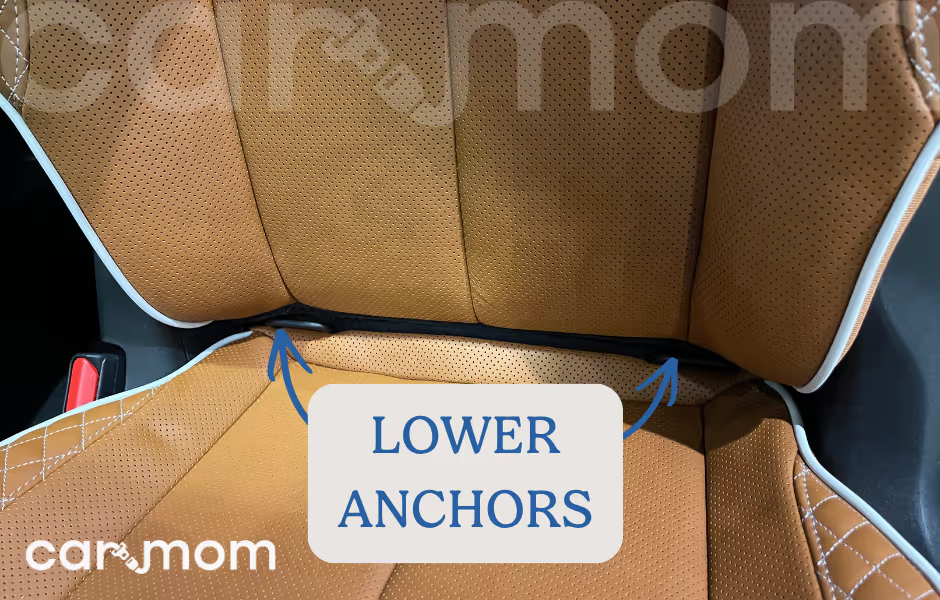
Lower Anchors: These secure the base of the car seat to your vehicle using connectors on either side of the seat crease. They’re used for both rear-facing and forward-facing installations.
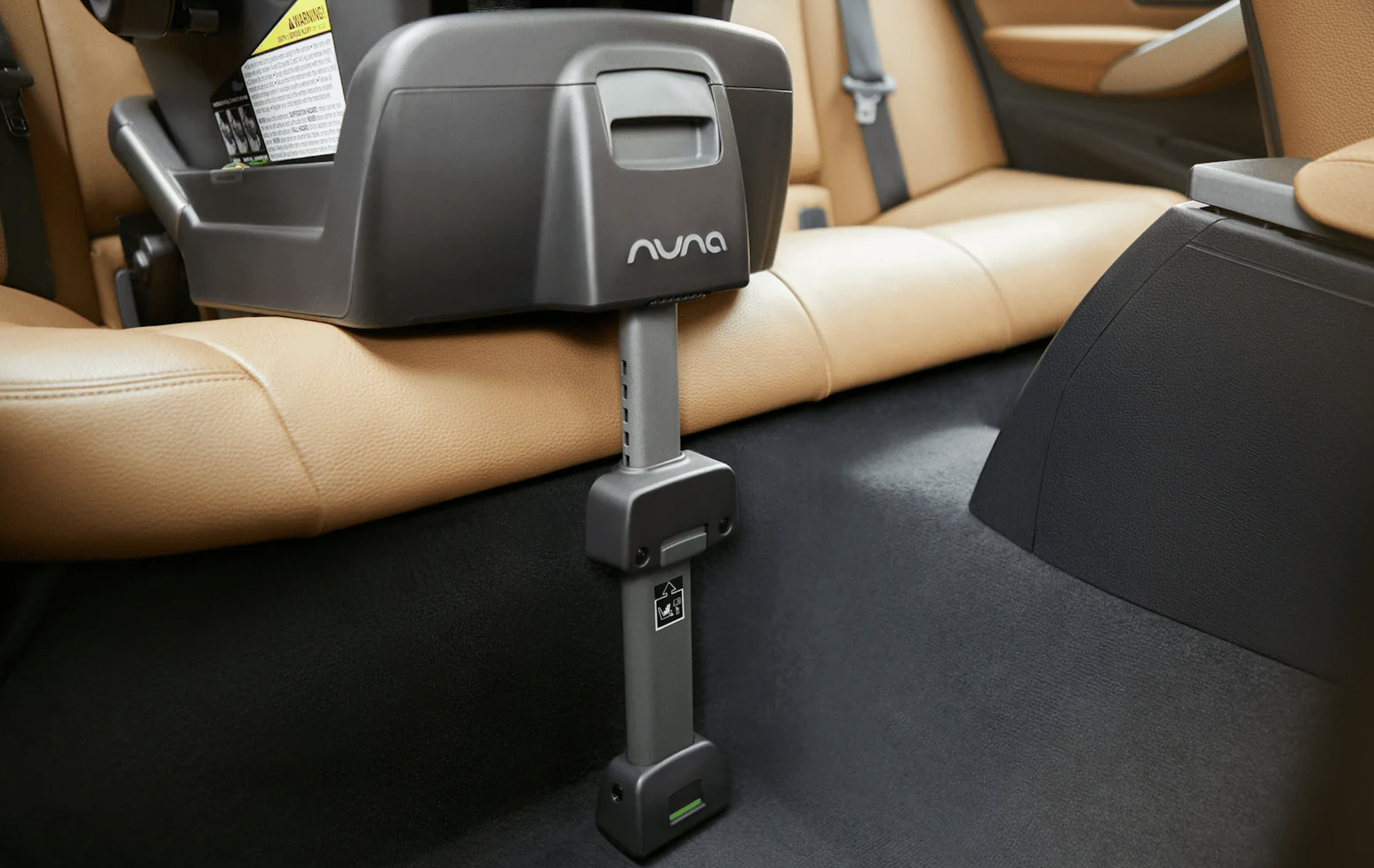
Tether Anchors: This secures the top of a forward-facing car seat to prevent tipping forward during a crash.
One key rule: You should never use both lower anchors and a seat belt at the same time unless your car seat manual explicitly allows it. Typically, you’ll use either lower anchors or a seat belt for securing the base, but always use a tether anchor with forward-facing seats.
Common Mistakes Parents Make With Tether Anchors (And How to Avoid Them)
Even with good intentions, mistakes happen (and here are some common ones I see and how to fix them!):
- Skipping The Tether Strap Entirely: Many parents don’t realize how critical tethers are for a safe forward-facing install.
- Using Cargo Hooks Instead Of Tether Anchors: Some parents mistakenly attach tethers to cargo hooks or other non-approved points in their vehicle. Always check for that anchor symbol!
- Loose Straps: A loose tether won’t provide proper protection, tighten it until there’s no slack left in the strap.
Understanding Tether Anchors Is Vital To Correct Car Seat Installation
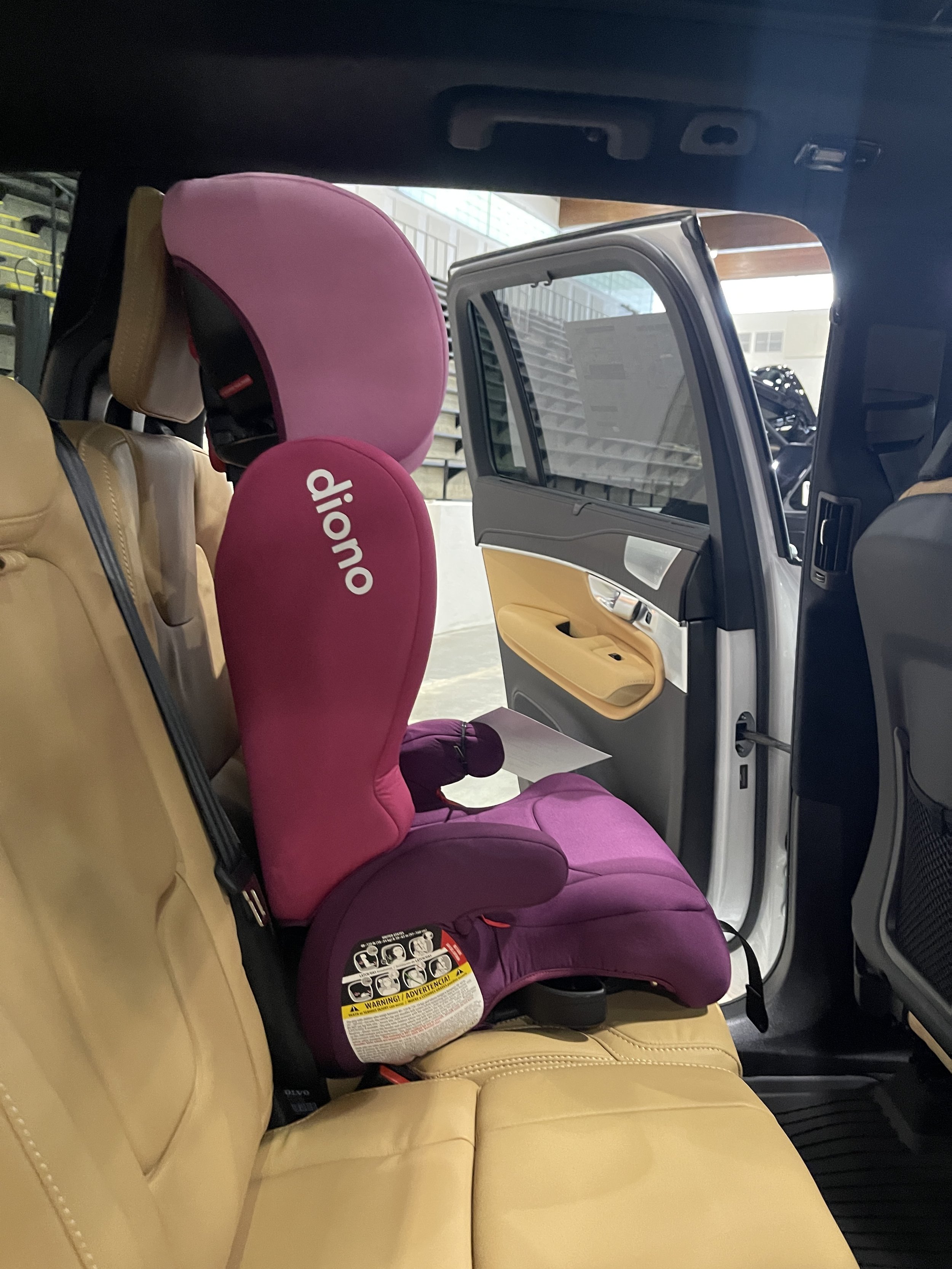
Tether anchors might seem like just another detail in car seat installation, but they play a huge role in keeping your child safe during every ride. While they’re most commonly used with forward-facing car seats, there are cases where they can be used with rear-facing or booster seats as well, so always check your manuals!
By reducing head movement and securing your child’s car seat properly, tethers can help prevent serious injuries in crashes. Take an extra minute during installation to locate those tether anchors and tighten that strap—it’s worth every second.
Related Car Seats
.jpg)

Relevant Articles







Reach out & let’s get started
Whether you're comparing models, prepping for the dealership, or looking for car seat recommendations, we’re here to help.